Making Buses and Trains Free Across Brazil Would Cost $17 Billion a Year, Studies Show
Brazil · Public Policy
Key Facts
—Annual price tag Ending fares on all Brazil’s buses and trains would cost between R$90 billion (about US$17.7 billion) and R$109 billion (about US$21.5 billion) per year, roughly $17 to $20 billion, depending on service expansion.
—Who foots the bill Proposals center on a new monthly employer levy of about R$250 per formal employee, which would exempt most micro and small businesses from paying.
—Budget shock for big cities In São Paulo, fare-free transit could consume up to 20% of the municipal budget without dedicated new funding, squeezing out other essential investments.
—Economic upside Researchers estimate free transit in state capitals could inject up to R$60 billion (about US$11.8 billion) a year into the economy through higher retail turnover and household savings.
—Political momentum Surveys show 81% of Brazilians support the idea, and President Lula’s government is studying a ‘SUS do Transporte’ model for potential implementation.
Making all public transit free nationwide in Brazil would cost about R$100 billion (roughly $17 billion) per year, according to new federal government and industry estimates that have intensified a national debate over feasibility and funding.
What a National Fare-Free System Actually Costs
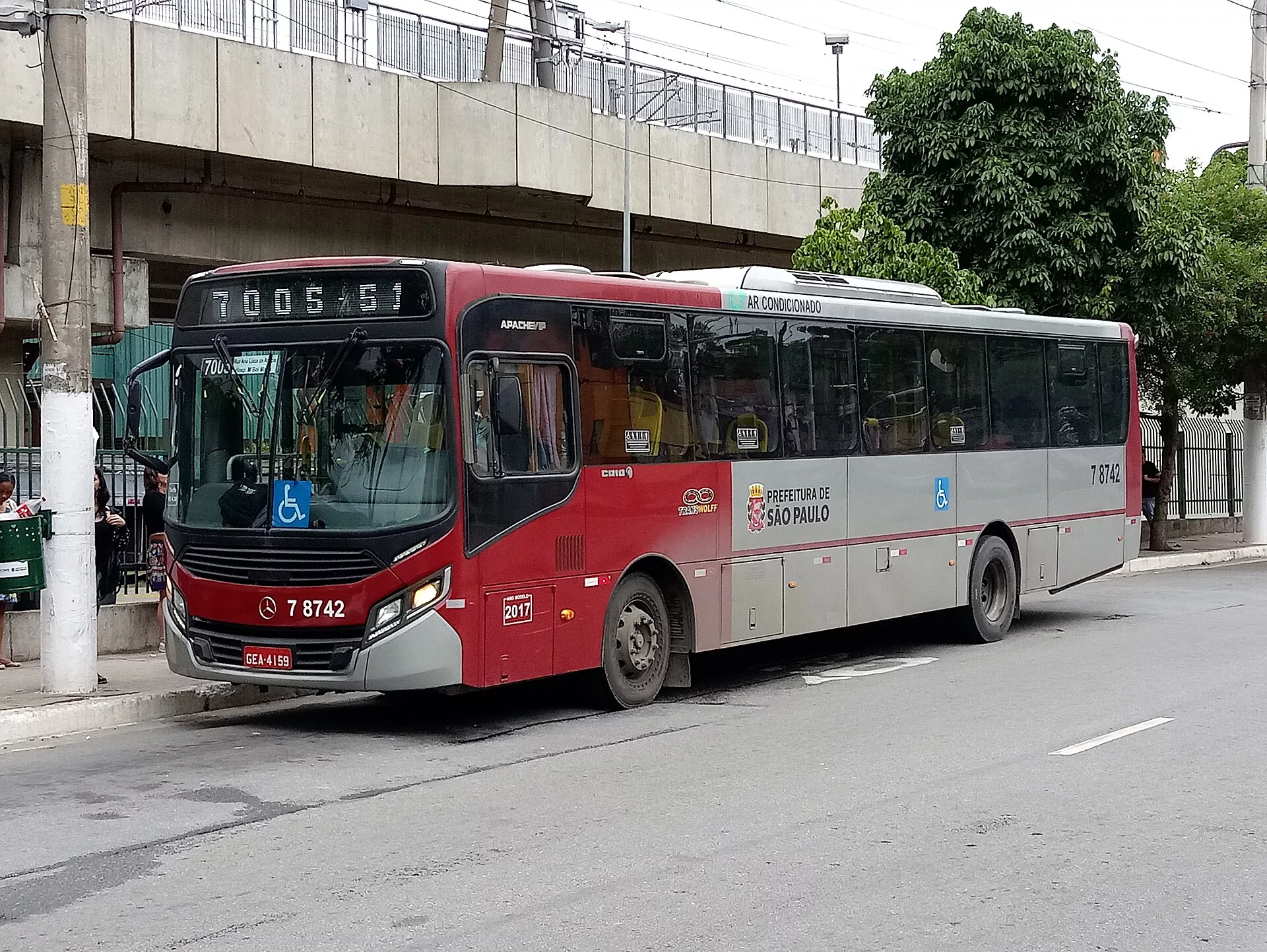
Brazil’s public bus network currently costs about R$65 billion a year to run, according to the National Association of Urban Transport Companies (NTU). Making it completely free would push the bill significantly higher. A multi-university study called “Caminhos para a Tarifa Zero” calculates that eliminating fares in all 706 cities with more than 50,000 residents would cost about R$78 billion (about US$15.4 billion) per year for buses alone, a 20% increase driven by higher demand.
When metro, train and light rail systems are added, the estimate climbs to between R$90 billion (about US$17.7 billion) and R$93 billion (about US$18.3 billion). The NTU’s progressive universalization scenario, which includes at least a 20% increase in fleet size to absorb new riders, projects an annual cost of roughly R$108.9 billion (about US$21.4 billion). For context, the cost of traffic accidents in Brazil is estimated at R$136 billion (about US$26.8 billion) per year, a figure advocates use to argue the net benefit is worth the price.
Who Would Pay: Employer Levies and Tax Adjustments
The most prominent funding proposal rests on a monthly per-employee contribution from public and private establishments. The “Caminhos para a Tarifa Zero” study suggests a fixed charge of about R$250 per formal employee per month, exempting businesses with up to nine workers (starting from the 10th), which would exclude about 83% of companies. This model would generate roughly R$80 billion (about US$15.8 billion) per year, covering the core bus network.
Alternative funding schemes are also on the table. A 2023 congressional study proposed a fixed employer contribution of R$220 (about US$45) per formal employee. The Inesc institute suggests using existing taxes rather than new ones, combining small increases in fuel taxes, IPVA vehicle tax, IPTU urban property tax and employer payroll contributions to build a R$70.8 billion (about US$13.9 billion) annual fund. Media reports indicate the Finance Ministry is evaluating a new levy of R$213.58 (about US$40) per worker on companies with more than 10 employees.
The Big-City Budget Crunch
Cost burdens vary dramatically by municipality size. In small towns, fare-free transit typically consumes up to 3% of the local budget. In cities with more than one million residents, that figure jumps to 5% or more. São Paulo illustrates the extreme case: city-commissioned studies estimate full Tarifa Zero would cost between R$15.9 billion (about US$3.1 billion) and R$21.7 billion (about US$4.3 billion) per year, potentially eating up 18% to 25% of the city’s net current revenue.
Industry analysts warn that without new dedicated revenue streams, mega-cities could lose their capacity to invest in infrastructure. A fare-free mandate consuming 15% or more of a municipal budget would crowd out spending on roads, schools and health services. By contrast, smaller towns have sometimes found free transit cheaper to run than fare-charging systems, as in Vargem Grande Paulista, where eliminating collection costs made the model sustainable.
Why This Matters for Business and Daily Life
The economic ripple effects are a central part of the policy debate. Researchers from the University of Brasília and the Federal University of Rio de Janeiro estimate that free public transport in Brazil’s state capitals could generate up to R$60.3 billion (about US$11.9 billion) per year in economic impact, with higher retail turnover and local tax receipts. Households would also keep more disposable income, reducing missed medical appointments and other costs tied to transport access.
For international investors and expatriate employers, the proposed employer levy represents a new labor cost that could face resistance during periods of low GDP growth. Business sector pushback is already part of the political calculus. However, proponents argue that better worker mobility reduces absenteeism and broadens the labor pool, benefits not captured in the raw cost figures. About 36.7 million passengers ride Brazil’s buses each day, a voter bloc that helps explain 81% public support for the policy.
Political Reality and What Comes Next
President Luiz Inácio Lula da Silva has directed Finance Minister Fernando Haddad to produce a detailed costing study, with preliminary government work circling a R$100 billion (about US$19.7 billion) annual figure. The proposal is often called the “SUS do Transporte,” a reference to Brazil’s universal public health system. A constitutional amendment known as PEC 25, authored by Deputy Luiza Erundina, would create a legal framework for employer contributions to a national mobility fund.
Despite political momentum, swift national rollout faces steep legal and electoral hurdles. Cost estimates vary so widely—from R$70 billion (about US$13.8 billion) to R$120 billion (about US$23.6 billion)—that consensus remains elusive. Markets have already signaled concern: our reporting has shown that the real weakened and interest-rate futures ticked up after initial government remarks on the plan, a sign investors are watching the fiscal math closely. Critics argue the proposal risks becoming an unfunded mandate that could destabilize municipal budgets, a concern our archive has tracked since São Paulo’s passenger base shrank by 30% and fare revenue eroded. The “Caminhos para a Tarifa Zero” study recommends launching in 2026 with an experimental phase focused on data collection and technical adjustments. Even partial measures carry a price tag: free bus rides on Sundays alone would cost about R$7 billion (about US$1.4 billion) a year, according to NTU models.
More: Brazil news in English, every day from The Rio Times.
Frequently Asked Questions
How much would nationwide free transit cost Brazil?
Estimates range from R$78 billion (about US$15.4 billion) to R$109 billion (about US$21.5 billion) per year, roughly $13 billion to $19 billion, depending on whether rail systems are included and how much service expands. The federal government’s working figure is approximately R$100 billion (about US$19.7 billion) per year.
Would taxes need to go up to pay for free buses?
Most proposals avoid broad tax increases. The leading idea is a monthly employer levy of about R$250 (about US$50) per formal worker, exempting small businesses. Alternatives include higher fuel taxes, vehicle property taxes and urban tolls, all targeted at funding a dedicated national fund.
Could cities afford this on their own?
Most cannot, especially large ones. São Paulo would need up to 20% of its annual budget for full free transit, an impossible figure without federal cost-sharing. Small municipalities often manage better because their absolute costs are low relative to budgets.
Sources: Bora Investir: Tarifa Zero no Transporte Público Custaria R$78 bi (about US$15.4 billion) por Ano, JC UOL: Tarifa Zero Perde Ritmo nas Grandes Cidades, Mix Vale: Governo Federal Avança em Estudo para Tarifa Zero, Congresso em Foco: Gratuidade de Ônibus Cresce Pelo Brasil, Agência Brasil: Transporte Público Coletivo Gratuito é Possível, Veja: Governo Diz que Estuda Oferecer Transporte Gratuito
Connected Coverage
This article was produced by The Rio Times’ automated newsroom system. How we use AI · Report an error · Editorial responsibility: Matthias Camenzind, Editor-in-Chief
Brazil runoff, Sunday, October 25: Brazil runoff: date, poll closing times and when results start. Latest: Brazil runoff polls, Flávio 51%, Lula 49%.