IPSA 10,706 ▲ 0.29% MERVAL 3,096,068 ▼ 0.46% COLCAP 2,261.53 ▼ 0.42% BVL PERÚ 55,499.07 ▲ 1.21% USD/BRL5.18▲ 0.08% USD/CLP920.11▼ 0.14% USD/UYU40.13▲ 1.17% USD/BOB6.86▲ 1.44% USD/DOP58.37▲ 0.80% USD/CRC451.66▲ 2.13% USD/NIO36.62▲ 0.31% USD/VES620.66▲ 5.79% USD/PAB1.00— 0.00% USD/BZD2.00— 0.00% USD/JMD155.98▲ 0.05% BRENT 73.23 ▼ 2.70% WTI 69.72 ▼ 3.06% IRON ORE 161.91 — — COPPER 6.18 ▲ 1.79% GOLD 4,068 ▲ 0.92% SILVER 58.79 ▲ 0.76% SOY 1,152 ▲ 2.13% CORN 442.50 ▲ 6.69% WHEAT 591.50 ▲ 0.08% SUGAR 14.30 ▲ 5.54% ORANGE JUICE 141.85 ▲ 1.98% COTTON 75.87 ▲ 3.37% COCOA 5,247 ▲ 1.71% BEEF 247.23 ▼ 3.43% LITHIUM 78.45 ▼ 0.58% VALE3 78.66 ▲ 1.20% ITUB4 41.70 ▲ 1.78% BBDC4 17.62 ▼ 0.17% ABEV3 16.39 ▲ 0.06% WEGE3 46.50 ▼ 0.24% PRIO3 53.94 ▼ 0.30% CSAN3 3.71 ▲ 0.27% PCAR3 2.26 ▲ 7.11% PSSA3 52.60 ▲ 0.42% CVCB3 1.42 — 0.00% POSI3 3.93 ▼ 0.25% SLCE3 13.30 ▼ 0.52% RANI3 7.77 ▼ 0.26% CMIN3 4.24 ▼ 0.70% USIM5 8.50 ▼ 2.07% GGBR4 21.44 ▲ 0.28% ENEV3 26.12 ▲ 0.69% NEOE3 33.80 — 0.00% CPFE3 45.12 ▲ 1.69% CMIG4 10.79 ▲ 0.65% LREN3 14.52 ▲ 0.14% VIVT3 34.57 ▲ 0.93% RAIL3 13.45 ▲ 3.62% KLABIN 17.05 ▲ 1.19% UGPA3 25.25 ▼ 0.28% VBBR3 29.17 ▲ 0.21% BBSE3 38.87 ▲ 0.49% BPAC11 54.30 ▲ 1.19% CURY3 34.71 ▼ 0.72% AERI3 2.07 ▲ 0.49% VIVARA 23.08 ▲ 1.90% COMPASS 25.54 ▲ 2.57% VAMOS 2.82 ▲ 1.81% SANB11 26.20 ▼ 0.68% ASAI3 8.61 ▲ 4.11% WALMEX 51.12 ▼ 0.76% GMEXICO 202.99 ▲ 2.97% FEMSA 219.34 ▲ 1.18% BIMBO 56.38 ▲ 2.12% GAP 444.19 ▲ 2.34% ASUR 309.61 ▲ 2.41% KOF 185.20 ▲ 0.77% GRUMA 282.99 ▲ 0.50% SQM-B 67,050 ▼ 3.53% COPEC 5,802 ▼ 0.48% BSANTANDER 73.50 ▲ 2.07% ENELAM 81.51 ▼ 0.31% BANCO CHILE 177.61 ▲ 1.48% YPF 70,750 ▼ 0.07% GGAL 7,605 ▼ 0.26% TXAR 675.00 ▲ 1.28% ALUAR 990.00 ▼ 3.60% MIRGOR 16,050 ▼ 0.16% GRUPO AVAL 5.10 ▼ 1.35% CREDICORP 380.41 ▲ 1.04% SOUTHERN COPPER 174.73 ▲ 1.68% NUBANK 12.46 — 0.00% PETROBRAS ADR 16.52 ▲ 0.43% AMBEV ADR 3.14 ▲ 0.32% GERDAU 4.14 ▲ 1.22% LATAM ADR 56.90 ▼ 0.26% ETH 1,544 ▼ 1.33% BNB 562.96 ▲ 0.56% ADA 0.14 ▲ 0.05% LTC 40.92 ▲ 0.16% TRX 0.32 ▼ 0.52% SELIC 14.25% USD/MXN17.51— 0.00% USD/COP3,432▼ 0.31% USD/PEN3.41▼ 0.40% USD/ARS1,477▼ 0.15% USD/PYG6,088▲ 1.58% USD/GTQ7.62▲ 2.07% USD/HNL26.69▲ 1.22% EUR/BRL5.91▲ 0.04% PETR4 38.45 ▲ 0.42% BBAS3 20.05 ▲ 1.62% B3SA3 14.61 ▼ 2.79% SUZB3 42.00 ▼ 0.47% RENT3 42.35 ▲ 1.41% AZZA3 19.80 ▲ 2.54% RAIZ4 0.42 — 0.00% GMAT3 3.83 ▲ 0.26% NATU3 7.82 ▲ 0.13% BRKM5 6.82 ▼ 10.50% CSNA3 4.82 ▼ 4.74% EQTL3 39.05 ▲ 2.76% EMBRAER 81.10 ▲ 1.40% EMBRAER ADR 62.80 ▲ 1.83% JBS 12.03 ▼ 1.31% JBS BDR 62.13 ▼ 2.14% MBRF3 16.65 ▲ 3.16% MBRFY 3.13 ▲ 2.62% RAIA DROGASIL 17.20 ▲ 0.70% RDOR3 34.55 ▲ 1.32% HAPV3 10.12 ▼ 0.49% FLRY3 15.45 ▲ 1.91% SMTO3 14.71 ▼ 0.07% PAGSEGURO 8.74 ▼ 0.34% TECNOGLASS 44.07 ▼ 2.74% INTER 5.24 ▼ 0.76% SBSP3 28.90 ▲ 1.51% CEMEX 21.68 ▲ 2.80% GFNORTE 185.97 ▲ 2.02% TELEVISA 9.61 ▼ 1.33% AMX 23.05 ▲ 0.66% OMA 243.69 ▲ 3.06% KIMBER 38.24 ▲ 2.63% FALABELLA 5,890 ▲ 5.94% CENCOSUD 2,123 ▲ 0.57% CMPC 1,040 ▲ 0.42% LATAM AIR 26.12 ▲ 0.04% PAMPA 4,933 ▼ 0.70% TGS 9,120 ▼ 0.11% CEPU 2,223 ▲ 0.77% COME 41.02 ▼ 2.38% LOMA NEGRA 3,560 ▼ 0.49% BYMA 300.00 ▼ 2.60% TELECOM ARG 3,950 ▼ 0.06% ECOPETROL 14.45 ▼ 0.96% BANCOLOMBIA 78.89 ▼ 0.49% BUENAVENTURA 30.71 ▲ 3.23% MERCADOLIBRE 1,619 ▼ 2.43% XP 15.78 ▲ 1.41% STONE 10.79 ▼ 0.28% GLOBANT 27.73 ▼ 4.77% GAP AIRPORT 252.64 ▲ 2.87% OMA AIRPORT 112.01 ▲ 4.05% AMX ADR 26.30 ▲ 1.19% FEMSA ADR 125.37 ▲ 1.86% CEMEX ADR 12.38 ▲ 3.00% VALE ADR 15.12 ▲ 1.89% ITAU ADR 8.03 ▲ 1.90% SANTANDER BR 5.16 ▲ 0.39% CSN 0.96 ▼ 2.48% BTC 59,333 ▼ 0.65% SOL 68.47 ▲ 1.33% XRP 1.02 ▼ 1.81% DOGE 0.07 ▼ 1.77% AVAX 6.12 ▼ 1.64% LINK 7.14 ▼ 1.23% DOT 0.83 ▼ 1.63% BCH 192.95 ▲ 0.17% XLM 0.17 ▼ 2.38% HBAR 0.07 ▼ 0.89% NEAR 1.79 ▼ 2.36% ATOM 1.60 ▼ 0.60% AAVE 84.95 ▲ 3.28% IPSA 10,706 ▲ 0.29% MERVAL 3,096,068 ▼ 0.46% COLCAP 2,261.53 ▼ 0.42% BVL PERÚ 55,499.07 ▲ 1.21% USD/BRL 5.18 ▲ 0.08% USD/CLP 920.11 ▼ 0.14% USD/UYU 40.13 ▲ 1.17% USD/BOB 6.86 ▲ 1.44% USD/DOP 58.37 ▲ 0.80% USD/CRC 451.66 ▲ 2.13% USD/NIO 36.62 ▲ 0.31% USD/VES 620.66 ▲ 5.79% USD/PAB 1.00 — 0.00% USD/BZD 2.00 — 0.00% USD/JMD 155.98 ▲ 0.05% BRENT 73.23 ▼ 2.70% WTI 69.72 ▼ 3.06% IRON ORE 161.91 — — COPPER 6.18 ▲ 1.79% GOLD 4,068 ▲ 0.92% SILVER 58.79 ▲ 0.76% SOY 1,152 ▲ 2.13% CORN 442.50 ▲ 6.69% WHEAT 591.50 ▲ 0.08% SUGAR 14.30 ▲ 5.54% ORANGE JUICE 141.85 ▲ 1.98% COTTON 75.87 ▲ 3.37% COCOA 5,247 ▲ 1.71% BEEF 247.23 ▼ 3.43% LITHIUM 78.45 ▼ 0.58% VALE3 78.66 ▲ 1.20% ITUB4 41.70 ▲ 1.78% BBDC4 17.62 ▼ 0.17% ABEV3 16.39 ▲ 0.06% WEGE3 46.50 ▼ 0.24% PRIO3 53.94 ▼ 0.30% CSAN3 3.71 ▲ 0.27% PCAR3 2.26 ▲ 7.11% PSSA3 52.60 ▲ 0.42% CVCB3 1.42 — 0.00% POSI3 3.93 ▼ 0.25% SLCE3 13.30 ▼ 0.52% RANI3 7.77 ▼ 0.26% CMIN3 4.24 ▼ 0.70% USIM5 8.50 ▼ 2.07% GGBR4 21.44 ▲ 0.28% ENEV3 26.12 ▲ 0.69% NEOE3 33.80 — 0.00% CPFE3 45.12 ▲ 1.69% CMIG4 10.79 ▲ 0.65% LREN3 14.52 ▲ 0.14% VIVT3 34.57 ▲ 0.93% RAIL3 13.45 ▲ 3.62% KLABIN 17.05 ▲ 1.19% UGPA3 25.25 ▼ 0.28% VBBR3 29.17 ▲ 0.21% BBSE3 38.87 ▲ 0.49% BPAC11 54.30 ▲ 1.19% CURY3 34.71 ▼ 0.72% AERI3 2.07 ▲ 0.49% VIVARA 23.08 ▲ 1.90% COMPASS 25.54 ▲ 2.57% VAMOS 2.82 ▲ 1.81% SANB11 26.20 ▼ 0.68% ASAI3 8.61 ▲ 4.11% WALMEX 51.12 ▼ 0.76% GMEXICO 202.99 ▲ 2.97% FEMSA 219.34 ▲ 1.18% BIMBO 56.38 ▲ 2.12% GAP 444.19 ▲ 2.34% ASUR 309.61 ▲ 2.41% KOF 185.20 ▲ 0.77% GRUMA 282.99 ▲ 0.50% SQM-B 67,050 ▼ 3.53% COPEC 5,802 ▼ 0.48% BSANTANDER 73.50 ▲ 2.07% ENELAM 81.51 ▼ 0.31% BANCO CHILE 177.61 ▲ 1.48% YPF 70,750 ▼ 0.07% GGAL 7,605 ▼ 0.26% TXAR 675.00 ▲ 1.28% ALUAR 990.00 ▼ 3.60% MIRGOR 16,050 ▼ 0.16% GRUPO AVAL 5.10 ▼ 1.35% CREDICORP 380.41 ▲ 1.04% SOUTHERN COPPER 174.73 ▲ 1.68% NUBANK 12.46 — 0.00% PETROBRAS ADR 16.52 ▲ 0.43% AMBEV ADR 3.14 ▲ 0.32% GERDAU 4.14 ▲ 1.22% LATAM ADR 56.90 ▼ 0.26% ETH 1,544 ▼ 1.33% BNB 562.96 ▲ 0.56% ADA 0.14 ▲ 0.05% LTC 40.92 ▲ 0.16% TRX 0.32 ▼ 0.52% SELIC 14.25% USD/MXN 17.51 ▲ 0.00% USD/COP 3,432 ▼ 0.31% USD/PEN 3.41 ▼ 0.40% USD/ARS 1,477 ▼ 0.15% USD/PYG 6,088 ▲ 1.58% USD/GTQ 7.62 ▲ 2.07% USD/HNL 26.69 ▲ 1.22% EUR/BRL 5.91 ▲ 0.02% PETR4 38.45 ▲ 0.42% BBAS3 20.05 ▲ 1.62% B3SA3 14.61 ▼ 2.79% SUZB3 42.00 ▼ 0.47% RENT3 42.35 ▲ 1.41% AZZA3 19.80 ▲ 2.54% RAIZ4 0.42 — 0.00% GMAT3 3.83 ▲ 0.26% NATU3 7.82 ▲ 0.13% BRKM5 6.82 ▼ 10.50% CSNA3 4.82 ▼ 4.74% EQTL3 39.05 ▲ 2.76% EMBRAER 81.10 ▲ 1.40% EMBRAER ADR 62.80 ▲ 1.83% JBS 12.03 ▼ 1.31% JBS BDR 62.13 ▼ 2.14% MBRF3 16.65 ▲ 3.16% MBRFY 3.13 ▲ 2.62% RAIA DROGASIL 17.20 ▲ 0.70% RDOR3 34.55 ▲ 1.32% HAPV3 10.12 ▼ 0.49% FLRY3 15.45 ▲ 1.91% SMTO3 14.71 ▼ 0.07% PAGSEGURO 8.74 ▼ 0.34% TECNOGLASS 44.07 ▼ 2.74% INTER 5.24 ▼ 0.76% SBSP3 28.90 ▲ 1.51% CEMEX 21.68 ▲ 2.80% GFNORTE 185.97 ▲ 2.02% TELEVISA 9.61 ▼ 1.33% AMX 23.05 ▲ 0.66% OMA 243.69 ▲ 3.06% KIMBER 38.24 ▲ 2.63% FALABELLA 5,890 ▲ 5.94% CENCOSUD 2,123 ▲ 0.57% CMPC 1,040 ▲ 0.42% LATAM AIR 26.12 ▲ 0.04% PAMPA 4,933 ▼ 0.70% TGS 9,120 ▼ 0.11% CEPU 2,223 ▲ 0.77% COME 41.02 ▼ 2.38% LOMA NEGRA 3,560 ▼ 0.49% BYMA 300.00 ▼ 2.60% TELECOM ARG 3,950 ▼ 0.06% ECOPETROL 14.45 ▼ 0.96% BANCOLOMBIA 78.89 ▼ 0.49% BUENAVENTURA 30.71 ▲ 3.23% MERCADOLIBRE 1,619 ▼ 2.43% XP 15.78 ▲ 1.41% STONE 10.79 ▼ 0.28% GLOBANT 27.73 ▼ 4.77% GAP AIRPORT 252.64 ▲ 2.87% OMA AIRPORT 112.01 ▲ 4.05% AMX ADR 26.30 ▲ 1.19% FEMSA ADR 125.37 ▲ 1.86% CEMEX ADR 12.38 ▲ 3.00% VALE ADR 15.12 ▲ 1.89% ITAU ADR 8.03 ▲ 1.90% SANTANDER BR 5.16 ▲ 0.39% CSN 0.96 ▼ 2.48% BTC 59,333 ▼ 0.65% SOL 68.47 ▲ 1.33% XRP 1.02 ▼ 1.81% DOGE 0.07 ▼ 1.77% AVAX 6.12 ▼ 1.64% LINK 7.14 ▼ 1.23% DOT 0.83 ▼ 1.63% BCH 192.95 ▲ 0.17% XLM 0.17 ▼ 2.38% HBAR 0.07 ▼ 0.89% NEAR 1.79 ▼ 2.36% ATOM 1.60 ▼ 0.60% AAVE 84.95 ▲ 3.28%
since 2009
Friday, June 26, 2026

Brazil Environment

Why So Many Latin American Schools Sit Near Toxic Sites
By · June 26, 2026 · 7 min read

Daily Brief

The morning intel from across Latin America. Free.

By subscribing you agree to our privacy policy. We never share your email.

Latin America · Environment

Key Facts

The map. A new Center for Global Development paper overlays toxic-site data on millions of schools across 17 developing countries.
The scale. More than 250,000 schools, about one in ten, sit within 5 km of a known polluted site — over 43 million pupils in all.
The capitals. In Latin America the exposure is urban: Bogotá 55%, Buenos Aires 46% and Lima 38% of schools sit near a documented site.
The exception. Mexico City is a near-zero outlier — not because it is clean, but because its catalogued sites lie outside the capital.
The twist. Brazil’s national list shows just 155 sites; São Paulo state alone records 1,270 — a measure of who counts, not who is dirtiest.
The undercount. The global TSIP database may capture only about one site in eight, so every figure here is a floor.
The caveat. The study measures distance only, not actual exposure or harm to any child.

A new map of toxic land across the developing world lands hard on Latin America: from Bogotá to Lima, a large share of city schools sit within a few kilometres of documented contaminated sites — and the one big capital that looks clean, Mexico City, mostly looks that way because of where the record-keeping stops.

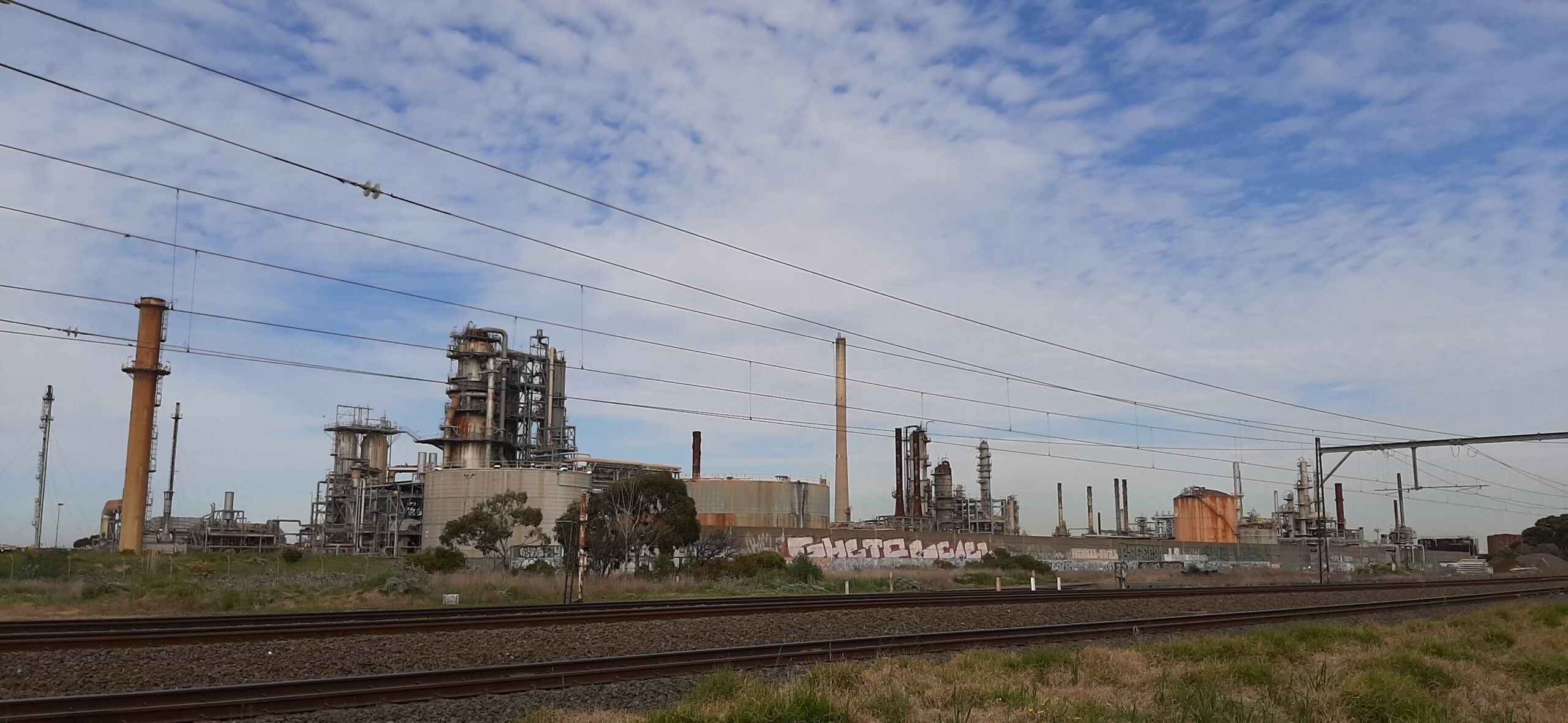
An industrial refinery complex, illustrating the kind of contaminated industrial land the study maps near schools
Industrial land of the kind mapped in the study. (Photo internet reproduction)
RT
Ask Rio Times
17 years of Latin America reporting, on demand.
Open the full Ask Rio Times →

What the new map shows

The research comes from the Center for Global Development, a Washington and London think tank, and its education researcher Lee Crawfurd. In a working paper titled Schools in the Shadow of Toxic Sites, he overlaid maps of documented polluted land onto the locations of millions of schools.

The sites are tainted by lead, mercury, arsenic and pesticides. The paper covers 17 low- and middle-income countries.

The headline is stark. More than 250,000 schools, roughly one in ten, sit within five kilometres of a documented contaminated site.

Because urban schools tend to be larger, the pupil count is worse still. Across the seven countries with enrolment data, more than 12 percent of children — over 43 million of them — attend a school that close to a known site.

In the Philippines, just 9 percent of schools are near a site, yet those schools hold 27 percent of the country’s pupils. Crawfurd has also published an interactive map plotting every school and site.

Latin America’s capitals are heavily exposed

The clearest pattern is urban. In nine of the ten capitals studied, the share of schools near a contaminated site runs well above the national average.

The extremes sit in Asia and Africa — New Delhi at 91 percent, Metro Manila at 86 percent, Nairobi at 72 percent. But Latin America’s big capitals are squarely on the same list.

In Bogotá, 55 percent of schools fall within five kilometres of a documented site. In Buenos Aires it is 46 percent, and in Lima 38 percent.

For a region that pictures toxic land as a problem of distant mining towns, that relocates it to the heart of the cities. It is where most children actually live and study.

The striking exception is Mexico City, where almost no school sits inside the band. That is not because the capital is clean — Mexico’s catalogued sites simply cluster elsewhere, in the industrial corridors of Estado de México, Hidalgo and the Bajío.

It is the first hint of the study’s deeper lesson. These maps trace where records exist as much as where pollution does.

The Brazil twist: counting, not contamination

Nowhere is that lesson clearer than in Brazil. The global inventory behind the study is the Toxic Sites Identification Program, or TSIP, the best worldwide database of contaminated land in developing countries.

By the author’s own account, it is far from complete. In his summary of the findings, Crawfurd notes that TSIP lists only 155 contaminated sites for the whole of Brazil.

The state of São Paulo, by contrast, keeps its own register through its environmental agency CETESB. That single state records 1,270 sites — roughly eight times what the global database holds for the entire country.

CETESB has published this kind of monitoring data since 2002, a discipline few other Brazilian states match. The natural misreading is that São Paulo is unusually dirty.

The truth is the reverse: São Paulo counts, and most of Brazil does not. One Ghanaian study cited in the paper estimates TSIP captures only about one site in eight.

So the blanks on the map are not clean ground. They are missing records, and Latin America’s real exposure is almost certainly higher than any figure here suggests.

Who is most exposed, and the private-school surprise

The map also overturns a rich-world assumption. In wealthy countries pollution falls hardest on poorer pupils, but across the developing world the study finds the opposite.

The reason is that contamination concentrates in the cities where richer families live. That also explains the most counter-intuitive result.

In all eight countries with the data, including Brazil, private schools are more likely than public ones to sit near a polluted site. In Ghana the gap is 41 percent against 18 percent.

Account for urban location, though, and more than half of that gap disappears. Industry, wealth and private schooling simply share the same city centres.

What the study does not claim

The caveat matters as much as the numbers. Crawfurd is explicit that the work measures proximity, not exposure or health impacts.

Being near a listed site is not proof any child has been harmed. Five kilometres is also a wide radius, and the paper notes the most serious effects tend to occur within a few hundred metres.

The findings flag schools that might warrant a closer environmental look. They are not confirmed cases of damage.

Why a foreign reader should care

For an investor or executive weighing the region, the lesson is about transparency, not panic. A country that documents its environmental problems well can look worse on paper than one that simply does not measure.

That is a trap when comparing risk across Latin American markets. For families, the practical takeaway is calmer than the headline.

The data points to where more local testing would be wise. Crawfurd suggests modest steps — basic hand hygiene and educating students and parents — rather than alarm about any single school.

He also notes that schools can push for change. A teachers’ union helped force the lead-poisoning crisis in Flint, Michigan into the open, and unions across Latin America could do the same.

Frequently asked questions

Which capital cities have the most schools near toxic sites?

Proximity is highest in big capitals like New Delhi (91%), Metro Manila (86%) and Nairobi (72%). In Latin America, 55 percent of schools in Bogotá, 46 percent in Buenos Aires and 38 percent in Lima sit near a documented site, while Mexico City is the exception with almost none.

What did the study actually measure?

It mapped how many schools sit within five kilometres of a documented polluted site across 17 developing countries. The Center for Global Development stresses it measured distance only, not exposure, and that patchy records make the totals a floor.

Why does São Paulo show so many more sites than the rest of Brazil?

Because São Paulo’s agency CETESB has catalogued contaminated land since 2002, while most states publish little. The global TSIP database lists 155 sites for all of Brazil against São Paulo’s 1,270, which the study reads as better record-keeping rather than worse pollution.

Are private schools really more exposed?

In all eight countries with data, including Brazil, private schools were more likely to sit near a polluted site — in Ghana, 41 percent versus 18 percent for public schools. Most of the gap reflects industry, wealth and private schools sharing the same urban areas.

Connected Coverage

São Paulo Coastline Faces Record Number of Polluted Beaches

International Schools in Brazil for Expat Children 2026

Read More from The Rio Times

The Rio Times · Power Map
See who really holds power in Latin America
Click to open the Power Map

Rotate for Best Experience

This report is optimized for landscape viewing. Rotate your phone for the full experience.