IBOV 175,664.62 ▲ 0.30% IPSA 11,445.90 ▼ 0.22% IPC MEX 65,484.32 ▼ 0.53% MERVAL 2,979,472 ▼ 0.72% COLCAP 2,457.87 ▼ 1.28% BVL PERÚ 60,779.49 ▼ 1.40% USD/BRL5.21▲ 0.39% USD/MXN17.03▲ 0.26% USD/CLP930.58— 0.00% USD/COP3,202▲ 2.39% USD/PEN3.35▼ 0.07% USD/ARS1,512— 0.00% USD/UYU40.27▲ 1.50% USD/PYG5,900▲ 0.50% USD/BOB11.78▲ 3.59% USD/DOP58.61▲ 0.96% USD/CRC446.65▲ 0.98% USD/GTQ7.62▲ 2.25% USD/HNL26.84▲ 0.40% USD/NIO36.62▼ 0.02% USD/VES789.69▼ 0.13% USD/PAB1.00— 0.00% USD/BZD2.00— 0.00% USD/JMD 157.28 — 0.00% USD/TTD6.72▲ 0.77% EUR/BRL6.01▲ 0.17% BRENT 88.88 ▼ 0.03% WTI 83.11 ▼ 0.11% IRON ORE 161.91 — — COPPER 6.61 ▲ 0.03% GOLD 4,461 ▲ 1.78% SILVER 65.59 ▲ 1.26% SOY 1,184 ▲ 3.20% CORN 480.50 ▲ 10.02% WHEAT 655.00 ▲ 3.93% COFFEE 317.25 ▼ 5.51% SUGAR 16.43 ▼ 1.79% ORANGE JUICE 138.55 ▼ 0.47% COTTON 85.03 ▲ 2.33% COCOA 5,719 ▲ 3.18% BEEF 223.60 ▼ 3.93% CATTLE 339.10 ▼ 3.16% LITHIUM 75.20 ▲ 1.47% PETR4 41.64 ▼ 0.05% VALE3 72.97 ▲ 0.83% ITUB4 38.60 ▼ 1.03% BBDC4 16.85 ▲ 0.36% ABEV3 14.89 ▼ 0.80% BBAS3 19.37 ▲ 0.47% B3SA3 14.26 ▼ 0.21% WEGE3 47.59 ▲ 0.49% PRIO3 59.14 ▼ 0.19% SUZB3 41.33 ▲ 2.35% RENT3 34.68 ▼ 0.09% AZZA3 15.89 ▼ 2.63% CSAN3 3.22 ▼ 1.83% RAIZ4 0.25 — 0.00% PCAR3 2.75 ▼ 0.36% GMAT3 3.65 ▼ 1.08% PSSA3 48.13 ▼ 0.54% CVCB3 1.33 ▼ 2.92% POSI3 3.36 ▲ 2.44% SLCE3 13.34 ▲ 0.30% NATU3 8.14 ▼ 0.73% IBOV 175,664.62 ▲ 0.30% IPSA 11,445.90 ▼ 0.22% IPC MEX 65,484.32 ▼ 0.53% MERVAL 2,979,472 ▼ 0.72% COLCAP 2,457.87 ▼ 1.28% BVL PERÚ 60,779.49 ▼ 1.40% USD/BRL 5.16 ▲ 0.01% USD/MXN 17.06 ▼ 0.24% USD/CLP 913.98 ▲ 0.04% USD/COP 3,140 ▲ 0.03% USD/PEN 3.36 ▼ 0.66% USD/ARS 1,493 ▲ 0.10% USD/UYU 40.27 ▲ 1.24% USD/PYG 5,939 ▲ 1.68% USD/BOB 11.64 ▼ 0.76% USD/DOP 58.34 ▲ 1.25% USD/CRC 445.92 ▲ 0.89% USD/GTQ 7.62 ▲ 2.21% USD/HNL 26.79 ▲ 1.57% USD/NIO 36.62 ▲ 0.69% USD/VES 762.44 ▼ 0.13% USD/PAB 1.00 — 0.00% USD/BZD 2.00 — 0.00% USD/JMD 157.28 — 0.00% USD/TTD 6.70 ▲ 0.61% EUR/BRL 5.95 ▲ 1.01% BRENT 88.88 ▼ 0.03% WTI 83.11 ▼ 0.11% IRON ORE 161.91 — — COPPER 6.61 ▲ 0.03% GOLD 4,461 ▲ 1.78% SILVER 65.59 ▲ 1.26% SOY 1,184 ▲ 3.20% CORN 480.50 ▲ 10.02% WHEAT 655.00 ▲ 3.93% COFFEE 317.25 ▼ 5.51% SUGAR 16.43 ▼ 1.79% ORANGE JUICE 138.55 ▼ 0.47% COTTON 85.03 ▲ 2.33% COCOA 5,719 ▲ 3.18% BEEF 223.60 ▼ 3.93% CATTLE 339.10 ▼ 3.16% LITHIUM 75.20 ▲ 1.47% PETR4 41.64 ▼ 0.05% VALE3 72.97 ▲ 0.83% ITUB4 38.60 ▼ 1.03% BBDC4 16.85 ▲ 0.36% ABEV3 14.89 ▼ 0.80% BBAS3 19.37 ▲ 0.47% B3SA3 14.26 ▼ 0.21% WEGE3 47.59 ▲ 0.49% PRIO3 59.14 ▼ 0.19% SUZB3 41.33 ▲ 2.35% RENT3 34.68 ▼ 0.09% AZZA3 15.89 ▼ 2.63% CSAN3 3.22 ▼ 1.83% RAIZ4 0.25 — 0.00% PCAR3 2.75 ▼ 0.36% GMAT3 3.65 ▼ 1.08% PSSA3 48.13 ▼ 0.54% CVCB3 1.33 ▼ 2.92% POSI3 3.36 ▲ 2.44% SLCE3 13.34 ▲ 0.30% NATU3 8.14 ▼ 0.73%
since 2009
Sunday, August 30, 2026

Brazil Business - Brazil

Brazilian Real Celebrates 25th Anniversary, Becomes Longest-Lasting Currency

By · July 1, 2019 · 3 min read

Daily Brief

The morning intel from across Latin America. Free.

By subscribing you agree to our privacy policy. We never share your email.

By Xiu Ying

RIO DE JANEIRO, BRAZIL – Twenty-five years ago, Brazil started the battle against hyperinflation. The Real Plan introduced the long-running currency and caused inflation to plummet from 916 percent in 1994 to 22.14 percent the following year, one of the country’s greatest achievements, which radically changed Brazilians’ way of life.

Former Brazilian President Fernando Henrique Cardoso.
Former Brazilian President Fernando Henrique Cardoso. (Photo internet reproduction)
One-stop reference
Company Intelligence
Every listed company in Latin America — financials, ownership and structure for 1,450+ companies across 26 exchanges, in one place.
Browse the directory →
RT
Ask Rio Times
Latin American markets, currencies and companies.
Open the full Ask Rio Times →

In 2019, the Broad Consumer Price Index (IPCA) is expected to reach 3.6 percent. It will be the third consecutive year in which the indicator will be below the target pursued by the Central Bank. In the twelve months to July 1st, 1994, when the new currency began to circulate, annual inflation was running at an incredible 6,433 percent.

If hyperinflation was the population’s greatest enemy until the Plan, two and a half decades later, three challenges stand in Brazil’s way: public accounts, which are in the red and have imploded the government’s investment capacity; the stagnation of the economy, which, according to Central Bank calculations, will grow only 0.8 percent this year; and the scarcity of employment — over 13 million people have no means of earning their living.

Before taming the hyperinflation beast, Brazil went through five frustrated attempts at stabilization, with different economic plans: Cruzado (1986), Bresser (1987), Verão (1989), Collor I (1990) and Collor II (1991). Since the success of the Real Plan, however, inflation never again got out of control. According to economist Marcel Balassiano of the Getúlio Vargas Foundation (FGV), the annual average inflation between 1996 and 2018 was 6.4 percent.

In the Real’s 25 years of existence, monetary stabilization has allowed the inclusion of millions of people into the consumer market, the adoption of crucial macroeconomic management tools, starting with the inflation target system and the Fiscal Responsibility Law (LRF), and the accumulation of US$380 (R$1,520) billion in foreign exchange reserves, which have immunized the country against external shocks. It also eased the development of social programs that, however timidly, allowed the reduction of inequality.
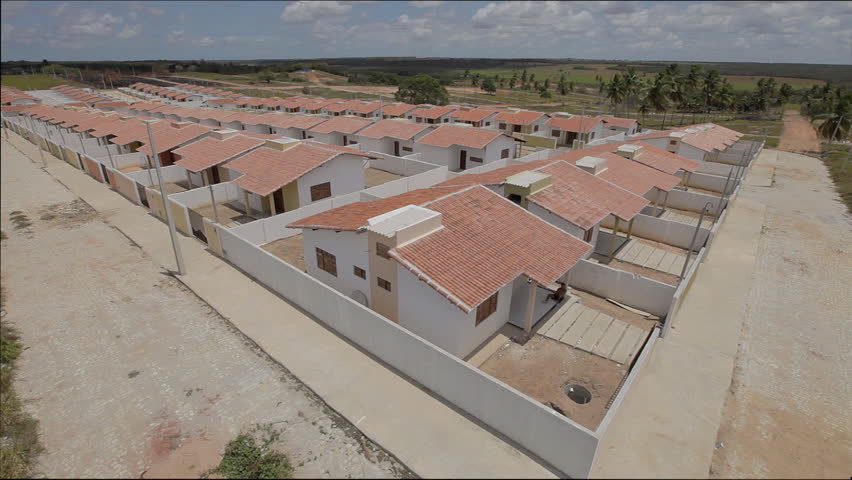
In the Real's 25 years of existence, monetary stabilization has allowed the incorporation of millions of people into the consumer market
In the Real’s 25 years of existence, monetary stabilization has allowed the incorporation of millions of people into the consumer market. Social Housing in Brazil. (Photo internet reproduction)

There is no doubt, however, that today, 25 years after the introduction of the Real, Brazil is  once again, on the brink of recession, without any response from the government, whose finances are out of control.

Public spending has not stopped growing and has erupted since 2014. Last year, the accounts registered a primary deficit (not including interest payments on public debt) of R$120.3 billion (US$30 billion) or 1.7 percent of Gross Domestic Product (GDP). It was the fifth consecutive year that accounts closed in the red.

The public sector does not have resources available for investments and is running up an explosive debt trajectory. The government estimates that it will reach R$4.3 trillion (US$1.1 trillion) by the end of the year. Inflation control, however, has become a national asset and the basic interest rate, although it remains among the highest in the world, has never been so low: 6.5 percent per year.

If Congress approves the welfare reform, it is conceivable that the Central Bank will reduce the official Treasury interest rate to 5.5 percent per year by the end of 2019.

Source: Correio Brasiliense

Read More from The Rio Times

The Rio Times · Power Map
See who really holds power in Latin America
Click to open the Power Map

Rotate for Best Experience

This report is optimized for landscape viewing. Rotate your phone for the full experience.