Bullish Dollar and Pandemic Drive Brazilian Firm to Increase Local Production
RIO DE JANEIRO, BRAZIL – The soaring dollar and the insecurity of regular supplies of imported products from China caused by the pandemic of the novel coronavirus have sped up the plans to increase local production at Mondial, Brazil’s largest manufacturer of blenders, fans, and coffee makers, among other items.

The company is investing R$47 million (US$9.4 million) from its own resources to increase the production capacity of its plant in Conceição do Jacuípe, state of Bahia. There, mixers, speakers and large fans used in businesses and churches will be produced.
Until now, these items were imported from China. The company will also debut in the production of cooktop burners and is studying the local manufacture of other household appliances, which it currently purchases from Asia.
“The rising dollar, which significantly reduced the cost difference between domestic and imported products, was the main factor,” says the company’s founding partner, Giovanni Marins Cardoso. But he concedes that the effect of the coronavirus revealed the question of greater security in producing locally. And, ultimately, this factor hastened the decision to prioritize domestic production.
In justifying the announcement of investments in plant capacity growth at a time when other industries are paralyzing production, offering collective vacations and threatening to dismiss because of the economic crash caused by the novel coronavirus pandemic, Cardoso says he is looking towards a new horizon ahead.
“The situation we are experiencing today is temporary and, when I make investments, I am looking at the medium and long terms”.
The executive emphasizes that the potential market in the country is tremendous – there are 18 million homes that still do not have a blender. And that the products he manufactures can also be purchased by the poorer population segments, which, in a way, provides greater security to face periods of crisis.
Moreover, he points out that his direct competitors are either smaller companies with little investment capacity or multinationals, which rely on home offices and tend to see the glass half empty in times of turbulence.
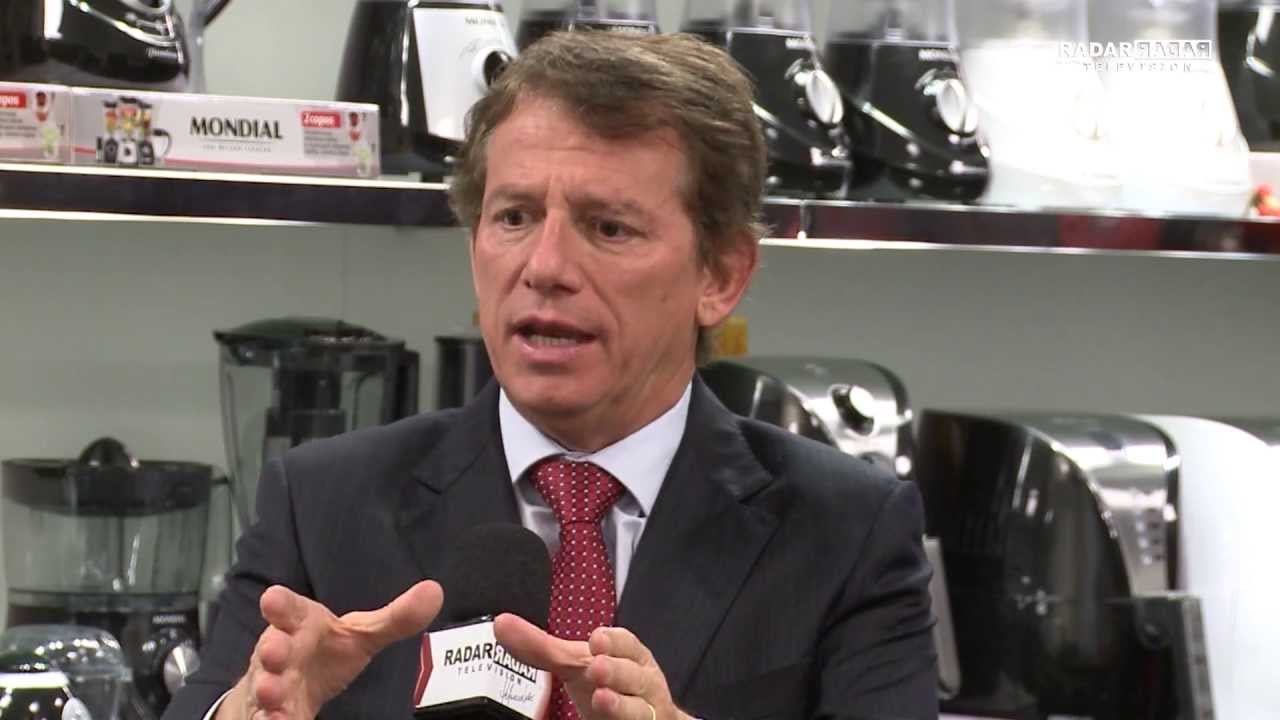
“I always see the glass as half full, despite everything,” says the businessman, who, regardless of the impact of the coronavirus, expects to increase sales by double figures this year.
Cardoso believes that the market should return to normal as of June, after the drop in sales recorded in recent weeks because of the ban on physical stores to curb the spread of the virus. Online sales and supermarkets, which can operate, are ensuring some revenue at this time.
Last year, the company generated sales of R$2 billion. In the last quarter of 2019, the manufacturer accounted, on average, for 36 percent of total sales of household appliances in number of retail units, according to data from research institutes.
“The cake (market) this year may become smaller, but our slice will be bigger”, says Cardoso, who has as one of his goals, when investing in nationalization, to increase his share in the total sector sales. With the new product lines, the share of national items in the company should increase from 55 to 65 percent.
Employment
To handle the local production of four new lines of household appliances, the company bought 20 injectors from China and Korea to produce the plastic portion of appliances. The injectors should be delivered to the country within three to four months. They will fill a new area in the plant in Bahia, which is being enlarged to house these machines.
The plant expansion, included in the investment package, will be conducted in two stages. The first, already in progress, consists of 6,000 square meters. The second, of 12,000 square meters, is planned for the second semester.
As the new product lines are implemented, the company will start recruiting workers. In all, the plan is to hire 215 permanent workers, who will join the 2,400 employees of the Bahia plant. The company has another facility in Manaus (AM), where it employs 900 people.
Source: O Estado de S. Paulo
More: Brazil news in English, every day from The Rio Times.
This article was produced by The Rio Times’ automated newsroom system. How we use AI · Report an error · Editorial responsibility: Matthias Camenzind, Editor-in-Chief