BRAZIL · MARKETS
Key Facts
—The shift. A scenario for the benchmark Selic rate in the 14% range firmed up after the central bank’s meetings with economists.
—Only one or two cuts left. Participants reported that estimates now point to just one or two more 0.25-point reductions this year.
—Itaú’s call. Brazil’s largest private bank now projects a 13.75% year-end Selic and sees a risk the easing cycle is cut short.
—Curve under pressure. Future interest rates jumped, with a fund manager’s interview and economists’ conservative tone pushing the curve higher.
—The backdrop. The move marks an upward revision from the roughly 13.25% year-end Selic the market had penciled in only weeks ago.
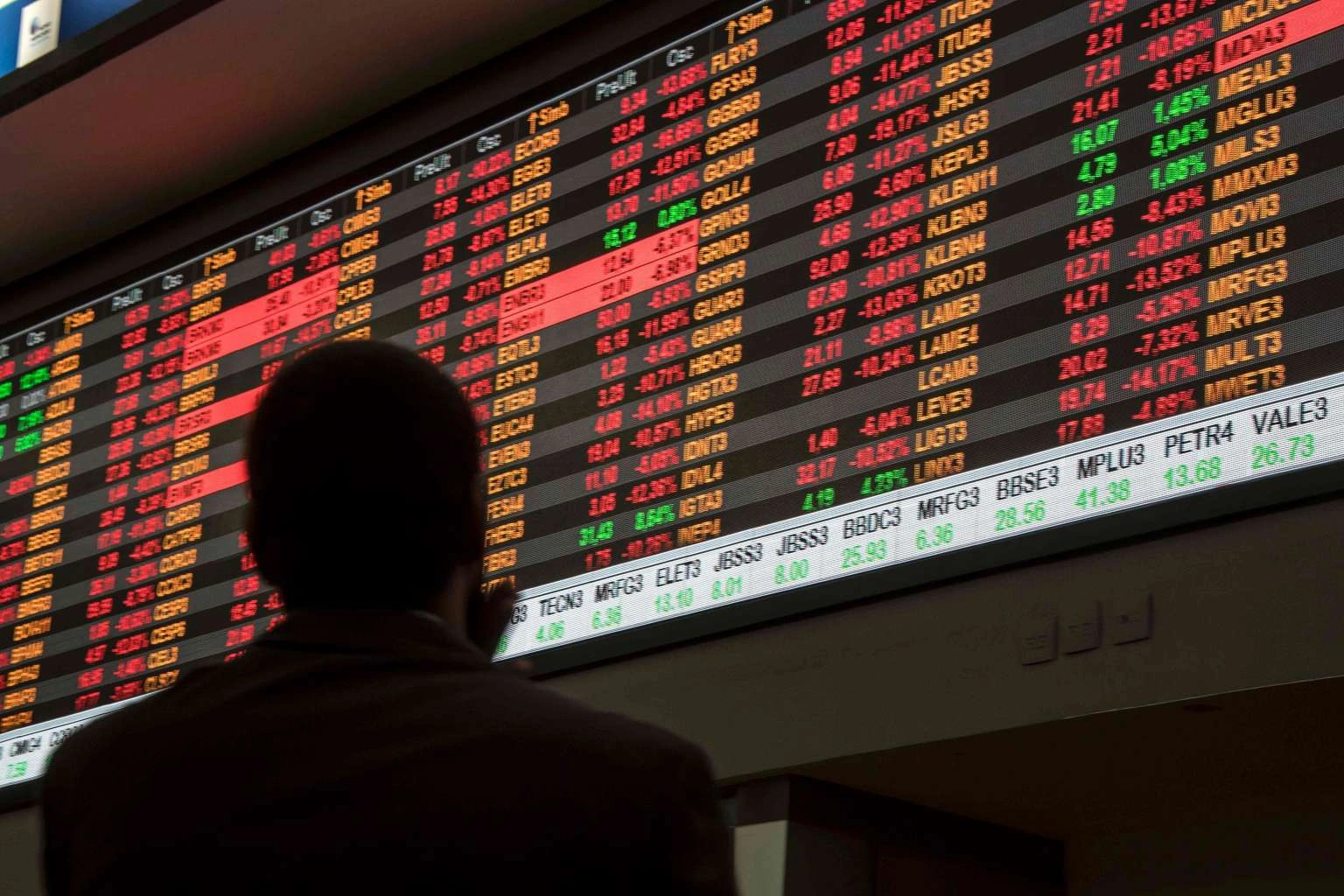
After a week of recalibration, Brazil’s markets are betting the central bank has far less room to cut than they assumed — pushing the year-end Selic forecast back toward 14%.
A higher path for the interest rate
Brazil’s financial market has shifted its expectations for the path of the benchmark Selic interest rate sharply higher. After a series of meetings between the central bank and economists, a scenario in which the Selic ends the year in the 14% range has consolidated, with participants reporting that estimates now allow for only one or two further cuts of 0.25 percentage points in 2026. That is a marked change from recent weeks, when the market’s weekly Focus survey had the year-end rate closer to 13.25%. The repricing reflects a more cautious read on inflation than the one embedded in those earlier forecasts.
A day of stress on the curve
The shift played out as a day of stress in the interest-rate futures market, where the yield curve moved up across maturities. An interview with fund manager Bruno Serra and the conservative tone struck by economists in their meetings with the central bank were cited as the triggers that displaced the curve higher. Future rates accelerated their climb and returned to recent highs, a sign that investors are demanding more compensation to hold Brazilian debt amid uncertainty over the inflation outlook and global energy prices.
Itaú sees an early stop
Among the houses revising their views, Itaú now projects the Selic at 13.75% at the end of 2026 and warned of the risk that the cutting cycle is interrupted before reaching its expected floor. The bank also nudged its end-2027 Selic estimate up, to 12.50% from 12.25%. The central bank, under governor Gabriel Galípolo, has cut the rate twice this year — to 14.50% — after seven consecutive increases through mid-2025, but has repeatedly cited the war in the Middle East and elevated oil prices as reasons for caution. The market is now taking that caution at face value.
Why it matters for the economy
A higher-for-longer Selic has direct consequences. Roughly 40–45% of Brazil’s federal public debt is tied to the Selic, so every increase adds billions of reais in annual interest costs and complicates the fiscal effort the International Monetary Fund and others have urged. It also raises borrowing costs for companies and households, weighing on credit-sensitive sectors. The flip side is that Brazil’s real interest rate — already among the highest of any major economy — keeps the currency attractive to carry traders, offering some support to the real even as the rate-cut hopes fade. The next clear test is the central bank’s policy meeting on June 17.
Frequently Asked Questions
What changed in the Selic outlook?
The market moved its year-end Selic forecast up toward 14%, from around 13.25% weeks earlier, expecting only one or two more cuts in 2026.
What triggered the repricing?
Central bank meetings with economists, a conservative tone on inflation and a fund manager’s interview pushed interest-rate futures higher.
What does Itaú forecast?
A 13.75% Selic at the end of 2026, with a risk the easing cycle stops early, and 12.50% by end-2027.
Why does a higher Selic matter?
It raises the cost of Brazil’s Selic-linked public debt and of credit for firms and households, while keeping the real attractive to carry traders.
Connected Coverage
For more on the economy and markets, see our coverage of the IMF’s verdict on Brazil’s economy and the Ibovespa’s recent slide.
This article was produced by The Rio Times’ automated newsroom system. How we use AI · Report an error
LatAm Markets: Live Signals → — real-time movers, turnover leaders and FX across Latin America.
Read More from The Rio Times