Brazil Grows 0.5% As Record Revenue Meets a Deficit
BRAZIL · ECONOMY
Key Facts
- —What happened: Brazil’s economy grew just 0.5% in the second quarter of 2026, official government data show.
- —The scale: Tax collectors gathered a record R$2.9 trillion (about US$565 billion) in revenue during all of 2025.
- —What it means: That marked growth of 2 percent from a year earlier, beating most economists’ forecasts for the quarter.
- —The catch: Despite that record haul, mandatory spending pushed the government to a R$61.7 billion (about US$12 billion) deficit.
- —What’s next: High interest rates near 14 percent could slow growth further ahead of October’s presidential election.
Runoff · Sunday, 25 October
Brazil Runoff 2026: Lula vs Flávio
Date, polls, debates, odds and how the runoff works, updated every day.
Read our Brazil election 2026 runoff guide →
Brazil runoff polls · Polymarket and Kalshi odds · When results come · Brazil election poll data (CSV)
Prediction markets · who wins the runoff
Implied chance of winning Brazil’s presidency on 25 October, from traders’ prices.
Polymarket
Flávio Bolsonaro 77.5% · Lula 22.5% (US$191 million traded)
Kalshi (regulated in the US by the CFTC)
Flávio Bolsonaro 79% · Lula 22%
As of 21 October, 12:40 pm ET (17:40 Lisbon), updated every 20 minutes. Prices are bets, not polls, and can move fast.
Why we show this: prediction markets turn real-money bets into a live probability that moves within minutes of the news, which is why investors, campaigns and newsrooms in the United States now follow them closely. We show them next to polls and official results, never instead of them.
Brazil’s economy grew slowly last quarter, even as record tax revenue still left the government short of balancing its books.
Brazil’s gross domestic product (GDP) is the total value of goods and services it produces. It grew just 0.5% in the second quarter of 2026, official data show.
That was slower than the first quarter’s 1.1% expansion. Still, it beat most economists’ forecasts for the period.
The country’s economy was worth about R$3.4 trillion (about US$663 billion) in the second quarter alone. Brazil remains by far the largest economy in Latin America.
Brazil’s government also closed the books on 2025 last month. Tax collectors brought in a record R$2.9 trillion (about US$565 billion), the Finance Ministry said.
Farms Drive a Modest Quarter
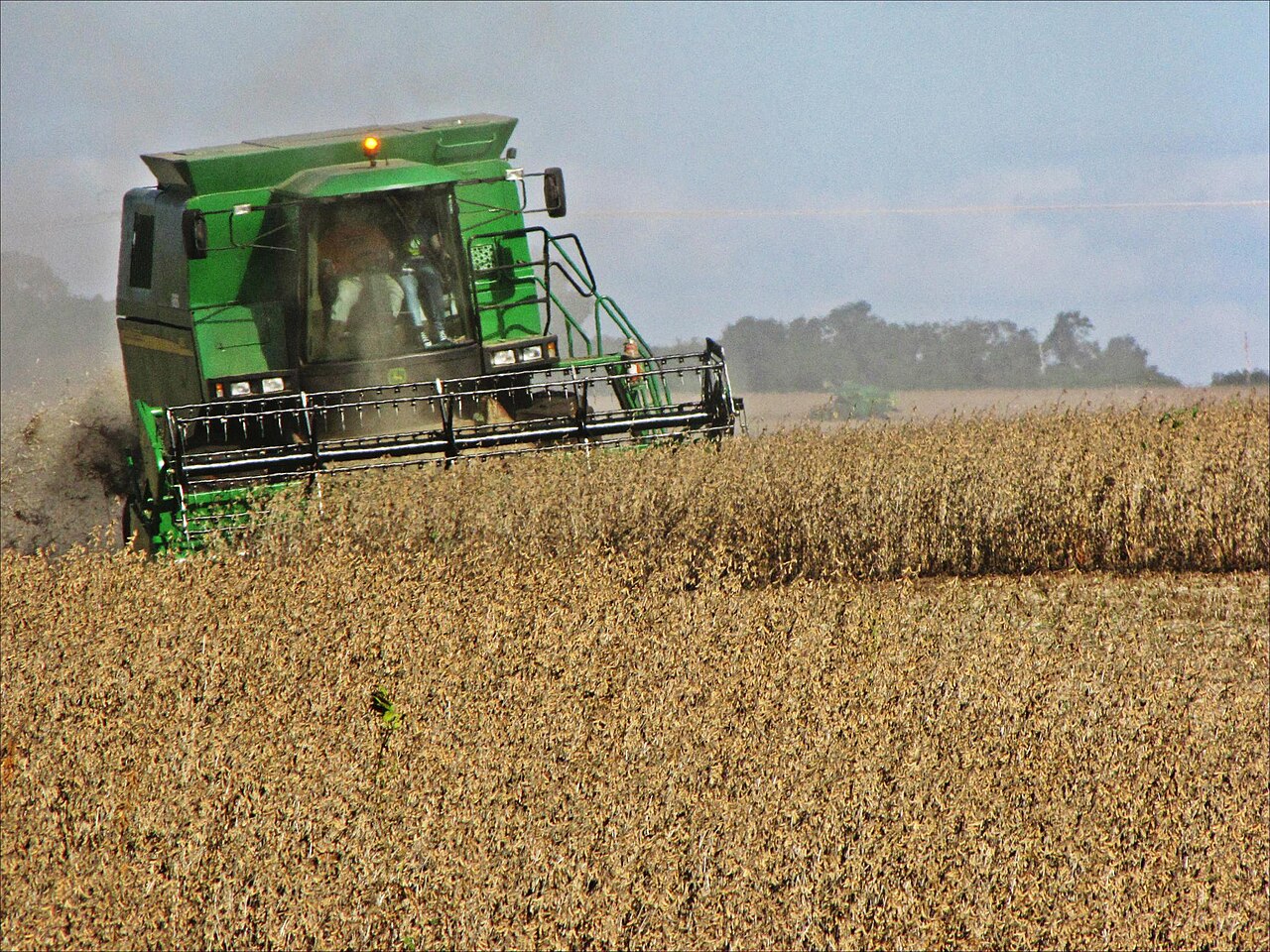
Farming was the star of the second quarter. Output from farms and ranches jumped 2.8% from the first quarter.
Farm output over the past year grew 6.2%, led by soybeans and coffee. Factories and services barely moved, growing just 0.1% and 0.2% for the quarter.
Brazil’s benchmark interest rate has stayed near 14% for months. That squeeze comes weeks before President Luiz Inácio Lula da Silva seeks re-election in October.
Analysts expect growth to slow even more in the third quarter. Some project growth of just 0.2%, unless economic policy becomes clearer after the vote.
A Record Haul, Still a Shortfall
A primary deficit means spending topped revenue, not counting interest payments on debt. It is a key gauge of the government’s underlying spending control.
Brazil’s federal tax revenue hit a record R$2.9 trillion (about US$565 billion) in 2025. That was a 7.5% real increase from 2024, after adjusting for inflation.
Even so, the government still finished the year with a shortfall. The central government posted a primary deficit of R$61.7 billion (about US$12 billion), equal to 0.48% of GDP.
Mandatory costs are the main driver of that gap. Spending on pensions, disability benefits and public salaries grew faster than tax revenue did.
Brazil’s overall tax burden also hit a record high in 2024. It topped 34% of gross domestic product, well above the average for wealthy nations.
Interest Payments Loom Large
The primary deficit excludes interest payments on Brazil’s public debt. Those interest costs alone reached roughly R$1.01 trillion (about US$196 billion) in 2025, government figures show.
Including interest costs, the nominal deficit reached about R$1.06 trillion (about US$207 billion). That gap equaled 8.34% of Brazil’s GDP for the year.
Even so, the government still met its official fiscal target for 2025. Officials get some flexibility under rules that exclude certain court-ordered and health payments.
Investors are watching closely as Brazil heads toward its October election. The next data points could shape how markets view Lula’s economic record.
More: Brazil news in English, every day from The Rio Times.
Frequently Asked Questions
What does Brazil’s 0.5% GDP growth mean?
It means Brazil’s economy grew slightly larger from the first quarter to the second quarter of 2026. Compared with a year earlier, the economy grew about 2%.
Why did Brazil still run a deficit despite record tax revenue?
Mandatory spending on pensions, disability benefits and government salaries grew faster than tax revenue did. That pushed the central government to a primary deficit of R$61.7 billion (about US$12 billion) in 2025.
Could growth slow further before Brazil’s October election?
Yes, some economists expect growth to slow to about 0.2% in the third quarter of 2026. They point to high interest rates and uncertainty ahead of the vote.
Sources: IBGE (Brazil’s national statistics agency), Agência Brasil, CNN Brasil, Bloomberg Tax, ANBA News Agency, Reuters, and Brazil’s Ministry of Finance (Tesouro Nacional).
This article was produced by The Rio Times’ automated newsroom system. How we use AI · Report an error · Editorial responsibility: Matthias Camenzind, Editor-in-Chief
LatAm Markets: Live Signals → — real-time movers, turnover leaders and FX across Latin America.