Brazil’s Congress Passes Trade, Mining and Farm Reforms
BRAZIL · CONGRESS
Key Facts
- —What happened: Brazil’s Congress this week passed three bills covering import taxes, mining rights and farm insurance.
- —The numbers: A new minerals law sets up a R$2 billion (about US$393 million) fund backing mining projects.
- —What it means: Small overseas parcels under US$50 stay duty-free instead of facing a new 20 percent tax.
- —The catch: None of the three bills is law yet; each still needs President Lula’s formal signature to take effect.
- —Who it affects: Farmers also gain new government-backed insurance subsidies meant to protect crops from droughts and floods.
Congress this week locked in tax relief for online shoppers, cleared a mining framework and modernized farm insurance.
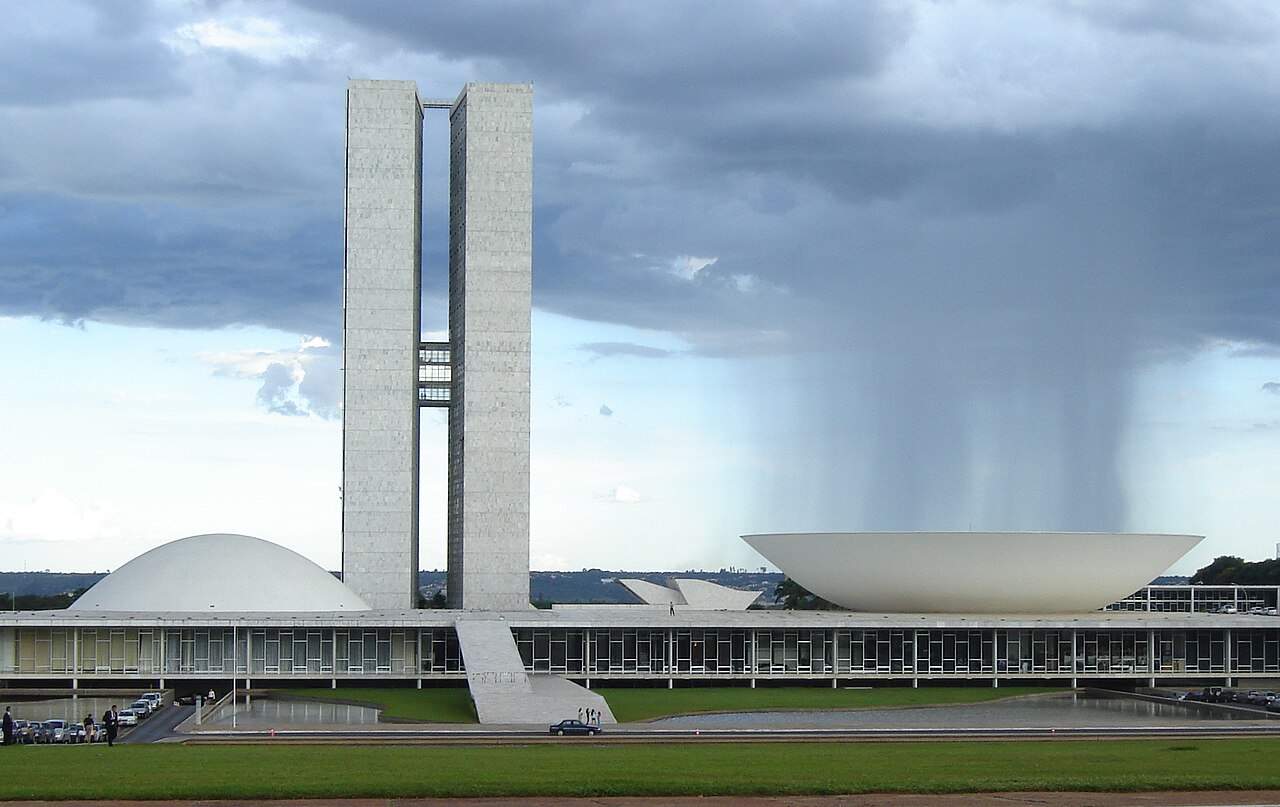
Brazil’s Congress wrapped up a busy stretch of votes this week. Lawmakers passed three major bills covering overseas shopping taxes, mining rights and farm insurance.
All three still need President Luiz Inácio Lula da Silva’s signature to become law. Congress rushed to finish the work before campaigning begins for October’s elections.
End of the ‘Blusinhas Tax’
Brazil nicknamed a tax the “blusinhas tax,” Portuguese for “little blouses.” It targeted cheap clothes and gadgets bought from overseas sites like Shein and AliExpress.
The tax began in 2024, adding a flat 20 percent charge on parcels under US$50. Shoppers and small sellers complained it made cheap imports too expensive.
President Lula suspended that 20 percent floor in May through an emergency decree. This week, Congress made the change permanent instead of letting the old tax snap back.
The Finance Ministry can now set the small-parcel rate anywhere from zero to 30 percent. Bigger orders still face a 60 percent tax, plus state sales tax on top.
Domestic retail groups warned the change could cost around 109,000 jobs. They say Brazilian shops cannot compete with untaxed imports.
Parcel imports have already surged since the tax break began. Brazil received 28.36 million packages in June 2026, up 118 percent from a year earlier.
Senator Leila Barros led the committee behind the bill. The former Olympic volleyball player pushed it through fast.
Lawmakers faced a hard deadline of September 8. Without action, the old 20 percent tax would have returned automatically.
A New Rulebook for Rare Earths and Other Critical Minerals
Congress also approved a new national policy on critical minerals. The list includes rare earths, lithium and nickel.
Those materials go into batteries, wind turbines and electric motors. China currently dominates the world’s supply of them.
Brazil holds the world’s second-largest rare earth reserves. This week, a Brazilian mining company called Serra Verde completed a US$2.8 billion sale to USA Rare Earth.
The new law offers tax breaks for processing minerals inside Brazil, plus a screening council to review risky foreign deals. It also sets up a R$2 billion (about US$393 million) fund to help finance new mining projects.
The bill also offers R$5 billion (about US$976 million) in tax credits over five years. That money rewards companies that refine minerals inside Brazil.
China restricted rare earth exports in 2025 and only partly eased those limits through November 10, 2026. Brazil’s new law arrived weeks before that deadline.
Some mining executives worry the new mineral council could slow down projects with extra paperwork, Mining.com reported. Others say clear rules will finally attract more investment.
President Lula says Brazil is open to mining investment from many countries, not just the United States. He named China and India as potential partners too.
Farmers Get a Modernized Insurance Safety Net
The third bill updates Brazil’s rural insurance rules for farmers. It creates a “Catastrophe Fund” meant to help cover losses from droughts and floods.
Lawmakers timed the bill to the planting season. It starts this month in Mato Grosso, Brazil’s top farm state.
A Pacific Ocean weather pattern called El Niño threatens more droughts and floods this year. Brazil’s farms lost about R$184 billion (roughly US$36 billion) to climate disasters between 2022 and 2024.
Government estimates say insurance covered only 9 percent of those losses. The new law bars government freezes on subsidy money and speeds up claim payments.
Brazil budgeted R$1.017 billion (about US$198 million) for insurance subsidies in 2026. Automatic budget freezes had already cut roughly half of that money.
Brazil’s national farm lobby had asked for closer to R$4 billion (about US$778 million). The new law aims to stop freezes like that from happening again.
Only about 2.2 million hectares of Brazilian farmland carried crop insurance as of 2025. That is a small share of the country’s vast farm belt.
Farmers who buy crop insurance now get priority access to rural credit. They also qualify for lower interest rates and longer repayment terms.
More: Brazil news in English, every day from The Rio Times.
Frequently Asked Questions
What was the ‘blusinhas tax’?
It was a 20 percent federal tax on overseas parcels under US$50, mostly clothes and gadgets bought from sites like Shein. Congress just made a zero-rate option permanent instead of letting the old tax return.
Why does Brazil’s new critical minerals law matter?
It sets rules for mining rare earths, lithium and nickel. China currently dominates global supply of those materials.
What changes for farmers under the new rural insurance law?
It creates a “Catastrophe Fund” to help cover crop losses from droughts and floods. It also bars government freezes on subsidy money and speeds up claim payments.
Are these three bills already in effect?
All three passed Congress this week. Each one still needs President Lula’s signature to become law.
Sources: Rio Times Online, Reuters (via The Associated Press wire), Bloomberg, Mongabay, Mining.com, CNBC, Agência Senado (the Brazilian Senate’s news service) and Metropoles.
This article was produced by The Rio Times’ automated newsroom system. How we use AI · Report an error
Read More from The Rio Times