Foreign Tourists Spent a Record US$4.8 Billion in Brazil This Year
Economy
Key Facts
Brazil set a record for foreign tourist spending in the first five months of 2026, a milestone that owed less to bigger crowds than to visitors opening their wallets wider.
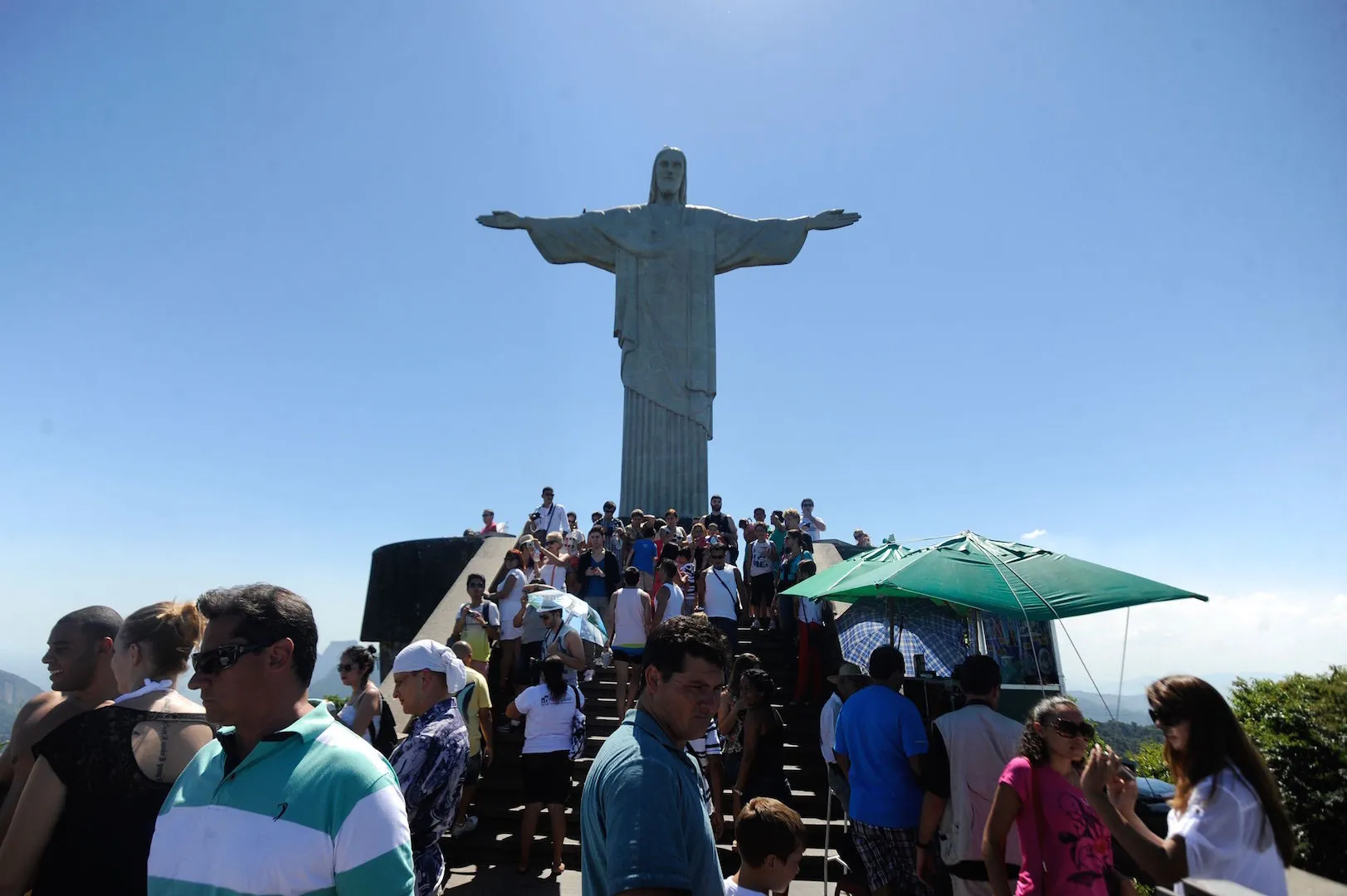
International visitors spent R$25 billion (US$4.8 billion) in the country between January and May, the highest figure ever recorded for the period, according to data released by the tourism ministry. The total was up 11 percent on the R$22.6 billion (US$4.4 billion) logged a year earlier.
The figures, compiled by the central bank and analyzed by the ministry, also set a monthly record. May alone brought in R$4.08 billion (US$790 million), a 19 percent jump over the same month in 2025.
Tourism receipts matter to Brazil’s broader economic health because they count as services exports in the national accounts. When foreign visitors spend money in Brazil, that brings hard currency into the country, which helps balance the current account—the ledger that tracks all cross-border payments for goods, services, and investment income.
Brazil typically runs a deficit on services and travel, meaning Brazilians spend more abroad than foreigners spend in Brazil. Higher tourist receipts narrow that gap, reducing pressure on the exchange rate and foreign reserves.
What’s behind the foreign tourist spending record
The striking part is what did not move. Brazil received close to 5 million international visitors in the five months, essentially level with last year, even as the money they left behind climbed to a new high.
That gap points to quality over quantity. With arrivals flat and receipts up double digits, the average visitor is spending more, helped by an exchange rate that stretches foreign currency far in Brazil.
The receipts are more than a travel statistic. Money spent by visitors counts as a services export, bringing hard currency into the country and helping to offset a current account that typically runs in deficit on travel and services.
May hinted at the same pattern. Arrivals that month rose 5.4 percent to a record 486,262, while spending grew more than three times as fast, at 19 percent.
The drivers are familiar — stronger promotion abroad, new international flight routes, easier entry rules and the broad return of global travel have kept demand firm across South America, Europe and Asia.
The question now is whether this shift toward higher per-visitor spending can be sustained. Will the exchange rate remain favorable enough to keep Brazil affordable for international travelers, or could currency swings erode the advantage?
China becomes the prize
One market stands out. Chinese arrivals jumped 75 percent in May from a year earlier, to 15,380, and rose 43 percent across the five months, to 55,260, a record pace for that source.
That surge is being courted, not stumbled upon. The tourism minister, Gustavo Feliciano, recently worked the ITB China fair in Shanghai and launched a Mandarin-language investment guide pitching projects worth up to US$4.5 billion.
China represents a strategic opportunity for Brazil because Chinese tourists tend to spend heavily on travel and are increasingly looking beyond traditional Asian and European destinations. The government’s focus on this market reflects a broader effort to diversify the sources of tourism revenue and reduce reliance on neighboring South American countries and the United States.
The money lands across the economy. The restaurant and bar association said food-service sales rose 4.6 percent in May, crediting both domestic and international travel for the lift.
The gains build on an already strong base. Brazil posted record foreign arrivals last year as well, and the sector expects the second half of 2026 to hold its pace, lifted by international holidays and a busy events calendar.
Notably, none of this is a World Cup bounce. Brazil is not hosting the 2026 tournament, which is being played in North America, so the record reflects steady demand rather than a one-off event.
For an economy that has long under-punched on tourism for its size, the trend matters. A weak real makes the country cheap for outsiders, and turning that into repeat, higher-spending visitors is the bet officials are now making.
Whether that bet pays off depends on factors beyond currency alone. Can Brazil maintain the infrastructure improvements and service quality needed to convert first-time visitors into repeat customers, especially as competition from other emerging destinations intensifies?
Background: Brazil Overhauls Tax System: A New Era for Business and Economy.
More: Brazil news in English, every day from The Rio Times.
Frequently Asked Questions
How much was foreign tourist spending in Brazil?
Foreign tourist spending in Brazil reached R$25 billion (US$4.8 billion) between January and May 2026, the highest total ever recorded for that period and 11 percent above the R$22.6 billion (US$4.4 billion) of a year earlier. May alone accounted for R$4.08 billion (US$790 million), itself a monthly record, according to central bank figures analyzed by the tourism ministry.
Did more tourists visit Brazil this year?
Not really — Brazil welcomed close to 5 million international visitors in the first five months of 2026, roughly the same as the year before. Because arrivals were flat while spending rose, the record was driven by each visitor spending more rather than by a larger number of tourists.
Why are Chinese tourists important to Brazil?
Chinese arrivals are growing faster than any other major market, up 75 percent in May and 43 percent over the five months. Brazil has been actively courting them through promotion abroad and easier visa access, betting that Chinese visitors and investors can become a durable source of tourism revenue.
Connected Coverage
› Brazil’s Incoming Tourism Grew 30% in Six Years — Driven by Experience Travel
› Brazil Weighs Visa-Free Entry for Chinese Tourists After China Opened the Door
This article was drafted with automated assistance and reviewed before publication. How we use AI · Report an error
Read More from The Rio Times