Brava Energia Reports March Figures: Growth in Efficiency, Challenges in Key Fields
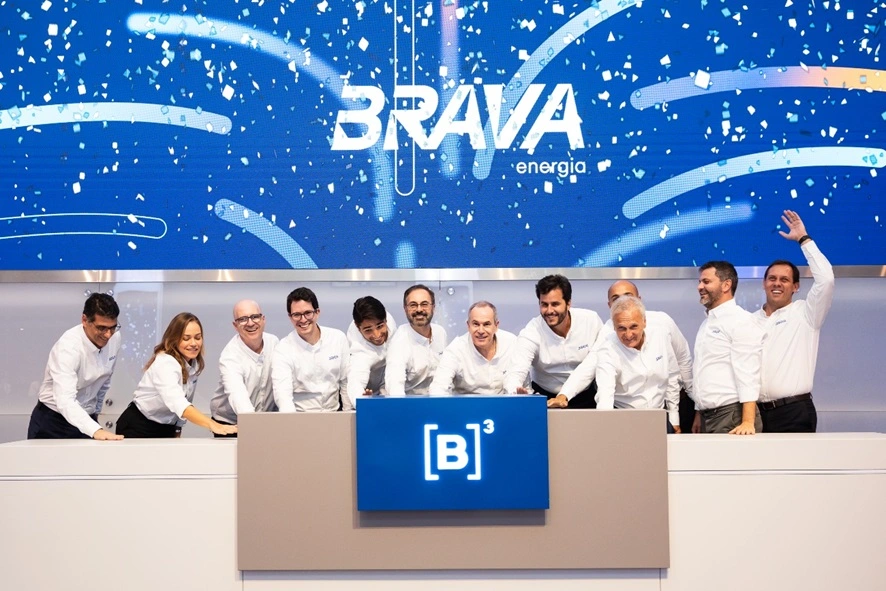
Brazilian oil and gas company Brava Energia, formed by the merger of 3R Petroleum and Enauta, reported a 2.75% drop in production in March 2025 compared to February.
Despite this decline, the company achieved an 82.3% production increase compared to the fourth quarter of 2024, reflecting its strategic investments and operational improvements.
Brava produced an average of 71,700 barrels of oil equivalent per day (boe/d) in March, comprising 59,300 barrels per day (bpd) of oil and 12,400 boe/d of natural gas.
For the first quarter of 2025, the company recorded an average production of 71,000 boe/d, an 80.6% rise from Q4 2024. This included 58,700 bpd of oil and 12,300 boe/d of gas.
The Atlanta Field remains a key driver of Brava’s growth. The field’s Floating Production Storage and Offloading (FPSO) unit began operations in December 2024 and has since demonstrated high efficiency.
Atlanta currently produces around 26,000 bpd from two wells, with plans to connect four additional wells by mid-2025. Once completed, Atlanta could reach its FPSO capacity of 50,000 bpd.
Brava Energy Charts Growth with Offshore Expansion
The field is also expected to generate R$5 billion ($847 million) in royalties over its lifespan until at least 2044. Brava’s offshore portfolio also includes the Papa Terra Field, where production resumed in late December 2024 after significant maintenance work.
The field now produces approximately 15,300 boe/d from three wells. Optimization efforts are ongoing to stabilize energy generation using produced gas, which will reduce diesel consumption and improve operational efficiency.
The company operates several other assets across Brazil, including the Potiguar and Recôncavo Complexes. These fields have benefited from enhanced steam injection techniques and operational adjustments that boosted heavy oil production by 7% in recent months.
Brava also holds stakes in Petrobras-operated Polo Pescada (35%) and Campo de Manati (45%), as well as Shell-operated Parque das Conchas (23%). Financially, Brava has faced challenges but remains on a growth trajectory.
In Q4 2024, the company reported a net loss of R$1 billion ($169 million), primarily due to exchange rate impacts and reduced offshore production. However, February marked a record production month with an average of 73,900 boe/d.
Looking ahead, Brava plans to expand its offshore capabilities further. It has signed a six-million-barrel supply deal with Trafigura and is evaluating additional drilling opportunities at Atlanta and other fields. These efforts aim to solidify its position as one of Brazil’s leading independent energy producers.
Brava’s strategic focus on operational efficiency and portfolio diversification highlights its resilience in navigating industry challenges. It also positions the company to capitalize on growth opportunities in Brazil’s energy sector.
This article was produced by The Rio Times’ automated newsroom system. How we use AI · Report an error
LatAm Markets: Live Signals → — real-time movers, turnover leaders and FX across Latin America.
Read More from The Rio Times