IBOV 177,599.57 ▲ 1.10% IPSA 11,335.31 ▼ 0.97% IPC MEX 65,048.39 ▼ 0.67% MERVAL 3,052,917 ▲ 2.47% COLCAP 2,476.26 ▲ 0.75% BVL PERÚ 59,928.30 ▲ 0.07% USD/BRL5.18▼ 0.22% USD/MXN16.99▼ 0.24% USD/CLP934.40▲ 0.31% USD/COP3,218▲ 0.58% USD/PEN3.36▲ 0.38% USD/ARS1,509▼ 0.28% USD/UYU40.29▲ 0.05% USD/PYG5,892▼ 0.13% USD/BOB11.84▲ 0.51% USD/DOP58.64▲ 0.05% USD/CRC446.47▼ 0.04% USD/GTQ7.62▼ 0.02% USD/HNL26.84— 0.00% USD/NIO36.62— 0.00% USD/VES793.00▼ 0.13% USD/PAB1.00— 0.00% USD/BZD2.00— 0.00% USD/JMD 157.28 — 0.00% USD/TTD6.69▼ 0.37% EUR/BRL6.02▼ 0.15% BRENT 88.88 ▼ 0.03% WTI 83.11 ▼ 0.11% IRON ORE 161.91 — — COPPER 6.61 ▲ 0.03% GOLD 4,461 ▲ 1.78% SILVER 65.59 ▲ 1.26% SOY 1,184 ▲ 3.20% CORN 480.50 ▲ 10.02% WHEAT 655.00 ▲ 3.93% COFFEE 317.25 ▼ 5.51% SUGAR 16.43 ▼ 1.79% ORANGE JUICE 138.55 ▼ 0.47% COTTON 85.03 ▲ 2.33% COCOA 5,719 ▲ 3.18% BEEF 223.60 ▼ 3.93% CATTLE 339.10 ▼ 3.16% LITHIUM 75.20 ▲ 1.47% PETR4 41.64 ▼ 0.05% VALE3 72.97 ▲ 0.83% ITUB4 38.60 ▼ 1.03% BBDC4 16.85 ▲ 0.36% ABEV3 14.89 ▼ 0.80% BBAS3 19.37 ▲ 0.47% B3SA3 14.26 ▼ 0.21% WEGE3 47.59 ▲ 0.49% PRIO3 59.14 ▼ 0.19% SUZB3 41.33 ▲ 2.35% RENT3 34.68 ▼ 0.09% AZZA3 15.89 ▼ 2.63% CSAN3 3.22 ▼ 1.83% RAIZ4 0.25 — 0.00% PCAR3 2.75 ▼ 0.36% GMAT3 3.65 ▼ 1.08% PSSA3 48.13 ▼ 0.54% CVCB3 1.33 ▼ 2.92% POSI3 3.36 ▲ 2.44% SLCE3 13.34 ▲ 0.30% NATU3 8.14 ▼ 0.73% IBOV 177,599.57 ▲ 1.10% IPSA 11,335.31 ▼ 0.97% IPC MEX 65,048.39 ▼ 0.67% MERVAL 3,052,917 ▲ 2.47% COLCAP 2,476.26 ▲ 0.75% BVL PERÚ 59,928.30 ▲ 0.07% USD/BRL 5.16 ▲ 0.01% USD/MXN 17.06 ▼ 0.24% USD/CLP 913.98 ▲ 0.04% USD/COP 3,140 ▲ 0.03% USD/PEN 3.36 ▼ 0.66% USD/ARS 1,493 ▲ 0.10% USD/UYU 40.27 ▲ 1.24% USD/PYG 5,939 ▲ 1.68% USD/BOB 11.64 ▼ 0.76% USD/DOP 58.34 ▲ 1.25% USD/CRC 445.92 ▲ 0.89% USD/GTQ 7.62 ▲ 2.21% USD/HNL 26.79 ▲ 1.57% USD/NIO 36.62 ▲ 0.69% USD/VES 762.44 ▼ 0.13% USD/PAB 1.00 — 0.00% USD/BZD 2.00 — 0.00% USD/JMD 157.28 — 0.00% USD/TTD 6.70 ▲ 0.61% EUR/BRL 5.95 ▲ 1.01% BRENT 88.88 ▼ 0.03% WTI 83.11 ▼ 0.11% IRON ORE 161.91 — — COPPER 6.61 ▲ 0.03% GOLD 4,461 ▲ 1.78% SILVER 65.59 ▲ 1.26% SOY 1,184 ▲ 3.20% CORN 480.50 ▲ 10.02% WHEAT 655.00 ▲ 3.93% COFFEE 317.25 ▼ 5.51% SUGAR 16.43 ▼ 1.79% ORANGE JUICE 138.55 ▼ 0.47% COTTON 85.03 ▲ 2.33% COCOA 5,719 ▲ 3.18% BEEF 223.60 ▼ 3.93% CATTLE 339.10 ▼ 3.16% LITHIUM 75.20 ▲ 1.47% PETR4 41.64 ▼ 0.05% VALE3 72.97 ▲ 0.83% ITUB4 38.60 ▼ 1.03% BBDC4 16.85 ▲ 0.36% ABEV3 14.89 ▼ 0.80% BBAS3 19.37 ▲ 0.47% B3SA3 14.26 ▼ 0.21% WEGE3 47.59 ▲ 0.49% PRIO3 59.14 ▼ 0.19% SUZB3 41.33 ▲ 2.35% RENT3 34.68 ▼ 0.09% AZZA3 15.89 ▼ 2.63% CSAN3 3.22 ▼ 1.83% RAIZ4 0.25 — 0.00% PCAR3 2.75 ▼ 0.36% GMAT3 3.65 ▼ 1.08% PSSA3 48.13 ▼ 0.54% CVCB3 1.33 ▼ 2.92% POSI3 3.36 ▲ 2.44% SLCE3 13.34 ▲ 0.30% NATU3 8.14 ▼ 0.73%
since 2009
Monday, August 31, 2026

Latin America Bolivia

Bolivia’s Runoff Debate: ‘Dollars Now’ Versus ‘Cuts First’

By · October 13, 2025 · 2 min read

Daily Brief

The morning intel from across Latin America. Free.

By subscribing you agree to our privacy policy. We never share your email.

Fuel lines snake through Bolivian cities and cash machines run short of dollars. One week before the October 19 presidential runoff, the country’s two contenders offered starkly different ways out.

Jorge “Tuto” Quiroga, a conservative former president (2001–2002), argues the quickest path to normality is external financing—quick-disbursing programs that put hard currency back in banks and keep imported diesel and gasoline flowing.

Rodrigo Paz pitches a house-cleaning first: deep cuts to what he calls superfluous public spending and a tighter, targeted fuel subsidy.

Their argument is really about sequence and credibility. Quiroga says confidence won’t return until the state brings in fresh dollars; only then, he says, can the exchange market calm and queues ease.

Paz counters that Bolivia can free resources now by trimming waste and narrowing the subsidy, reserving relief for public transport and vulnerable groups.
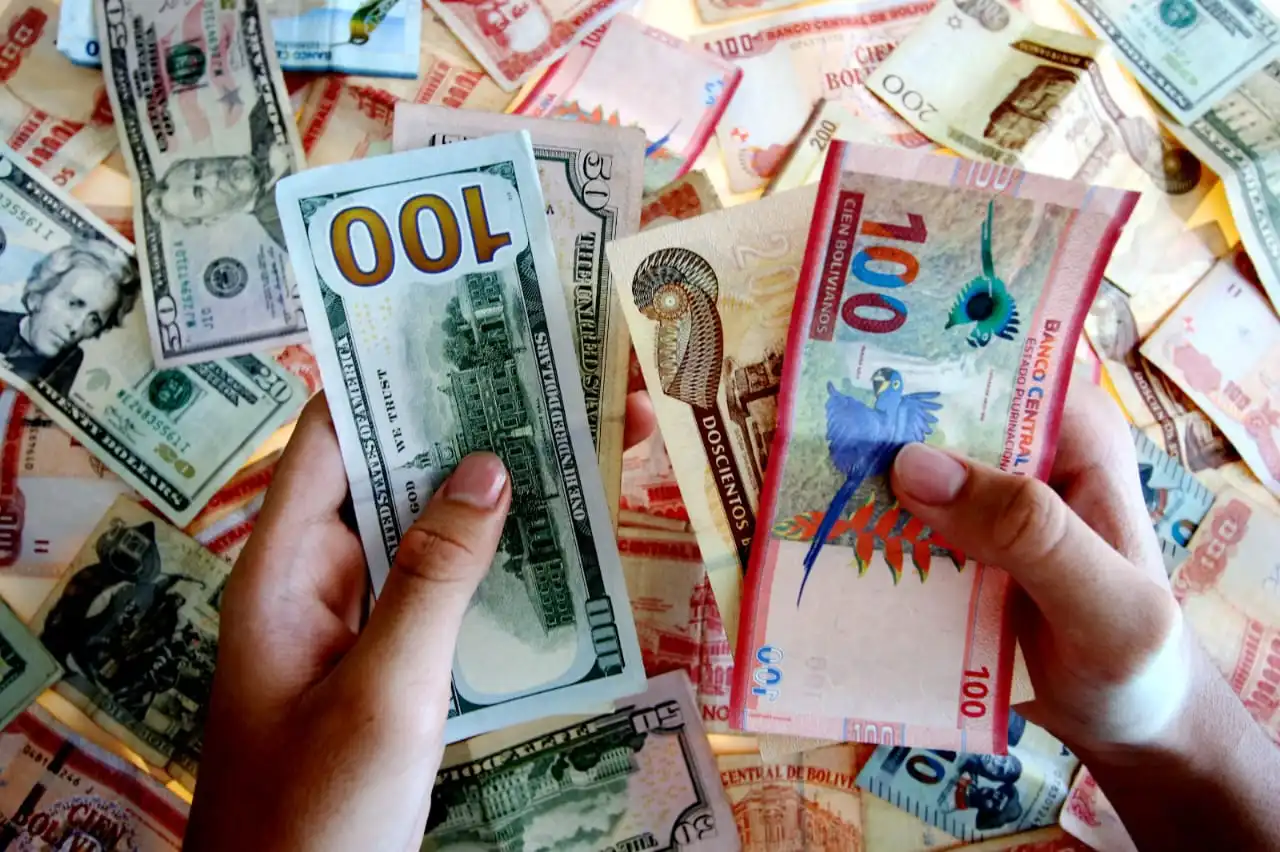
Bolivia’s Runoff Debate: ‘Dollars Now’ Versus ‘Cuts First’. (Photo Internet reproduction)
One-stop reference
Company Intelligence
Every listed company in Latin America — financials, ownership and structure for 1,450+ companies across 26 exchanges, in one place.
Browse the directory →
RT
Ask Rio Times
17 years of Latin America reporting, on demand.
Open the full Ask Rio Times →

He points to roughly $1.5 billion in avoidable outlays and notes Congress has already approved about $3.5 billion in external credits that a new government could unlock without rushing into a broader program.

Bolivia’s Election Centers on Fuel and Fiscal Strains

Behind the debate is the end of a boom. Gas exports once supplied the dollars that paid for imports and sustained a broad fuel subsidy built over two decades.

As export volumes and prices fell, the subsidy bill swelled while hard-currency earnings shrank, squeezing the budget and the central bank’s reserves.

That is why the candidates, despite their clash, converge on some essentials: a partial, phased rework of fuel subsidies; audits of state companies; lower tariffs to boost exports; and easier credit for producers.

Politics intrudes. Paz attacks Quiroga’s early-2000s record for a steep fiscal deficit; Quiroga replies that Bolivia avoided the worst inflationary turmoil seen in neighbors and warns against mixed signals on subsidy policy. Polls show Quiroga edging ahead, with undecideds still meaningful.

What it means beyond Bolivia is simple enough: the next president’s first 100 days will decide whether dollars return via fresh financing or through fast austerity—and how much social pain each route brings.

For households and businesses, the choice will shape inflation, transport fares, and the reliability of basic supplies.

This article was produced by The Rio Times’ automated newsroom system. How we use AI · Report an error

Read More from The Rio Times

The Rio Times · Power Map
See who really holds power in Latin America
Click to open the Power Map

Rotate for Best Experience

This report is optimized for landscape viewing. Rotate your phone for the full experience.