Bolivia’s Beef Indefinite Export Ban Sparks Economic Tug-of-War
The Bolivian government, as announced by Vice Minister Jorge Silva on February 18, 2025, extends its indefinite beef export suspension.
This decision, first enacted on February 5, aims to secure domestic supply and curb soaring prices, officials say. Yet, it ignites a fierce debate between consumer needs and producer losses.
Silva tells reporters the ban persists until beef prices drop and supply stabilizes, targeting local affordability. Beef costs climb to 50 Bolivianos per kilogram in cities, doubling from 2024’s 25-30 Bolivianos, straining household budgets.
Meanwhile, the government threatens legal action against ranchers for unjustified price hikes, demanding proof of rising costs. Contracabol, representing meat traders, backs the move, claiming exports—mostly to China—drain 70% of production, leaving locals short.
In 2023, Bolivia exported 29,301 tons, earning $136 million, a 38% jump from 2022, per the National Institute of Statistics. However, this boom fuels domestic scarcity, traders argue.
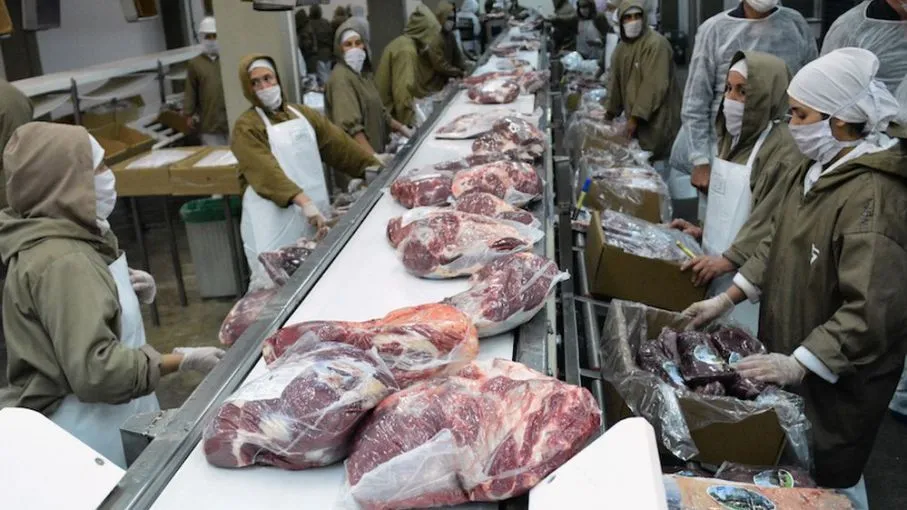
The Cámara Agropecuaria del Oriente (CAO) fiercely opposes the ban, warning of dire economic fallout. President Klaus Frerking labels it reckless, noting daily losses of $500,000 for ranchers, as the National Chamber of Exporters reports.
Bolivia’s Beef Exports at Risk
Exports, projected at 37,000 tons for 2024, bolster Bolivia’s $155 million trade surplus, now at risk. Producers attribute price surges to a 100% rise in cattle costs, driven by expensive feed and fuel shortages, not greed.
Bolivia’s 10 million cattle herd, centered in Santa Cruz, supports thousands of jobs, the CAO says. Yet, halting exports could slash herds and employment, they caution.
This clash unfolds amid Bolivia’s economic woes—low reserves, a weakening Boliviano, and a $2.2 billion hit from 2024 blockades. The beef sector, a rare bright spot after gas revenues fell, now teeters.
Historically, exports soared post-2016, with China buying 87% of 2023’s haul since 2019. The government prioritizes food security, echoing past bans in 2021 and 2022, but critics see shortsightedness.
Ranchers lose markets, deforestation tied to cattle ranching persists—5.7 million hectares burned in 2019—and tensions rise. Bolivia balances consumer relief against a battered agro-economy, with no end in sight.
More: Bolivia news in English, every day from The Rio Times.
This article was produced by The Rio Times’ automated newsroom system. How we use AI · Report an error · Editorial responsibility: Matthias Camenzind, Editor-in-Chief
In depth