Bolivia Blames Its Fuel Shortage on YPFB, Not a Lack of Fuel
Bolivia · Energy
Key Facts
- Logistics failure Authorities blame YPFB’s import, unloading, and distribution bottlenecks, not a lack of fuel at the source.
- Arica backlog More than 40 million liters of fuel were reportedly stuck at Chile’s Arica port awaiting unloading.
- Gasoline normalizing Official statements say gasoline supply is largely recovering, while diesel remains constrained.
- Storage exists Reports cite 6 million liters of gasoline and 4 million liters of diesel at the Senkata plant, but distribution is failing.
- Institutional blame President Rodrigo Paz said YPFB “does not function well” and needs structural change.
- Deeper causes Corruption allegations, dollar scarcity, and import financing constraints are cited as underlying drivers.
- Economic impact Transport operators have cut services and agricultural producers report inconsistent diesel deliveries.
The real story isn’t just empty tanks — it’s a state oil company that can’t move what it already has. For anyone watching Bolivia’s business climate, the question is how long institutional paralysis can last before it hits prices, supply chains, and investment confidence.
If you’ve been following Bolivia’s fuel shortage from abroad, you might assume the country simply ran out of gasoline and diesel. But the government says that’s not the case.
Instead, officials point to a logistics and institutional failure inside the state oil company YPFB. It’s a problem of moving fuel that exists, not of fuel that doesn’t.
Gasoline is largely normalizing, they say. Diesel remains stuck in a bottleneck that stretches from a Chilean port to Bolivian storage tanks and, finally, to the pumps where you need it.
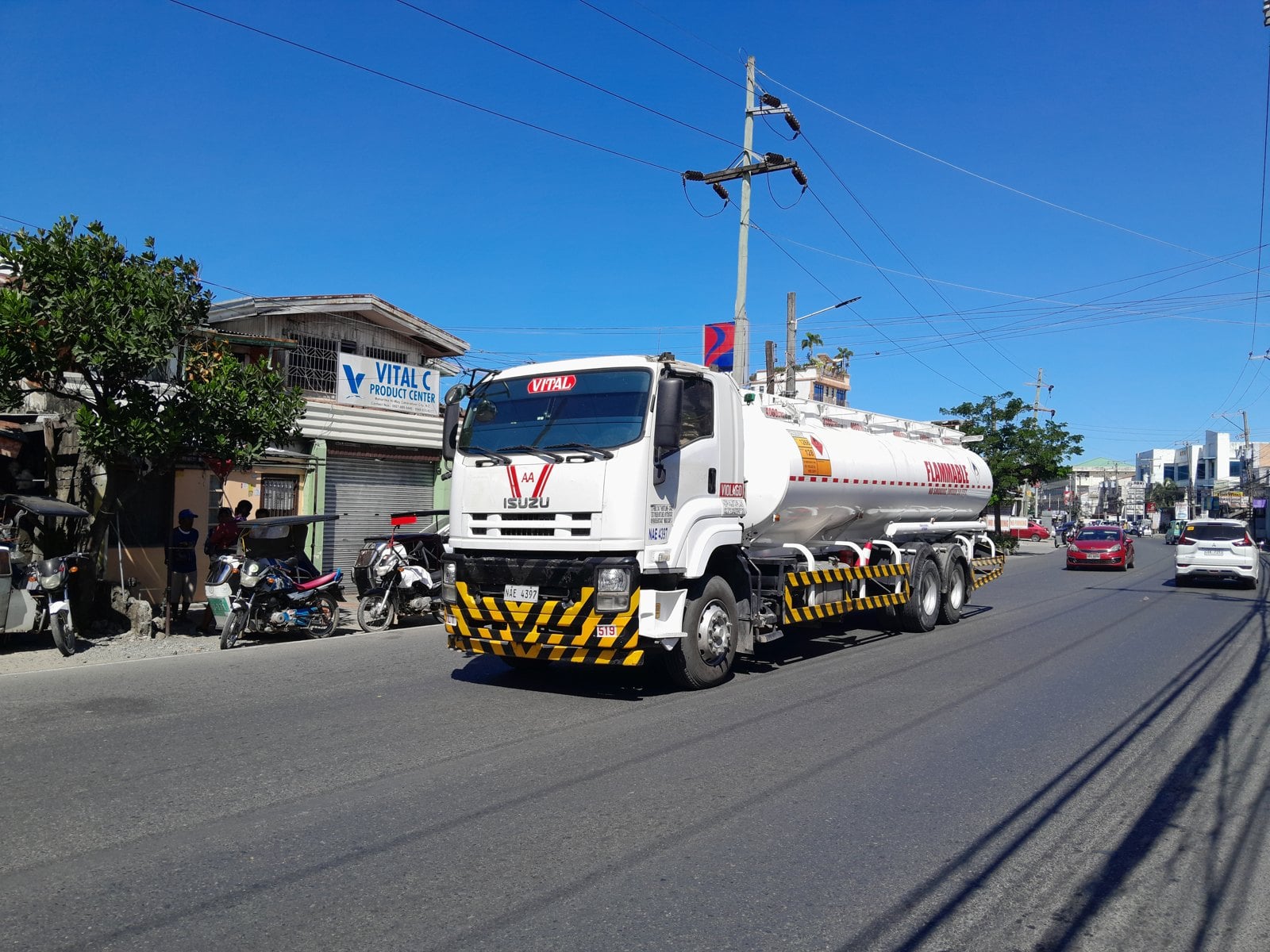
Why Bolivia’s fuel shortage is a distribution problem, not a supply problem
The official line is blunt: Bolivia’s fuel shortage is a logistics failure. Reports from August 2026 describe serious delays at the Chilean port of Arica.
More than 40 million liters were reportedly waiting to be unloaded there. That’s not a small hiccup — it’s a massive backlog.
The problem lies in how fuel is imported, unloaded, and moved inland, not in whether the product exists.
President Rodrigo Paz put it even more directly. He said YPFB “does not function well” and that structural changes are needed inside the state oil company.
That’s a striking admission from a sitting president. He acknowledged that the institution responsible for fuel supply is itself the weak link.
It matches what analysts and insiders have been saying. Institutional problems, corruption allegations, and structural weaknesses inside YPFB are part of the crisis, not just external shocks.
Gasoline recovers, diesel keeps struggling
If you drive a gasoline-powered vehicle, you may have noticed things improving. Official statements say gasoline is largely being normalized.
But diesel is a different story. The bottlenecks in import, unloading, and distribution are hitting diesel harder.
That matters because diesel powers trucks, buses, tractors, and generators — the backbone of commerce and agriculture.
Reports say there is fuel in storage. One report cites 6 million liters of gasoline and 4 million liters of diesel at the Senkata plant alone.
But storage doesn’t help if the fuel can’t reach the stations. Transport operators have reduced operations.
Agricultural producers say promised diesel deliveries are not arriving consistently. That’s not a fuel shortage in the classic sense.
It’s a supply chain failure with real economic consequences.
The deeper causes: dollars, corruption, and institutional rot
Behind the logistics mess, there are deeper forces at play. Dollar scarcity is a major factor.
Bolivia’s import financing constraints make it harder to pay for fuel shipments on time. That can delay unloading at ports and create a cascade of problems downstream.
When you can’t pay in dollars, suppliers get nervous, and ships wait.
Then there are the corruption allegations. Reports from the period cite institutional problems and structural weaknesses inside YPFB as part of the crisis.
Whether it’s mismanagement, opaque contracting, or outright graft, the effect is the same. Fuel that should be moving isn’t.
President Paz’s call for structural change is an acknowledgment. Tinkering around the edges won’t fix a company that, in his own words, “does not function well.”
Why Bolivia’s fuel shortage matters beyond the pumps
If you’re living in or invested in Latin America, this story is a warning sign. Bolivia is not an isolated case.
Fuel supply chains across the region are fragile. When a state oil company fails to distribute what it already has, the ripple effects hit transport costs, food prices, and business confidence.
For expats and nomads, that means higher prices at the pump and potential disruptions in travel and logistics. For investors, it raises questions about governance, institutional reliability, and the true cost of doing business in a country where the state controls critical infrastructure.
The good news is that gasoline is normalizing. The bad news is that diesel remains stuck.
The underlying institutional problems are not going away. Bolivia’s fuel shortage is not a one-off event.
It’s a symptom of a system that needs more than a quick fix. Until YPFB gets the structural overhaul President Paz says it needs, you should expect more hiccups.
Plan accordingly.
More: Bolivia news in English, every day from The Rio Times.
Frequently Asked Questions
Is Bolivia really out of fuel?
No, according to the government and YPFB. The issue is logistics and distribution, not a total absence of product.
Fuel is reportedly in storage. That includes 6 million liters of gasoline and 4 million liters of diesel at Senkata.
But it isn’t reaching stations consistently.
Why is diesel still in shortage if gasoline is normalizing?
Diesel faces more severe bottlenecks in import, unloading, and distribution. A reported backlog of more than 40 million liters at Chile’s Arica port is a key example.
Diesel also powers transport and agriculture. Demand is high, and disruptions are more visible.
What does President Rodrigo Paz say about YPFB?
He said YPFB “does not function well” and needs structural changes. He and analysts also cite institutional problems, corruption allegations, and dollar scarcity as deeper causes of the crisis.
Connected Coverage
Sources: Bolivian government; YPFB; El Deber; eju.tv; RTP — August 2026.
This article was produced by The Rio Times’ automated newsroom system. How we use AI · Report an error
In depth
Read More from The Rio Times