Bolivia Country Risk Falls to 407 Points, Below Argentina and Ecuador
Bolivia · Economy
Key Facts
- —The number Bolivia’s country risk hit 407 basis points on August 13, 2026, according to JP Morgan’s EMBI index.
- —Below its neighbors That reading sat under Argentina’s 470 points and Ecuador’s 432 points on the same day.
- —The turnaround The spread was near 930 to 1,000 points when President Rodrigo Paz took office on November 8, 2025.
- —The driver Markets are rewarding Paz’s reforms: scrapping a dollar-transaction tax, cutting spending, and seeking about US$9 billion in outside financing.
- —Why it matters Lower country risk means cheaper borrowing and steadier investor confidence for a country still healing from a dollar shortage.
The turnaround since President Rodrigo Paz took office in November marks one of the sharpest confidence swings in the region.
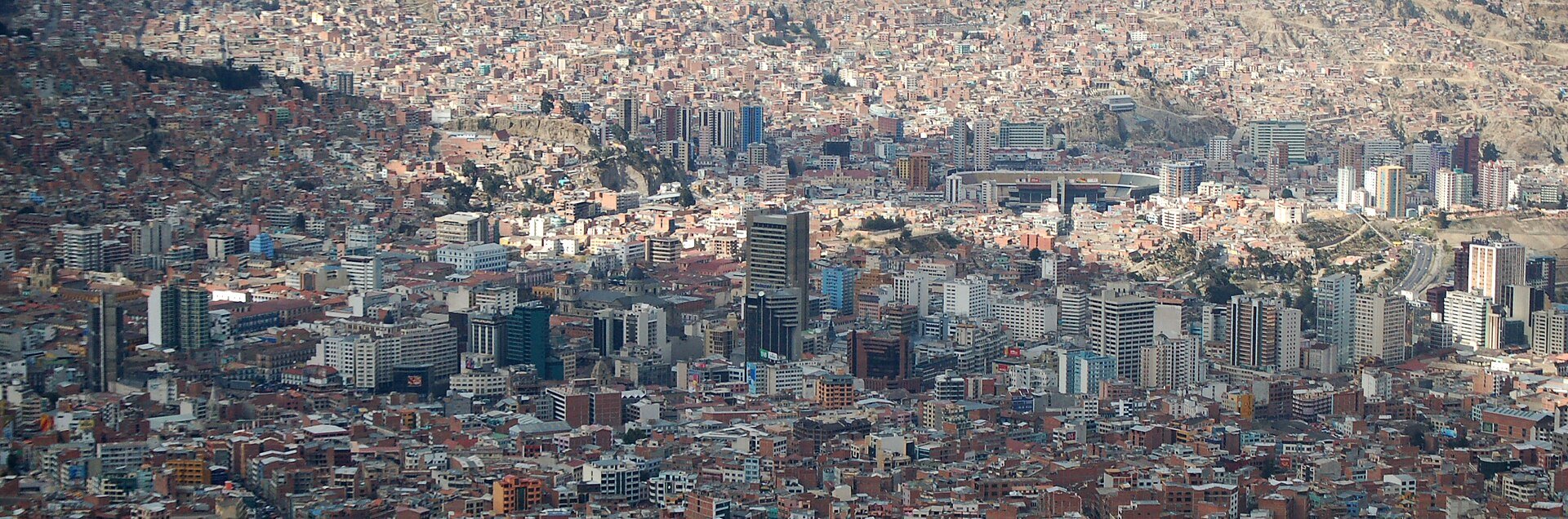
Bolivia country risk has fallen to 407 basis points, its lowest level in years, and now sits below both Argentina and Ecuador. The figure comes from JP Morgan’s closely watched EMBI index and was flagged on August 13, 2026.
For a country that spent two years labeled a distressed borrower, it is a striking change of fortune.
What the Bolivia country risk drop actually shows
In plain terms, country risk measures how nervous investors feel about lending money to a government. Because Bolivia’s number keeps sliding, that nervousness is clearly easing.
Bolivia country risk reached 407 basis points on August 13, 2026. So the country moved below Argentina, at 470 points, and Ecuador, at 432 points, on the very same day.
How far the number has fallen
The turnaround has been fast. When Rodrigo Paz was sworn in on November 8, 2025, the spread hovered near 930 to 1,000 points.
And it had touched a brutal 2,242 points back in April 2025. Since then the fall has been steady.
Bolivia closed 2025 near 673 points, reached 424 by the end of June. And eased to around 428 in July before dropping to 407 in August.
What country risk means for your wallet
Think of country risk as the extra interest a nation must pay on top of what the United States pays. Every 100 basis points equals one percentage point of extra yield each year.
So a reading of 407 points means Bolivia pays roughly four percentage points more than US Treasuries to borrow. As a result, a lower number makes new loans cheaper and eases pressure on public finances.
Why investors changed their minds
The shift is really about confidence. After years of falling reserves and a painful dollar shortage, markets doubted whether Bolivia could pay its bills.
Now the new government is signaling discipline. Because Paz has promised deep spending cuts and a friendlier climate for hard currency, investors are betting the worst is over.
The reforms behind the fall
Several concrete moves have won over the markets. For example, the government scrapped a tax on dollar transactions that had discouraged holding hard currency.
Meanwhile, officials have pledged spending cuts of roughly 30 percent and are negotiating about US$9 billion in outside financing. In short, the plan tackles both the budget and the dollar crunch at once.
Who is Rodrigo Paz
Rodrigo Paz Pereira is Bolivia’s president, not a president-elect. He won the October 19, 2025 runoff with about 54 percent of the vote against former leader Jorge Quiroga.
His victory ended nearly two decades of socialist rule. Since taking office, he has framed his agenda as opening the economy while steadying the currency.
Bolivia against Argentina and Ecuador
The regional comparison is what makes this milestone stand out. For years Bolivia sat far above its neighbors, deep in distressed territory.
Yet by late July the crossover was already visible, with Bolivia near 428 points against Argentina’s 434 and Ecuador’s 436. By mid-August the gap had widened in Bolivia’s favor.
The dollar shortage still in the background
Even so, the story is not finished. Bolivia’s long scramble for dollars hit families, importers, and fuel supplies, and that damage does not vanish overnight.
Still, cheaper borrowing gives the government more room to breathe. Once external financing arrives, officials hope to rebuild reserves and calm the currency market.
What to watch next
The number can move quickly, so caution is wise. Because political tension or a stalled reform can push the spread back up, the trend matters more than any single day.
For now, though, the direction is encouraging. Although Bolivia remains a low-rated, speculative borrower, the market clearly likes what it sees from the new government.
More: Bolivia news in English, every day from The Rio Times.
Frequently Asked Questions
What is Bolivia’s country risk right now?
Bolivia’s country risk stood at 407 basis points on August 13, 2026, according to JP Morgan’s EMBI index. That was its lowest level in years.
Is Bolivia’s country risk really below Argentina and Ecuador?
Yes. On August 13, 2026, Bolivia’s 407 points sat below Argentina’s 470 and Ecuador’s 432.
Why is country risk falling in Bolivia?
Markets are rewarding President Rodrigo Paz’s reforms, including spending cuts. The end of a dollar-transaction tax, and talks for about US$9 billion in financing.
What does a lower country risk mean in practice?
A lower spread means the government can borrow more cheaply and signals rising investor confidence. It also eases pressure on Bolivia’s strained public finances.
Connected Coverage
Sources: Oxígeno.bo; Bloomberg Línea; Red Uno; JP Morgan EMBI.
This article was produced by The Rio Times’ automated newsroom system. How we use AI · Report an error
Read More from The Rio Times