IBOV 174,576.80 ▲ 1.55% IPSA 11,450.75 ▼ 0.76% IPC MEX 65,522.56 ▼ 0.38% MERVAL 3,009,029 ▲ 0.46% COLCAP 2,508.47 ▼ 0.09% BVL PERÚ 60,117.56 ▲ 0.55% USD/BRL5.15▼ 0.12% USD/MXN16.94▼ 0.03% USD/CLP911.95▼ 0.10% USD/COP3,084▲ 1.30% USD/PEN3.35▼ 0.07% USD/ARS1,512▲ 0.13% USD/UYU40.18▲ 1.06% USD/PYG5,968▲ 0.82% USD/BOB11.47▲ 0.68% USD/DOP58.19▲ 0.38% USD/CRC447.25▲ 0.82% USD/GTQ7.62▲ 2.02% USD/HNL26.82▲ 1.52% USD/NIO36.62▲ 0.58% USD/VES783.11▼ 0.13% USD/PAB1.00— 0.00% USD/BZD2.00— 0.00% USD/JMD 157.28 — 0.00% USD/TTD6.73▲ 0.97% EUR/BRL6.01▲ 0.24% BRENT 88.88 ▼ 0.03% WTI 83.11 ▼ 0.11% IRON ORE 161.91 — — COPPER 6.61 ▲ 0.03% GOLD 4,461 ▲ 1.78% SILVER 65.59 ▲ 1.26% SOY 1,184 ▲ 3.20% CORN 480.50 ▲ 10.02% WHEAT 655.00 ▲ 3.93% COFFEE 317.25 ▼ 5.51% SUGAR 16.43 ▼ 1.79% ORANGE JUICE 138.55 ▼ 0.47% COTTON 85.03 ▲ 2.33% COCOA 5,719 ▲ 3.18% BEEF 223.60 ▼ 3.93% CATTLE 339.10 ▼ 3.16% LITHIUM 75.20 ▲ 1.47% PETR4 41.64 ▼ 0.05% VALE3 72.97 ▲ 0.83% ITUB4 38.60 ▼ 1.03% BBDC4 16.85 ▲ 0.36% ABEV3 14.89 ▼ 0.80% BBAS3 19.37 ▲ 0.47% B3SA3 14.26 ▼ 0.21% WEGE3 47.59 ▲ 0.49% PRIO3 59.14 ▼ 0.19% SUZB3 41.33 ▲ 2.35% RENT3 34.68 ▼ 0.09% AZZA3 15.89 ▼ 2.63% CSAN3 3.22 ▼ 1.83% RAIZ4 0.25 — 0.00% PCAR3 2.75 ▼ 0.36% GMAT3 3.65 ▼ 1.08% PSSA3 48.13 ▼ 0.54% CVCB3 1.33 ▼ 2.92% POSI3 3.36 ▲ 2.44% SLCE3 13.34 ▲ 0.30% NATU3 8.14 ▼ 0.73% IBOV 174,576.80 ▲ 1.55% IPSA 11,450.75 ▼ 0.76% IPC MEX 65,522.56 ▼ 0.38% MERVAL 3,009,029 ▲ 0.46% COLCAP 2,508.47 ▼ 0.09% BVL PERÚ 60,117.56 ▲ 0.55% USD/BRL 5.16 ▲ 0.01% USD/MXN 17.06 ▼ 0.24% USD/CLP 913.98 ▲ 0.04% USD/COP 3,140 ▲ 0.03% USD/PEN 3.36 ▼ 0.66% USD/ARS 1,493 ▲ 0.10% USD/UYU 40.27 ▲ 1.24% USD/PYG 5,939 ▲ 1.68% USD/BOB 11.64 ▼ 0.76% USD/DOP 58.34 ▲ 1.25% USD/CRC 445.92 ▲ 0.89% USD/GTQ 7.62 ▲ 2.21% USD/HNL 26.79 ▲ 1.57% USD/NIO 36.62 ▲ 0.69% USD/VES 762.44 ▼ 0.13% USD/PAB 1.00 — 0.00% USD/BZD 2.00 — 0.00% USD/JMD 157.28 — 0.00% USD/TTD 6.70 ▲ 0.61% EUR/BRL 5.95 ▲ 1.01% BRENT 88.88 ▼ 0.03% WTI 83.11 ▼ 0.11% IRON ORE 161.91 — — COPPER 6.61 ▲ 0.03% GOLD 4,461 ▲ 1.78% SILVER 65.59 ▲ 1.26% SOY 1,184 ▲ 3.20% CORN 480.50 ▲ 10.02% WHEAT 655.00 ▲ 3.93% COFFEE 317.25 ▼ 5.51% SUGAR 16.43 ▼ 1.79% ORANGE JUICE 138.55 ▼ 0.47% COTTON 85.03 ▲ 2.33% COCOA 5,719 ▲ 3.18% BEEF 223.60 ▼ 3.93% CATTLE 339.10 ▼ 3.16% LITHIUM 75.20 ▲ 1.47% PETR4 41.64 ▼ 0.05% VALE3 72.97 ▲ 0.83% ITUB4 38.60 ▼ 1.03% BBDC4 16.85 ▲ 0.36% ABEV3 14.89 ▼ 0.80% BBAS3 19.37 ▲ 0.47% B3SA3 14.26 ▼ 0.21% WEGE3 47.59 ▲ 0.49% PRIO3 59.14 ▼ 0.19% SUZB3 41.33 ▲ 2.35% RENT3 34.68 ▼ 0.09% AZZA3 15.89 ▼ 2.63% CSAN3 3.22 ▼ 1.83% RAIZ4 0.25 — 0.00% PCAR3 2.75 ▼ 0.36% GMAT3 3.65 ▼ 1.08% PSSA3 48.13 ▼ 0.54% CVCB3 1.33 ▼ 2.92% POSI3 3.36 ▲ 2.44% SLCE3 13.34 ▲ 0.30% NATU3 8.14 ▼ 0.73%
since 2009
Wednesday, August 26, 2026

Brazil Politics - Brazil

Beyond Retirement Age: Brazil’s New Pension Reality Demands Radical Solutions

By · May 5, 2025 · 2 min read

Daily Brief

The morning intel from across Latin America. Free.

By subscribing you agree to our privacy policy. We never share your email.

Brazil faces mounting pressure for a new pension reform as demographic shifts, changing work patterns, and fiscal constraints threaten the system’s sustainability.

The pension deficit has grown 60% in real terms over the past nine years, reaching R$416.8 billion ($74.43 billion) (3.45% of GDP) in 2024, up from R$260.6 billion ($46.54 billion) in 2015.

Demographic changes drive this pressure. Brazil‘s population is aging rapidly, with projections showing it will have the world’s sixth-largest population of over-sixties by 2025.

The old-age dependency ratio will change dramatically, rising to 106.7 per 100 adults by 2100 due to population aging. These demographic trends create fiscal challenges much earlier than expected.

The pension system already runs deficits. Public spending on pensions represents 12% of GDP and could reach 16% by 2025 without reforms. This figure could rise to 26% by 2050 as the elderly population triples from current levels.
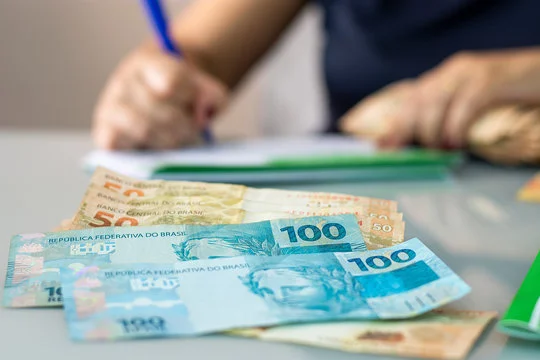
Beyond Retirement Age: Brazil's New Pension Reality Demands Radical Solutions
Beyond Retirement Age: Brazil’s New Pension Reality Demands Radical Solutions. (Photo Internet reproduction)
One-stop reference
Company Intelligence
Every listed company in Latin America — financials, ownership and structure for 1,450+ companies across 26 exchanges, in one place.
Browse the directory →
RT
Ask Rio Times
This story and the bigger picture.
Open the full Ask Rio Times →

The 2019 pension reform established minimum retirement ages of 62 for women and 65 for men. It temporarily improved deficits but proved insufficient for long-term sustainability.

Brazil Faces Mounting Pension Pressures

Brazil’s average retirement age remains low by international standards-54 compared to 64 in OECD countries. Modern work arrangements further complicate these challenges.

The growth of app-based work, self-employment, and “pejotization” has reduced formal employment relationships. Between 2019 and 2023, formalized self-employed workers increased by 27.4%, while informal private sector employees grew by 10.4%.

This shift impacts pension funding directly. The percentage of employers’ social contribution from wages declined from 5.63% in 2019 to 4.96% in 2024. With fewer formal workers contributing, the system struggles to support growing numbers of retirees.

Generation Z’s changing attitudes toward work add another layer of complexity. Many younger Brazilians prefer work flexibility and “micro-retirements” over traditional career paths leading to a single retirement.

Economists suggest several approaches for future reforms. Paulo Tafner, president of the Institute for Mobility and Social Development, argues that merely increasing the minimum age will no longer suffice.

He suggests creating a capitalization system and expanding pension contributions beyond formal work relationships. Shorter-term measures could include modifying the minimum wage real gain rule.

Another key step would be conducting thorough audits to identify irregularities in benefit concessions. For each R$1 increase in the minimum wage, the government spends R$400 million ($71 million) more on pensions and benefits.

Brazil’s pension challenges mirror global trends. Many countries are rethinking work and social protection systems as populations age and traditional employment patterns evolve.

This article was produced by The Rio Times’ automated newsroom system. How we use AI · Report an error

Read More from The Rio Times

The Rio Times · Power Map
See who really holds power in Latin America
Click to open the Power Map

Rotate for Best Experience

This report is optimized for landscape viewing. Rotate your phone for the full experience.