Bangladesh’s Elections: A Nexus of Domestic Unrest and Global Diplomacy
Bangladesh’s election season is turbulent, showcasing the contrasting diplomatic styles of India and the U.S.
Both countries support a stable, democratic Bangladesh but differ in their approaches.
The U.S. emphasizes fair elections, imposing visa restrictions on those undermining democracy.
India, however, views the election as an internal affair of Bangladesh, backing the democratic process.
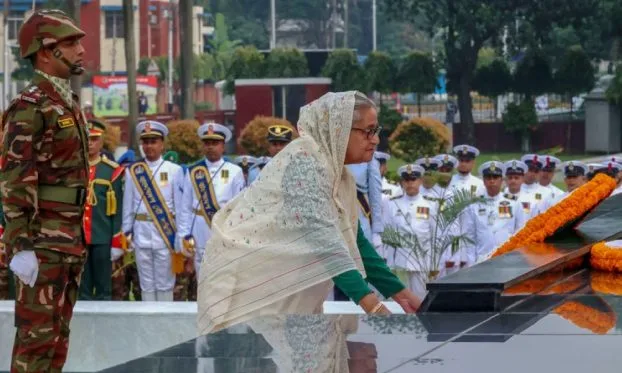
Prime Minister Sheikh Hasina, leading the Awami League, seeks a fourth term amid accusations of election manipulation, which she denies.
The opposition Bangladesh Nationalist Party (BNP) boycotts the election, demanding Hasina’s resignation and a neutral caretaker government.
India’s history of strained relations with the BNP, accused of harboring anti-India insurgents, influences its support for Hasina.
The U.S. stance is notably firm, concerned with democratic integrity in Bangladesh. This contrasts with India’s diplomatic approach, reflecting differing regional priorities.
The BNP’s use of the Bangladeshi diaspora in the U.S. brings attention to perceived democratic backsliding.
China’s role adds complexity, being a significant defense supplier and trade partner to Bangladesh.
China criticizes U.S. involvement, supporting Hasina’s government. This reflects Bangladesh’s strategic value in the Indo-Pacific.
Violent Clashes
Domestically, violent clashes between police, AL supporters, and BNP activists have escalated.
Thousands of BNP members face arrest amid the government’s crackdown on opposition tactics. This turmoil heightens the country’s political crisis.
Internationally, Western nations call for democratic improvements, maintaining a neutral stance.
The BNP welcomes this support, using it to legitimize its election boycott. India and China, supporting the current government, emphasize Bangladesh’s sovereignty over its elections.
The confrontational nature of Bangladesh’s politics intensifies, with both major parties tactically employing violence.
This approach perpetuates a cycle of street violence and police reprisals. The upcoming elections are unlikely to mend deep political divisions.
In this context, Bangladesh’s political landscape remains fraught with uncertainty. The need for political compromise is critical to shifting from zero-sum to more constructive politics.
However, the current path suggests an election that may only prolong the existing political crisis, challenging both domestic stability and international diplomatic relations.
This article was produced by The Rio Times’ automated newsroom system. How we use AI · Report an error
Read More from The Rio Times