Azul’s $650 Million Investment Marks Turning Point in Brazil’s Airline Crisis
Azul, Brazil’s largest airline by destinations served, finds itself at a crossroads. On August 1, the company announced a $650 million investment agreement as a key part of its plan to survive bankruptcy.
Official filings show that Azul filed for Chapter 11 bankruptcy protection in a U.S. court on May 28, 2025, with more than R$30 billion in debt—over $9 billion.
The perfect storm behind this crisis included pandemic lockdowns, a weak local currency, rising costs, and recent floods that hurt southern Brazil. This bankruptcy process lets Azul keep flying while it restructures.
The $650 million investment comes mainly from partners and creditors like United Airlines, American Airlines, AerCap, and global bondholders. These groups will invest in exchange for stakes in the company, hoping to restore Azul to health.
Azul has also secured $1.6 billion in emergency bankruptcy loans to keep planes in the air and jobs intact during this period. The new funds are not just to pay off debt but also to make Azul smaller and more efficient.
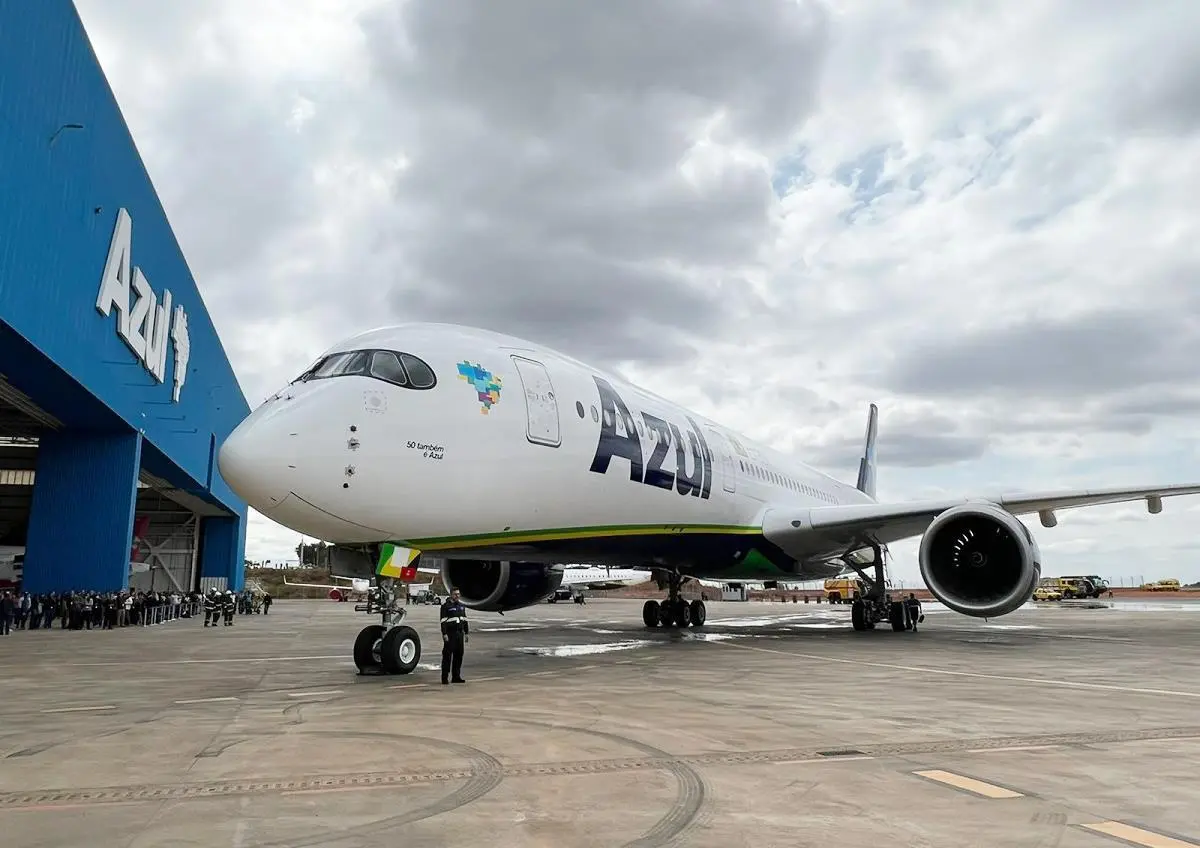
The company plans to cut over $2 billion in debt, shrink its fleet, and renegotiate leases and contracts. If a U.S. bankruptcy court approves the plan at a hearing this December, Azul expects to finish its restructuring and exit bankruptcy by March 2026.
Creditors would likely become major shareholders. Behind the figures lies a story of Brazil’s wider airline troubles. Azul is not alone; airlines across Latin America struggle with high costs and uncertain demand.
Azul carried 30 million passengers last year, linking distant cities across South America’s largest country and supporting thousands of jobs. Its survival affects more than just investors—it matters to the Brazilian economy and to ordinary travelers.
This deal is important because it shows how modern airlines depend on global partners and investors to survive big shocks.
The future of Brazil’s air travel now rides on Azul’s ability to use this investment to rebuild trust, cut costs, and keep flying. Official court and company records confirm every fact above, with no need for guessing or embellishment.
This article was produced by The Rio Times’ automated newsroom system. How we use AI · Report an error · Editorial responsibility: Matthias Camenzind, Editor-in-Chief
LatAm Markets: Live Signals → — real-time movers, turnover leaders and FX across Latin America.