Assaí Q2 Recurring Profit Up 94% to US$67M; Leverage Falls
Brazil · Business
Key Facts
—Recurring profit surged. Assaí’s recurring pre-IFRS 16 net income rose 93.6% to R$344 million (US$67.4 million).
—Tax credits lifted reported earnings. Reported pre-IFRS 16 profit more than doubled to R$537 million (US$105.3 million), including a net nonrecurring benefit from PIS/COFINS credits.
—Sales stayed soft. Gross revenue increased 2.4% to R$21.38 billion (US$4.19 billion), while net revenue advanced only 0.9%.
—Underlying EBITDA was flat. Adjusted pre-IFRS 16 EBITDA excluding PIS/COFINS credits slipped 0.7% to R$1.07 billion (US$209.9 million).
—Leverage fell sharply. Net debt plus discounted receivables declined to 2.37 times adjusted EBITDA, from 3.17 times a year earlier.
—Traffic reached a record. Monthly customer visits exceeded 40 million, up 3.4%, even as pressure on household budgets restrained the average ticket.
Assaí Q2 results delivered two very different messages: recurring profit nearly doubled and leverage reached its lowest level since 2021, while comparable sales and underlying EBITDA showed that the operating recovery remains incomplete.
That split makes the balance sheet, rather than rapid store growth, the central investment story. Assaí generated cash, spent less on expansion and reduced discounted receivables. The improvement below EBITDA helped profit, but indebted consumers, high interest rates and trading down continued to weigh on how much each customer put in the basket.
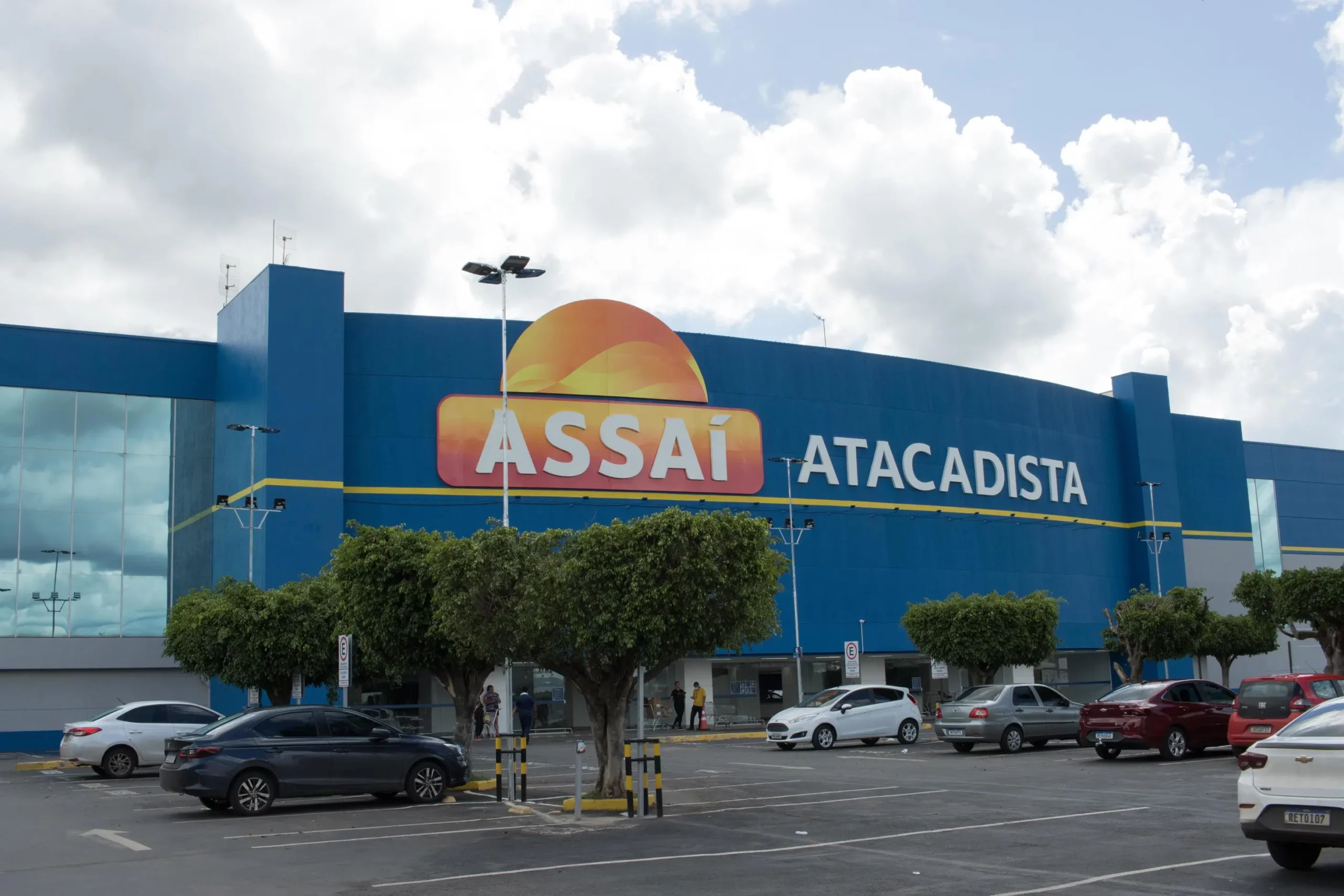
Profit Growth Came From More Than Store Operations
Recurring pre-IFRS 16 net income reached R$344 million (US$67.4 million), up 93.6% from R$177 million (US$34.7 million) a year earlier. Reported pre-IFRS 16 profit was R$537 million (US$105.3 million), an increase of 103.4%. The distinction is important because the reported figure includes tax effects that do not represent ordinary quarterly trading.
Assaí recognized about R$293 million (US$57.4 million) of PIS/COFINS credits tied to prior periods and another R$110 million (US$21.6 million) connected with recurring operations. After taxes, the company excluded R$193 million (US$37.8 million) from the reported profit to arrive at the recurring result. The credits were recorded as a reduction in cost of goods sold, so they also lifted reported gross profit and EBITDA.
The cleaner view therefore comes from the company’s operating measures excluding PIS/COFINS credits. On that basis, adjusted EBITDA was R$1.07 billion (US$209.9 million), down 0.7%, and its margin was broadly stable at 5.6%, compared with 5.7% a year earlier. Profit still benefited from a 25.5% improvement in the net financial result, whose cost fell to R$421 million (US$82.5 million).
Record Traffic, but Shoppers Kept Baskets Tight
| Metric | Q2 2026 | Year on year |
|---|---|---|
| Gross revenue | R$21.38bn / US$4.19bn | +2.4% |
| Net revenue | R$19.18bn / US$3.76bn | +0.9% |
| Same-store sales | +0.9% | Adjusted for calendar |
| Adjusted EBITDA, excluding credits | R$1.07bn / US$209.9m | −0.7% |
| Recurring net income | R$344m / US$67.4m | +93.6% |
| Leverage | 2.37x | −0.80x |
Gross revenue rose 2.4% to R$21.38 billion (US$4.19 billion). Net revenue increased 0.9% to R$19.18 billion (US$3.76 billion), with the gap partly reflecting changes in São Paulo’s tax-substitution regime. Assaí says gross revenue provides the more comparable base because the accounting change affects taxes deducted between gross and net sales without materially changing earnings in reais.
Same-store sales increased 0.9% after adjusting for a negative calendar effect of 1.4 percentage points. Management estimated that World Cup matches alone removed about 1 percentage point, as customers were less inclined to make large stock-up trips and stores closed earlier on match days.
Customer traffic told a stronger story than the sales line. Monthly visits rose 3.4% to more than 40 million, and same-store market share gained 0.3 percentage point. The combination of faster traffic and modest sales growth means the average basket remained under pressure. Assaí described a two-speed consumer economy in which lower-income households switched brands, package sizes and categories to protect constrained budgets.
Deleveraging Is Now the Clearest Source of Progress
Net debt plus discounted receivables fell by R$1.39 billion (about US$271.7 million) over 12 months to R$12.40 billion (US$2.43 billion). The leverage ratio declined to 2.37 times adjusted pre-IFRS 16 EBITDA, from 3.17 times in the second quarter of 2025 and 2.52 times in the first quarter of 2026. Assaí said this was its lowest leverage since the third quarter of 2021.
Part of the improvement reflects tax credits included in the trailing EBITDA denominator, but the company also cut discounted receivables by R$953 million (US$186.8 million) and reduced gross debt. Total cash availability, including undiscounted receivables with next-day liquidity, reached R$7.0 billion (US$1.37 billion).
Free cash flow over the last 12 months was R$2.72 billion (US$532.9 million), 1.3% above the comparable period. Gross capital expenditure fell 45.7% to R$88 million (US$17.2 million) in the quarter. The trade-off is explicit: Assaí is sacrificing expansion speed and preserving cash to lower financial risk after its heavy conversion-store investment cycle.
New Growth Projects Remain Small but Strategic
Assaí is adding growth options without returning to aggressive store expansion. It opened its first two Assaí Farma pharmacies in São Paulo in July and plans 25 units in the state by year-end, with long-term potential for about 250 locations. The company also launched more than 30 private-label products during the quarter.
Digital last-mile sales across platforms grew 237%, with coverage reaching 104 stores. The active customer base of the Meu Assaí app expanded 20%. These projects may improve identification, frequency and margins over time, but they remain secondary to the immediate tasks of restoring stronger comparable sales and maintaining deleveraging.
What to Watch Next
Underlying sales. Investors need to see whether same-store growth accelerates after the World Cup and whether traffic gains translate into larger baskets.
Continued deleveraging. Further progress from the current 2.37 times would confirm that the balance-sheet reset is continuing.
Interest costs. Further debt reduction and lower receivables discounting should determine how much flat operating profit converts into net income.
New business economics. Assaí Farma, private labels and digital sales must eventually contribute revenue and margin rather than only start-up costs.
More: Brazil news, every day from The Rio Times.
Frequently Asked Questions
What was Assaí’s recurring profit in Q2 2026?
Assaí reported recurring pre-IFRS 16 net income of R$344 million (US$67.4 million), an increase of 93.6% from a year earlier.
Why was Assaí’s reported profit higher than recurring profit?
Reported pre-IFRS 16 profit of R$537 million (US$105.3 million) included PIS/COFINS tax-credit effects. Assaí excluded a net R$193 million (US$37.8 million) tied to prior periods from its recurring result.
How much did Assaí’s revenue grow?
Gross revenue rose 2.4% to R$21.38 billion (US$4.19 billion), while net revenue grew 0.9% to R$19.18 billion (US$3.76 billion). Same-store sales increased 0.9% after calendar adjustments.
What was Assaí’s leverage at the end of Q2?
Net debt plus discounted receivables equaled 2.37 times adjusted pre-IFRS 16 EBITDA, down from 3.17 times a year earlier.
What should investors watch in Assaí’s next results?
The main tests are stronger same-store sales, continued deleveraging from 2.37 times, lower interest costs and evidence that pharmacy, private-label and digital initiatives can add profitable growth.
Sources
- Assaí Atacadista: official second-quarter 2026 earnings release, August 6, 2026
- Assaí Atacadista investor relations: results center
- Central Bank of Brazil: August 6, 2026 PTAX selling rate of R$5.1017 per US dollar
- Assaí Atacadista: official editorial photo gallery
This article was drafted with automated assistance and reviewed before publication. How we use AI · Report an error
Read More from The Rio Times