Asia Intelligence Brief — Wednesday, October 14, 2026
Executive Summary
Asia Intelligence Brief for October 14: China's export surge draws IMF rebalancing pressure, Japan protests Chinese visit to disputed island, and Taiwan.
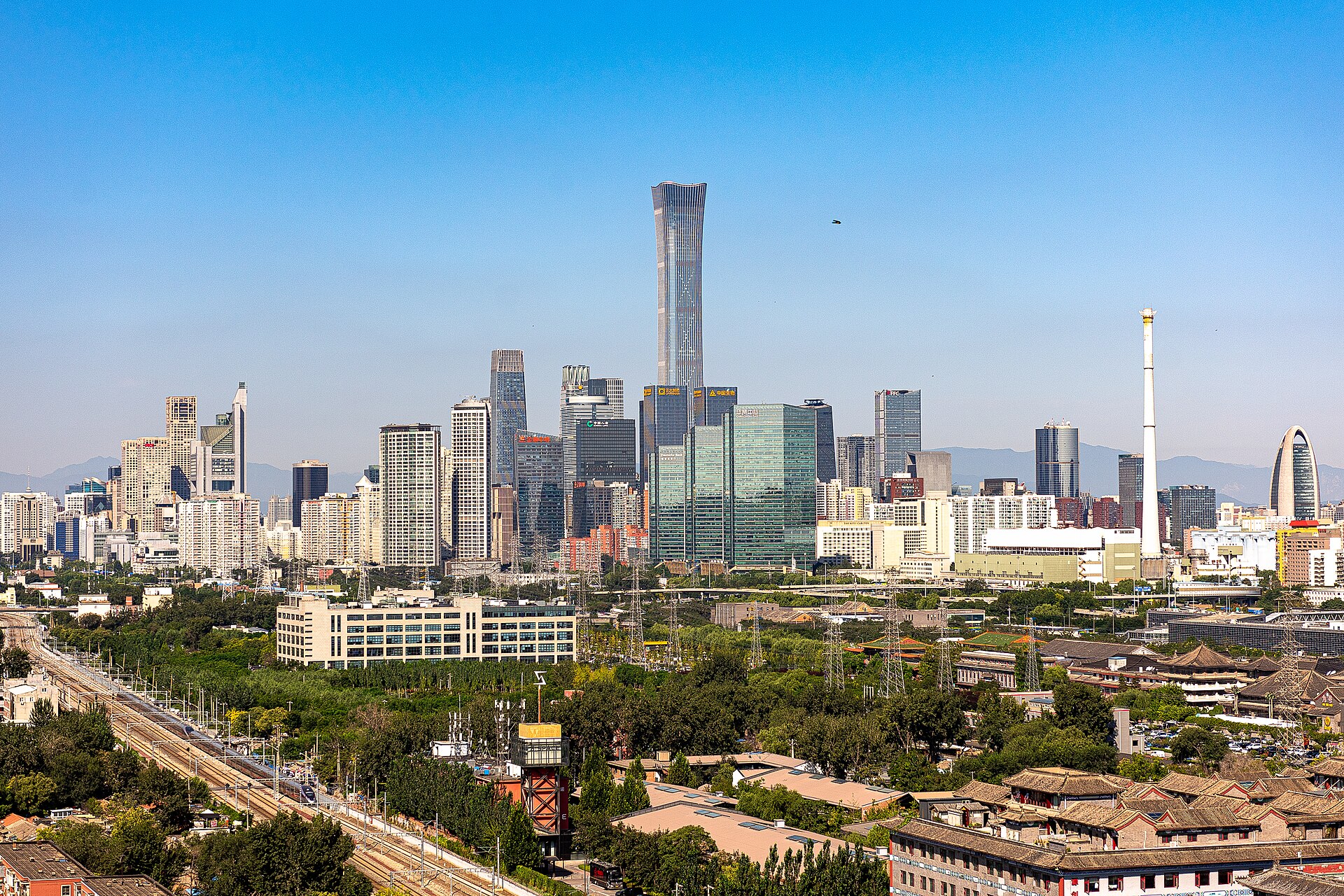
Asia’s mood on Wednesday is one of strength that has begun to feel like exposure, as China’s extraordinary export performance collides with international pressure to rebalance its economy. The Straits Times reported on 14 October 2026 that China’s September exports rose 36.3 per cent year on year and the trade surplus reached US$133.53 billion, figures that project industrial might but also sharpen the sense that the region’s growth model is lopsided.
The register is corrective and defensive, with institutions and governments speaking through warnings, protests and policy holds rather than celebration. IMF Managing Director Kristalina Georgieva said China needed to shift from export-led growth towards domestic consumption, while Japan’s Foreign Minister Toshimitsu Motegi told Parliament that a Chinese delegation’s visit to a Russian-held island claimed by Tokyo was “completely unacceptable”, The Straits Times reported on 14 October 2026. Publics are absorbing a day in which economic data, territorial disputes and maritime incidents all point in the same direction: Asia’s ambitions are colliding with its dependencies.
The through-line is the cost of asymmetry. China’s surplus with the United States reached US$34.01 billion and with the European Union US$34.8 billion in September, according to The Straits Times on 14 October 2026, while the IMF’s call for domestic consumption signals that this export dependence is now a strategic liability, not just an economic strength. Governments across the region are managing the consequences of that asymmetry, from Tokyo’s sovereignty protests to Singapore’s inflation warnings, and the day reveals how tightly economic and security anxieties have become fused.
Key Facts
China trade surplus. China’s September trade surplus reached US$133.53 billion on 14 October 2026.
Singapore growth. Singapore’s GDP grew 5.4 per cent year on year in the third quarter of 2026.
Japan protest. Japan protested a Chinese delegation’s visit to Iturup, controlled by Russia, on 13 October.
Taiwan submarine. Taiwan’s prototype submarine Hai Kun conducted its 24th sea trial on 13 October.
Polysilicon floor. Chinese producers agreed a price floor of 43,000 yuan per tonne, about US$6,425.
China: Export Power Becomes Strategic Exposure
China’s September trade figures are a display of industrial capacity that has outgrown its political comfort zone. The Straits Times reported on 14 October 2026 that exports rose 36.3 per cent year on year and imports increased 31.0 per cent, yet the same day brought the IMF’s warning that Beijing must pivot towards domestic consumption. The mood is confident but cornered, because every new surplus figure gives trading partners another reason to demand adjustment.
The polysilicon price-floor agreement reported by Caixin on 14 October 2026, at 43,000 yuan per tonne or about US$6,425, shows Beijing’s industrial planners trying to stabilise a sector suffering from overcapacity. For a US reader, the day illustrates that China’s export machine is now generating friction on multiple fronts, from Washington’s trade complaints to the IMF’s structural critique.
Japan: Sovereignty Anxiety Sharpens
Japan’s protest over a Chinese delegation’s visit to Iturup, known in Japan as Etorofu and controlled by Russia, reveals a government that feels encircled by two powers at once. Foreign Minister Toshimitsu Motegi told Parliament on 14 October 2026 that treating the islands as Russian territory was “completely unacceptable”, The Straits Times reported that day. The mood is defensive and legalistic, with Tokyo insisting on its territorial claims even as it lacks the leverage to prevent such visits.
The incident matters because it links Japan’s dispute with Russia to its rivalry with China, creating a single front of perceived pressure. For a US reader, Japan’s reaction signals that Tokyo will not quietly accept Chinese-Russian coordination in its near abroad, even when the immediate stakes are symbolic.
Taiwan: Deterrence Under Pressure
Taiwan is managing two simultaneous tests: a maritime confrontation near the Pratas Islands and the quiet accumulation of defence capability. Chen Binhua, spokesperson for China’s Taiwan Affairs Office, said Taiwan must “bear the consequences” after its Coast Guard used a water cannon against a Chinese fishing boat, The Straits Times reported on 14 October 2026. The mood is one of deterrence without escalation, as Taipei holds its ground while avoiding a larger rupture.
The Hai Kun submarine’s 24th sea trial, reported by Taipei Times on 14 October 2026, shows that Taiwan is investing in asymmetric capabilities precisely because it cannot match China’s conventional strength. For a US reader, the convergence of these events underscores how quickly routine enforcement can become a flashpoint in the Taiwan Strait.
Singapore: Resilient But Watchful
Singapore’s economy is still growing, but the pace is moderating and the central bank is signalling caution about inflation. The Ministry of Trade and Industry reported on 14 October 2026 that GDP grew 5.4 per cent year on year in the third quarter, down from 5.9 per cent in the second, while the Monetary Authority of Singapore kept its exchange-rate policy band unchanged and said it would lean against a near-term rise in imported inflation, with inflationary pressures easing gradually in 2027. The mood is resilient but watchful, with policymakers choosing stability over stimulus.
Singapore’s position as a trade bellwether makes its moderation a signal for the wider region: growth is intact, but the momentum is fading. For a US reader, the city-state’s caution suggests that Asian central banks are preparing for a period of persistent cost pressures rather than a quick return to low inflation.
Vietnam: Diversification As Strategy
The Straits Times reported on 14 October 2026 that Vietnam and the European Free Trade Association, Switzerland, Norway, Iceland and Liechtenstein, were preparing to sign the deal in Hanoi on Sunday, 18 October 2026. The mood is commercially ambitious, with Hanoi positioning itself as a reliable partner for economies seeking alternatives to both Chinese and American dominance.
Swiss Economy Minister Guy Parmelin is scheduled to attend the signing, which signals that European governments see Vietnam as a strategic manufacturing and trade node. For a US reader, Vietnam’s move illustrates how mid-sized Asian economies are hedging against great-power friction by building independent trade architectures.
What This Means From Latin America
China’s September export surge of 36.3 per cent and its US$133.53 billion monthly surplus, reported by The Straits Times on 14 October 2026, signal that Chinese manufacturers will remain aggressive competitors in global markets. Latin American producers of manufactured goods and processed commodities may face sustained price pressure as Chinese firms seek outlets for their output. The polysilicon price-floor effort reported by Caixin on 14 October 2026 is directly relevant to Latin American solar supply chains, because Chinese producers dominate the global market for solar-grade materials.
Vietnam’s planned EFTA agreement also matters for Latin America, as it shows Asian economies are moving quickly to secure European market access that Latin American exporters also seek. The maritime tensions near the Pratas Islands reinforce the strategic importance of uninterrupted Pacific sea lanes, on which Latin American trade with Asia depends.
What We Are Watching
- Thursday 15 October, 01:30 Lisbon time: Australia unemployment rate — The September figure is forecast at 4.6 per cent, unchanged from August. The reading will test whether the labour market is cooling enough to ease inflation pressures.
- Thursday 15 October, 10:00 Lisbon time: India balance of trade A smaller deficit would signal softer import demand or stronger exports.
- Thursday 15 October: New Yalu River Bridge opening — The China-North Korea border crossing is scheduled to open with a joint ceremony, The Straits Times reported on 14 October 2026. The event marks a visible step in Pyongyang’s alignment with Beijing.
- Friday 16 October, 00:00 Lisbon time: South Korea unemployment rate A rise would suggest that external pressures are beginning to affect the labour market.
- Sunday 18 October: Vietnam-EFTA free-trade agreement signing — The ceremony is planned for Hanoi, with Swiss Economy Minister Guy Parmelin attending, The Straits Times reported on 14 October 2026. The deal would deepen Vietnam’s European commercial ties.
- Monday 19 October, 03:00 Lisbon time: China third-quarter GDP The figure will test whether export strength is translating into broader economic momentum.
Frequently Asked Questions
Why is China’s export surge causing concern?
China’s September exports rose 36.3 per cent year on year and the trade surplus reached US$133.53 billion, The Straits Times reported on 14 October 2026. The IMF’s Kristalina Georgieva said China needed to shift towards domestic consumption, signalling that the export-led model is now seen as a structural vulnerability.
What is the dispute between Japan and China over the Northern Territories?
Japan protested a Chinese delegation’s visit to Iturup, known in Japan as Etorofu and controlled by Russia, on 13 October. Foreign Minister Toshimitsu Motegi told Parliament that treating the islands as Russian territory was “completely unacceptable”.
What happened near the Pratas Islands?
Taiwan’s Coast Guard used a water cannon against a Chinese fishing boat near the Taiwan-controlled Pratas Islands, The Straits Times reported on 14 October 2026. China’s Taiwan Affairs Office spokesperson Chen Binhua said Taiwan must “bear the consequences”, escalating the diplomatic tension.
How is Singapore’s economy performing?
Singapore’s GDP grew 5.4 per cent year on year in the third quarter of 2026, down from 5.9 per cent in the second, according to the Ministry of Trade and Industry on 14 October 2026. The Monetary Authority of Singapore kept its exchange-rate policy unchanged and said it would lean against a near-term rise in imported inflation, with inflationary pressures easing gradually in 2027.
This article was produced by The Rio Times’ automated newsroom system. How we use AI · Report an error · Editorial responsibility: Matthias Camenzind, Editor-in-Chief
LatAm Markets: Live Signals → — real-time movers, turnover leaders and FX across Latin America.