Chef Narda Lepes Wants Latin America to Rethink Food
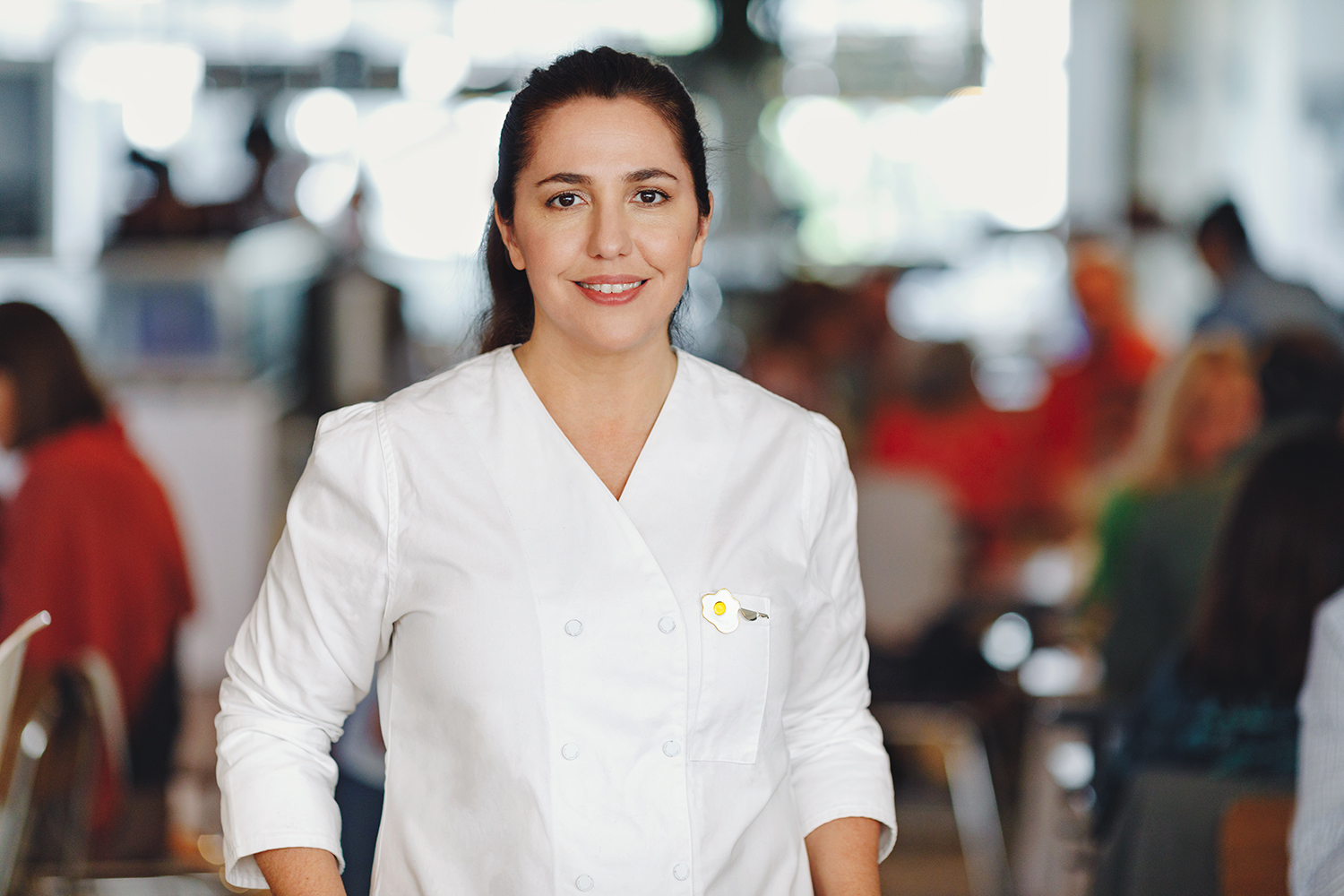
Argentina · Culture
Key Facts
—Who she is. Born in Buenos Aires in 1972, Narda Lepes is one of Argentina’s most recognized chefs, named Latin America’s Best Female Chef in 2020 — the first and so far only Argentine woman to win it.
—Her argument. She says Latin American cuisine cannot advance if only expensive restaurants talk among themselves, and champions humble, everyday “ugly” food.
—Her cause. Food education in schools, which she calls as important as reading and writing, and a healthier relationship with what we eat.
—Her kitchen. Narda Comedor, opened in 2017, made Latin America’s 50 Best Restaurants and built a vegetable-forward identity in beef-loving Argentina.
—Her reach. A campaigner for Argentina’s front-of-package food-labelling law and a mentor whose former cooks now run some of Buenos Aires’s most acclaimed restaurants.
One of the region’s most influential cooks has built a career on a contrarian idea: that the future of Latin American food lies not in tasting menus but in teaching people how to eat a vegetable.
Why Narda Lepes rejects the fine-dining bubble
Narda Lepes has spent three decades arguing with the food world she belongs to. One of Argentina’s most recognizable chefs — a television presenter, author and restaurateur known to the public simply by her first name — she has lately sharpened a critique that cuts against the grain of her own industry: that Latin American cuisine will not move forward if the only people discussing it are expensive restaurants speaking to one another. Real progress, she argues, depends on reaching ordinary kitchens and ordinary eaters, not on accumulating accolades at the top of the pyramid. It is a pointed stance from someone who has plenty of accolades herself.
Part of that argument is a defence of what she calls “ugly” food — the humble, unglamorous dishes that rarely photograph well but carry the real texture of a region’s cooking. For Lepes, the obsession with refinement and presentation has crowded out a more useful conversation about seasonality, waste and knowing how to handle what is actually in front of you. She likes to tell the story of friends who send her photos of vegetables they have cooked and ruined, asking what went wrong, because nobody ever taught them when something is ready to eat. That gap, in her telling, is the real crisis — not a shortage of tasting menus, but a lost everyday literacy about food.
A vegetable-first kitchen in a beef country
Lepes’s cooking puts that philosophy on the plate. In 2017 she opened Narda Comedor in Buenos Aires with a deliberately provocative premise for Argentina: a restaurant where vegetables take centre stage and meat, when it appears, is the supporting act. Signature dishes have inverted the national hierarchy — onion bathed in a long-reduced beef broth, cabbage with cauliflower purée — making the point that plants can carry a meal in the land of the asado. Within three years the restaurant had entered Latin America’s 50 Best Restaurants list, and in 2020 the same organisation named her the region’s Best Female Chef, citing her leadership and her influence on younger cooks. Her Buenos Aires venues have since drawn recommendations in the Michelin guide.
Her influence runs through the people she has trained as much as the food she serves. Over years of running cooking shows and a catering business that staged meals in unexpected places — including the stands of the Bombonera football stadium — Lepes assembled and mentored a generation of cooks who now lead some of the Argentine capital’s most talked-about kitchens, among them the chefs behind Gran Dabbang, Ness and Naranjo. That role as an incubator of talent, colleagues say, may be her most lasting contribution to the country’s food scene, seeding it with a cohort schooled in fresh ingredients, sustainability and, pointedly, decent working conditions.
More: Argentina news in English, every day from The Rio Times.
Food as a public cause
Beyond the restaurant, Lepes has turned eating into an explicitly political project. She was among the most consistent champions of Argentina’s front-of-package food-labelling law, which requires clear black warning seals on products high in sugar, salt, fat and calories, and she has pushed for that battle to extend into classrooms. Food education, she insists, is as important as reading and writing, and best begun young — somewhere between the ages of seven and eleven, when children are open to understanding the world differently. She has worked with engineers, programmers and designers on an app explaining what each fruit and vegetable is and how to cook it, the kind of basic knowledge she argues should already be taught in schools but is not.
Her diagnosis is blunt: our relationship with food, she says, is broken, and the word “healthy” alone fixes nothing. She has lately taken that message onto international stages, serving on the international council of Spain’s Basque Culinary Center and pressing fellow chefs not to let pessimism set the menu in a region where restaurants open and close like umbrellas in a storm. The answer, in her mantra, is to make and gather, make and gather — to keep cooking, keep convening, and keep insisting that the most important conversation about Latin American food is not happening in its most expensive dining rooms. For a chef with every credential the fine-dining world can offer, it is a deliberately unglamorous bet on where the region’s cuisine actually grows.
Frequently Asked Questions
Who is Narda Lepes?
An Argentine chef, author and television presenter born in 1972, named Latin America’s Best Female Chef in 2020 — the first and so far only Argentine woman to win the title.
What is her main argument?
That Latin American cuisine cannot advance if only elite restaurants talk among themselves; she champions humble everyday food and food education in schools.
What is Narda Comedor?
Her Buenos Aires restaurant, opened in 2017, built on a vegetable-forward menu unusual for beef-centric Argentina, and listed among Latin America’s 50 Best Restaurants.
What causes does she campaign for?
Argentina’s front-of-package food-labelling law and the teaching of food education in schools, which she considers as fundamental as literacy.
Connected Coverage
Lepes is one of the defining figures in a Latin American food scene that has drawn growing global attention, from Buenos Aires’s vegetable-forward kitchens to the region’s expanding presence on the world’s best-restaurant lists.
This article was produced by The Rio Times’ automated newsroom system. How we use AI · Report an error · Editorial responsibility: Matthias Camenzind, Editor-in-Chief