IBOV 173,825.27 ▼ 1.24% IPSA 10,947.38 ▼ 0.70% IPC MEX 66,358.81 ▼ 0.08% MERVAL 3,185,257 ▼ 3.22% COLCAP 2,285.11 ▼ 0.30% BVL PERÚ 57,112.22 — — USD/BRL5.10▲ 0.01% USD/MXN17.47▲ 0.28% USD/CLP924.00▼ 0.22% USD/COP3,227▼ 0.13% USD/PEN3.39▲ 0.21% USD/ARS1,475▼ 0.03% USD/UYU40.18▲ 1.61% USD/PYG6,030▲ 1.78% USD/BOB10.63▲ 4.17% USD/DOP58.39▲ 1.63% USD/CRC447.87▲ 1.83% USD/GTQ7.62▲ 2.69% USD/HNL26.73▲ 1.94% USD/NIO36.62▲ 1.17% USD/VES730.65▲ 0.57% USD/PAB1.00— 0.00% USD/BZD2.00— 0.00% USD/JMD157.49▲ 0.31% USD/TTD6.75▲ 1.34% EUR/BRL5.84▲ 0.05% BRENT 85.27 ▲ 1.23% WTI 79.46 ▲ 0.65% IRON ORE 161.91 — — COPPER 6.20 ▼ 1.48% GOLD 3,997 ▲ 0.30% SILVER 55.74 ▼ 0.29% SOY 1,190 ▼ 0.42% CORN 461.50 ▲ 4.53% WHEAT 672.00 ▼ 0.41% COFFEE 300.00 ▼ 6.63% SUGAR 14.50 ▲ 0.42% ORANGE JUICE 134.95 ▼ 2.81% COTTON 77.88 ▲ 0.24% COCOA 5,642 ▲ 8.17% BEEF 223.05 ▼ 3.07% CATTLE 346.88 ▼ 0.88% LITHIUM 68.86 ▼ 3.10% PETR4 39.89 ▼ 1.72% VALE3 72.98 ▼ 2.05% ITUB4 42.55 ▼ 1.37% BBDC4 18.41 ▼ 1.02% ABEV3 15.60 ▲ 0.19% BBAS3 20.76 ▲ 1.02% B3SA3 15.39 ▼ 1.91% WEGE3 43.49 ▼ 1.74% PRIO3 56.79 ▼ 1.23% SUZB3 41.70 ▲ 0.53% RENT3 38.86 ▼ 3.69% AZZA3 18.53 ▼ 0.70% CSAN3 3.88 ▼ 1.27% RAIZ4 0.29 — 0.00% PCAR3 2.59 ▼ 1.15% GMAT3 3.92 ▼ 1.51% PSSA3 55.22 — 0.00% CVCB3 1.35 ▲ 0.75% POSI3 3.88 ▼ 1.77% SLCE3 13.61 ▲ 0.81% NATU3 8.56 ▼ 1.27% BRKM5 6.10 ▼ 4.84% RANI3 8.08 ▲ 1.25% CSNA3 5.10 ▼ 2.67% CMIN3 5.45 ▲ 4.01% USIM5 7.90 ▼ 3.66% GGBR4 23.91 ▼ 1.20% ENEV3 25.95 ▼ 3.71% CPFE3 47.19 ▲ 0.77% CMIG4 11.09 ▼ 0.54% EQTL3 39.85 ▼ 1.19% LREN3 13.65 ▼ 3.19% VIVT3 35.47 — 0.00% RAIL3 13.93 ▼ 1.00% KLABIN 17.36 ▼ 0.17% RAIA DROGASIL 18.52 ▼ 0.80% RDOR3 35.87 ▼ 0.39% HAPV3 10.95 ▼ 0.36% FLRY3 16.42 ▼ 0.55% SMTO3 15.72 ▲ 1.22% UGPA3 31.99 ▲ 2.86% VBBR3 34.37 ▲ 1.84% BBSE3 41.18 ▲ 1.15% BPAC11 56.59 ▼ 0.79% CURY3 31.29 ▼ 4.40% AERI3 2.02 — 0.00% VIVARA 23.35 ▼ 0.72% COMPASS 24.91 ▼ 0.80% VAMOS 3.16 ▲ 1.28% SANB11 26.83 ▼ 0.63% ASAI3 8.56 ▼ 1.15% SBSP3 29.30 ▼ 2.27% WALMEX 49.59 ▼ 0.22% GMEXICO 198.85 ▼ 0.68% FEMSA 225.20 ▲ 0.86% CEMEX 22.74 ▲ 0.53% GFNORTE 180.87 ▼ 1.41% BIMBO 58.25 ▲ 1.27% TELEVISA 9.52 ▼ 0.42% AMX 22.78 ▼ 0.09% GAP 391.88 ▼ 1.31% ASUR 280.94 ▼ 0.89% OMA 231.98 ▼ 1.37% KOF 179.47 ▲ 1.42% GRUMA 286.75 ▲ 1.92% KIMBER 38.91 ▲ 0.65% SQM-B 66,050 ▼ 2.72% COPEC 6,126 ▼ 1.35% BSANTANDER 78.16 ▼ 0.61% FALABELLA 5,853 ▼ 0.37% ENELAM 84.80 ▼ 1.11% CENCOSUD 2,005 ▼ 1.72% CMPC 1,074 ▼ 2.63% BANCO CHILE 188.88 ▼ 0.33% LATAM AIR 25.40 ▲ 2.01% YPF 75,975 ▼ 3.28% GGAL 7,860 ▼ 4.20% PAMPA 5,110 ▼ 2.48% TXAR 664.00 ▼ 1.04% ALUAR 940.00 ▼ 2.03% TGS 9,360 ▼ 4.00% CEPU 2,265 ▼ 3.37% MIRGOR 16,850 ▼ 0.74% COME 44.60 ▼ 2.26% LOMA NEGRA 3,550 ▼ 1.73% BYMA 300.50 ▼ 1.15% TELECOM ARG 4,198 ▼ 2.72% ECOPETROL 15.82 ▼ 1.00% BANCOLOMBIA 79.47 ▼ 2.55% GRUPO AVAL 4.97 ▼ 1.19% CREDICORP 387.44 ▼ 2.70% SOUTHERN COPPER 175.66 ▼ 3.24% BUENAVENTURA 30.17 ▼ 1.76% MERCADOLIBRE 1,857 ▲ 0.77% NUBANK 13.79 ▼ 0.65% XP 16.68 ▼ 1.13% PAGSEGURO 9.15 ▼ 0.65% STONE 11.20 ▼ 0.71% GLOBANT 32.20 ▲ 0.69% TECNOGLASS 46.83 ▲ 2.54% GAP AIRPORT 225.96 ▼ 0.81% ASUR 280.94 ▼ 0.89% OMA AIRPORT 107.21 ▼ 0.64% AMX ADR 26.14 ▲ 0.11% FEMSA ADR 129.49 ▲ 0.56% CEMEX ADR 13.10 ▲ 0.23% PETROBRAS ADR 17.47 ▼ 2.18% VALE ADR 14.22 ▼ 3.07% ITAU ADR 8.30 ▼ 1.78% SANTANDER BR 5.30 ▼ 0.93% AMBEV ADR 3.05 ▲ 0.66% CSN 1.00 ▼ 2.91% GERDAU 4.72 ▼ 1.77% LATAM ADR 53.18 ▼ 3.08% BTC 62,898 ▼ 1.40% ETH 1,831 ▼ 1.74% SOL 74.56 ▼ 0.95% XRP 1.09 — 0.00% BNB 564.72 ▼ 1.31% ADA 0.16 ▼ 0.29% DOGE 0.07 ▼ 1.14% AVAX 6.48 ▼ 0.41% LINK 8.18 ▼ 1.78% DOT 0.85 ▼ 0.44% LTC 44.45 ▼ 1.10% BCH 222.88 ▲ 0.57% TRX 0.32 ▼ 0.29% XLM 0.18 ▼ 0.93% HBAR 0.07 ▼ 0.60% NEAR 1.91 ▼ 2.78% ATOM 1.50 ▼ 0.38% AAVE 90.54 ▼ 0.65% SELIC 14.25% EMBRAER 81.77 ▼ 0.70% EMBRAER ADR 64.37 ▼ 0.82% JBS 12.03 ▼ 0.58% JBS BDR 61.50 ▲ 0.11% MBRF3 15.29 ▼ 0.71% MBRFY 2.93 ▲ 2.09% INTER 5.54 ▼ 1.42% IBOV 173,825.27 ▼ 1.24% IPSA 10,947.38 ▼ 0.70% IPC MEX 66,358.81 ▼ 0.08% MERVAL 3,185,257 ▼ 3.22% COLCAP 2,285.11 ▼ 0.30% BVL PERÚ 57,112.22 — — USD/BRL 5.10 ▲ 0.01% USD/MXN 17.47 ▲ 0.28% USD/CLP 924.00 ▼ 0.22% USD/COP 3,227 ▼ 0.13% USD/PEN 3.39 ▲ 0.21% USD/ARS 1,475 ▼ 0.03% USD/UYU 40.18 ▲ 1.61% USD/PYG 6,030 ▲ 1.78% USD/BOB 10.63 ▲ 4.17% USD/DOP 58.39 ▲ 1.63% USD/CRC 447.87 ▲ 1.83% USD/GTQ 7.62 ▲ 2.69% USD/HNL 26.73 ▲ 1.94% USD/NIO 36.62 ▲ 1.17% USD/VES 730.65 ▲ 0.57% USD/PAB 1.00 — 0.00% USD/BZD 2.00 — 0.00% USD/JMD 157.49 ▲ 0.80% USD/TTD 6.75 ▲ 1.81% EUR/BRL 5.84 ▲ 0.05% BRENT 85.27 ▲ 1.23% WTI 79.46 ▲ 0.65% IRON ORE 161.91 — — COPPER 6.20 ▼ 1.48% GOLD 3,997 ▲ 0.30% SILVER 55.74 ▼ 0.29% SOY 1,190 ▼ 0.42% CORN 461.50 ▲ 4.53% WHEAT 672.00 ▼ 0.41% COFFEE 300.00 ▼ 6.63% SUGAR 14.50 ▲ 0.42% ORANGE JUICE 134.95 ▼ 2.81% COTTON 77.88 ▲ 0.24% COCOA 5,642 ▲ 8.17% BEEF 223.05 ▼ 3.07% CATTLE 346.88 ▼ 0.88% LITHIUM 68.86 ▼ 3.10% PETR4 39.89 ▼ 1.72% VALE3 72.98 ▼ 2.05% ITUB4 42.55 ▼ 1.37% BBDC4 18.41 ▼ 1.02% ABEV3 15.60 ▲ 0.19% BBAS3 20.76 ▲ 1.02% B3SA3 15.39 ▼ 1.91% WEGE3 43.49 ▼ 1.74% PRIO3 56.79 ▼ 1.23% SUZB3 41.70 ▲ 0.53% RENT3 38.86 ▼ 3.69% AZZA3 18.53 ▼ 0.70% CSAN3 3.88 ▼ 1.27% RAIZ4 0.29 — 0.00% PCAR3 2.59 ▼ 1.15% GMAT3 3.92 ▼ 1.51% PSSA3 55.22 — 0.00% CVCB3 1.35 ▲ 0.75% POSI3 3.88 ▼ 1.77% SLCE3 13.61 ▲ 0.81% NATU3 8.56 ▼ 1.27% BRKM5 6.10 ▼ 4.84% RANI3 8.08 ▲ 1.25% CSNA3 5.10 ▼ 2.67% CMIN3 5.45 ▲ 4.01% USIM5 7.90 ▼ 3.66% GGBR4 23.91 ▼ 1.20% ENEV3 25.95 ▼ 3.71% CPFE3 47.19 ▲ 0.77% CMIG4 11.09 ▼ 0.54% EQTL3 39.85 ▼ 1.19% LREN3 13.65 ▼ 3.19% VIVT3 35.47 — 0.00% RAIL3 13.93 ▼ 1.00% KLABIN 17.36 ▼ 0.17% RAIA DROGASIL 18.52 ▼ 0.80% RDOR3 35.87 ▼ 0.39% HAPV3 10.95 ▼ 0.36% FLRY3 16.42 ▼ 0.55% SMTO3 15.72 ▲ 1.22% UGPA3 31.99 ▲ 2.86% VBBR3 34.37 ▲ 1.84% BBSE3 41.18 ▲ 1.15% BPAC11 56.59 ▼ 0.79% CURY3 31.29 ▼ 4.40% AERI3 2.02 — 0.00% VIVARA 23.35 ▼ 0.72% COMPASS 24.91 ▼ 0.80% VAMOS 3.16 ▲ 1.28% SANB11 26.83 ▼ 0.63% ASAI3 8.56 ▼ 1.15% SBSP3 29.30 ▼ 2.27% WALMEX 49.59 ▼ 0.22% GMEXICO 198.85 ▼ 0.68% FEMSA 225.20 ▲ 0.86% CEMEX 22.74 ▲ 0.53% GFNORTE 180.87 ▼ 1.41% BIMBO 58.25 ▲ 1.27% TELEVISA 9.52 ▼ 0.42% AMX 22.78 ▼ 0.09% GAP 391.88 ▼ 1.31% ASUR 280.94 ▼ 0.89% OMA 231.98 ▼ 1.37% KOF 179.47 ▲ 1.42% GRUMA 286.75 ▲ 1.92% KIMBER 38.91 ▲ 0.65% SQM-B 66,050 ▼ 2.72% COPEC 6,126 ▼ 1.35% BSANTANDER 78.16 ▼ 0.61% FALABELLA 5,853 ▼ 0.37% ENELAM 84.80 ▼ 1.11% CENCOSUD 2,005 ▼ 1.72% CMPC 1,074 ▼ 2.63% BANCO CHILE 188.88 ▼ 0.33% LATAM AIR 25.40 ▲ 2.01% YPF 75,975 ▼ 3.28% GGAL 7,860 ▼ 4.20% PAMPA 5,110 ▼ 2.48% TXAR 664.00 ▼ 1.04% ALUAR 940.00 ▼ 2.03% TGS 9,360 ▼ 4.00% CEPU 2,265 ▼ 3.37% MIRGOR 16,850 ▼ 0.74% COME 44.60 ▼ 2.26% LOMA NEGRA 3,550 ▼ 1.73% BYMA 300.50 ▼ 1.15% TELECOM ARG 4,198 ▼ 2.72% ECOPETROL 15.82 ▼ 1.00% BANCOLOMBIA 79.47 ▼ 2.55% GRUPO AVAL 4.97 ▼ 1.19% CREDICORP 387.44 ▼ 2.70% SOUTHERN COPPER 175.66 ▼ 3.24% BUENAVENTURA 30.17 ▼ 1.76% MERCADOLIBRE 1,857 ▲ 0.77% NUBANK 13.79 ▼ 0.65% XP 16.68 ▼ 1.13% PAGSEGURO 9.15 ▼ 0.65% STONE 11.20 ▼ 0.71% GLOBANT 32.20 ▲ 0.69% TECNOGLASS 46.83 ▲ 2.54% GAP AIRPORT 225.96 ▼ 0.81% ASUR 280.94 ▼ 0.89% OMA AIRPORT 107.21 ▼ 0.64% AMX ADR 26.14 ▲ 0.11% FEMSA ADR 129.49 ▲ 0.56% CEMEX ADR 13.10 ▲ 0.23% PETROBRAS ADR 17.47 ▼ 2.18% VALE ADR 14.22 ▼ 3.07% ITAU ADR 8.30 ▼ 1.78% SANTANDER BR 5.30 ▼ 0.93% AMBEV ADR 3.05 ▲ 0.66% CSN 1.00 ▼ 2.91% GERDAU 4.72 ▼ 1.77% LATAM ADR 53.18 ▼ 3.08% BTC 62,898 ▼ 1.40% ETH 1,831 ▼ 1.74% SOL 74.56 ▼ 0.95% XRP 1.09 — 0.00% BNB 564.72 ▼ 1.31% ADA 0.16 ▼ 0.29% DOGE 0.07 ▼ 1.14% AVAX 6.48 ▼ 0.41% LINK 8.18 ▼ 1.78% DOT 0.85 ▼ 0.44% LTC 44.45 ▼ 1.10% BCH 222.88 ▲ 0.57% TRX 0.32 ▼ 0.29% XLM 0.18 ▼ 0.93% HBAR 0.07 ▼ 0.60% NEAR 1.91 ▼ 2.78% ATOM 1.50 ▼ 0.38% AAVE 90.54 ▼ 0.65% SELIC 14.25% EMBRAER 81.77 ▼ 0.70% EMBRAER ADR 64.37 ▼ 0.82% JBS 12.03 ▼ 0.58% JBS BDR 61.50 ▲ 0.11% MBRF3 15.29 ▼ 0.71% MBRFY 2.93 ▲ 2.09% INTER 5.54 ▼ 1.42%
since 2009
Friday, July 17, 2026

One Oil Shock, Two Africas: How a Single Price Move Split a Continent
By · June 23, 2026 · 6 min read

Africa Intelligence

A daily Africa read from a Latin American newsroom. Free.

By subscribing you agree to our privacy policy. We never share your email.

Economy

Key Facts

The split. A jump in oil prices divided Africa cleanly: countries that export oil gained, while the larger number that import it paid more.
The downgrade. The World Bank trimmed its 2026 growth forecast for sub-Saharan Africa, holding it at 4.1% but revising it down by 0.3 points.
The winner. Nigeria, a major oil exporter, saw its foreign reserves climb to a 17-year high of $51.04bn, up about 35% in a year.
The squeeze. Importers face higher costs for fuel, transport, fertilizer and food, feeding inflation the World Bank expects to rise to 4.8%.
The shift. Angola, long an oil state, says farming now outweighs oil in its economy, a sign of how some exporters are trying to escape the trap.
The mirror. Latin America faces the same exporter-importer divide, making Africa’s split a useful guide to the region’s own commodity story.

The Africa oil shock of 2026 is a clean natural experiment: one price move, one continent, and two opposite outcomes decided entirely by whether a country sells oil or buys it.

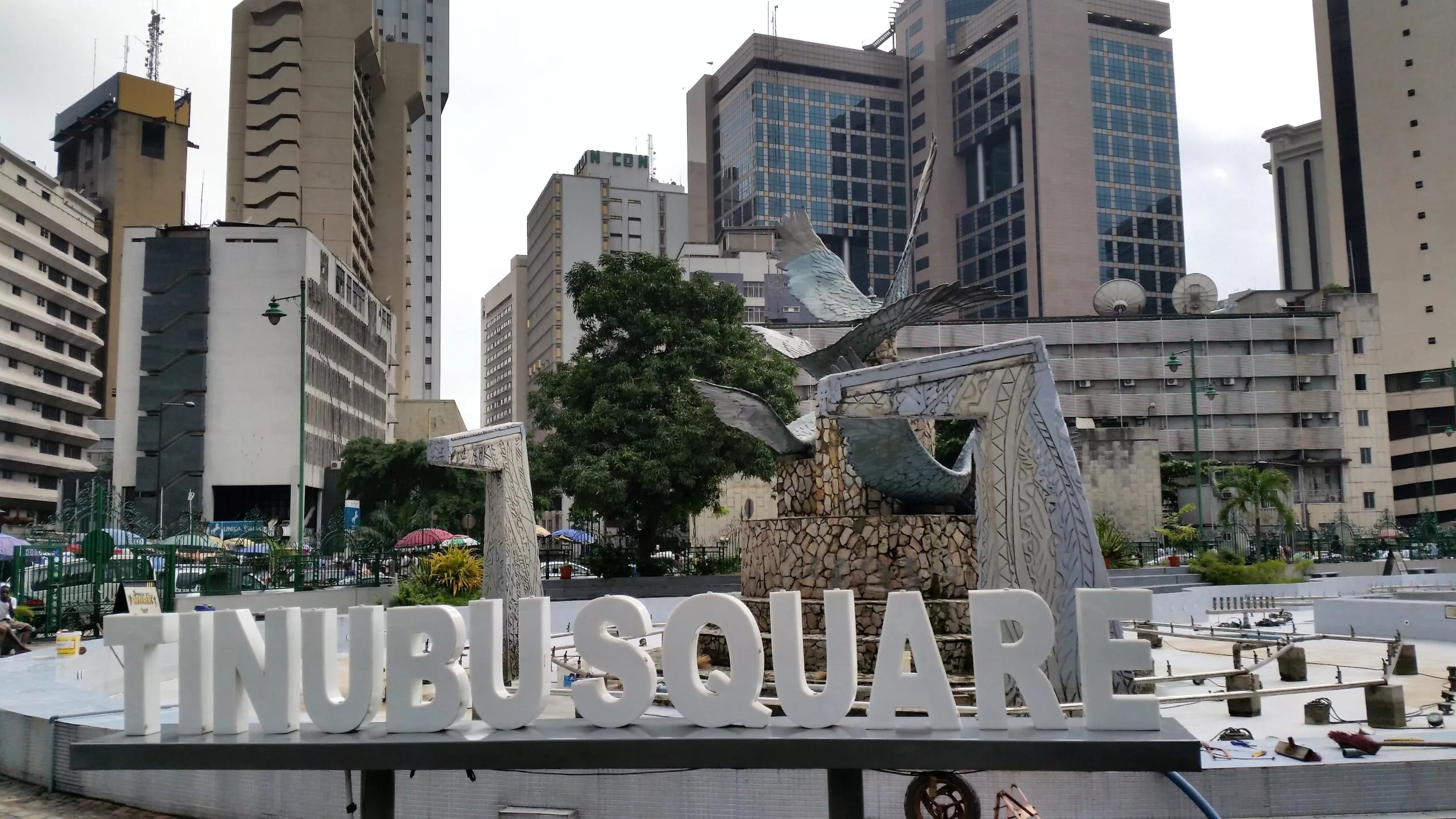
Africa oil shock — Lagos, Nigeria, the continent's largest oil exporter
Lagos, Nigeria, Africa’s largest oil exporter, where an oil-price swing lands very differently than for importers. (Photo: Wikimedia Commons)
One-stop reference
Company Intelligence
Every listed company in Latin America — financials, ownership and structure for 1,450+ companies across 26 exchanges, in one place.
Browse the directory →
RT
Ask Rio Times
Latin American markets, currencies and companies.
Open the full Ask Rio Times →

When the price of oil jumps, it is tempting to ask whether it is good or bad for a region. For Africa in 2026, that question has no single answer.

The same price move made some economies richer and others poorer, at the same time. The dividing line was simple: do you pump oil, or do you import it?

That split is the story, and it is one outsiders often miss when they talk about “Africa” as a single block. The continent is not one economy but many, pulling in different directions.

What the Africa oil shock did to growth

Start with the headline number from the lenders who track the region. The World Bank trimmed its 2026 outlook for sub-Saharan Africa.

Growth is now expected to hold at 4.1% for the year, the same pace as 2025. But that is a downgrade of 0.3 percentage points from what the bank had forecast months earlier.

The reason it gave was, in large part, the energy shock spilling out of conflict in the Middle East. Higher oil prices ripple through the whole region’s costs.

The African Development Bank, meeting this year in the Congolese capital Brazzaville, told a similar story, putting continental growth at about 4.2% for 2026, easing from 4.4%.

But these single numbers hide the divide. A continental average smooths over the fact that some countries were lifted by the oil move while others were dragged down.

The winners: exporters bank the windfall

For oil exporters, a higher price is a direct gift. They sell the same barrels for more dollars, and those dollars flow into government coffers and national reserves.

Nigeria is the clearest case. The continent’s largest oil producer watched its foreign-currency reserves climb to 51.04 billion dollars, according to its central bank.

That is the highest level in 17 years, and a rise of about 35% from a year earlier. A bigger reserve cushion makes a country far less fragile.

Reserves are the savings a central bank keeps to defend its currency and pay foreign bills. The fatter that buffer, the lower the risk of a sudden, painful devaluation.

For foreign investors, that buffer is a confidence signal. It is one reason money has begun trickling back into several African markets after years of turbulence.

Yet the windfall has limits. Even in Nigeria, the local currency stayed weak despite the record reserves, a reminder that oil money alone does not fix an economy.

The losers: importers pay at every turn

Now flip the coin. Most African economies are net energy importers, and for them the same oil move is purely a cost.

Higher oil prices raise the cost of fuel first, then transport, then the fertilizer that farmers need, and finally the food that everyone buys.

The World Bank expects this to push the region’s middle inflation rate up to 4.8% in 2026, from 3.7% the year before. That is a meaningful jump in the cost of living.

For households that already spend most of their income on food and transport, this kind of inflation bites hardest. There is little spare room to absorb it.

Governments would normally cushion the blow with subsidies or support. But many African states are now carrying heavy debts, leaving little money to spend.

The strain is visible in the numbers. The share of government revenue swallowed by foreign debt payments has roughly doubled over eight years, the World Bank notes.

So the importers are squeezed from both sides at once: higher import bills coming in, and less room in the budget to soften the impact for citizens.

Angola: an exporter trying to change the rules

One country shows a different path out of the trap. Angola, for decades one of Africa’s biggest oil producers, is trying to lean less on crude.

A senior government minister said this year that farming now contributes more to the economy than oil, putting agriculture at about a quarter of output against oil’s smaller share.

That claim should be read with care. It is a government framing, and oil still earns the large majority of Angola’s export dollars.

But the direction is real and deliberate. After years of boom-and-bust tied to crude prices, Angola is pushing investment into farming, logistics and other non-oil sectors.

The logic is simple. A country whose fortunes swing with every oil-price move wants steadier ground to stand on, and food production is a sensible place to start.

If Angola succeeds, it offers a template for other exporters: use the windfall years to build something that survives the inevitable bust.

Why Latin America should be watching

For readers focused on Latin America, Africa’s split is more than a distant curiosity. It is a mirror of the region’s own divide.

Latin America runs the same fault line. Oil exporters like Colombia, Brazil and Ecuador gain from a higher price, while importers across Central America and the Caribbean lose.

The same logic that makes Nigeria a winner and a small importer a loser plays out across the Americas whenever the oil price jumps.

Angola’s diversification effort echoes a debate heard across Latin America too, where commodity-dependent states wrestle with how to escape the boom-and-bust cycle.

The lesson from both continents is the same. In a world of sudden energy shocks, the structure of an economy decides who gains and who suffers.

For an investor, the takeaway is to stop treating either region as a single bet. The winners and losers sit side by side, separated only by what they sell.

Frequently Asked Questions

What is the Africa oil shock of 2026?

It refers to a jump in oil prices, linked to conflict in the Middle East, that rippled across African economies in 2026. The same price move helped oil exporters and hurt the larger number of countries that import energy, splitting the continent into winners and losers.

Which African countries gained and which lost?

Oil exporters such as Nigeria and Angola benefited from higher prices, with Nigeria’s reserves reaching a 17-year high. Net energy importers, which make up most of the continent, faced higher costs for fuel, transport, fertilizer and food, pushing inflation up.

Why does this matter for Latin America?

Latin America has the same divide between oil exporters, such as Colombia, Brazil and Ecuador, and importers across Central America and the Caribbean. Africa’s clean split is a useful guide to how the same oil-price moves create winners and losers within the Americas.

Connected Coverage

Nigeria’s External Reserves Hit a 17-Year High

Mexico’s Data-Center Boom Runs Into a Power Problem

The Big Picture

Africa: The New Scramble — why the world’s powers are competing for the continent

LatAm Markets: Live Signals → — real-time movers, turnover leaders and FX across Latin America.

Read More from The Rio Times

The Rio Times · Power Map
See who really holds power in Latin America
Click to open the Power Map

Rotate for Best Experience

This report is optimized for landscape viewing. Rotate your phone for the full experience.