Mexico · Business
Key Facts
- —The share Chinese brands took 17% of Mexico’s new light-vehicle sales in the first half of 2026, up from 14% a year earlier, according to dealer association AMDA.
- —The volume Those brands sold 137,525 vehicles from January to June, against 107,712 in the same months of 2025.
- —The tariff A 50% duty on cars from countries without a trade deal with Mexico took effect on 1 January 2026. It is law, not a proposal.
- —The origin shift Counting every badge, roughly 22% of vehicles sold in Mexico this year were built in China, making China the number two supplier after Mexico itself.
- —The workweek Mexico’s move to a 40-hour week is enacted, but the first cut, from 48 to 46 hours, only starts on 1 January 2027.
China is now the second-largest source of the vehicles Mexicans buy, behind only Mexico’s own assembly lines.
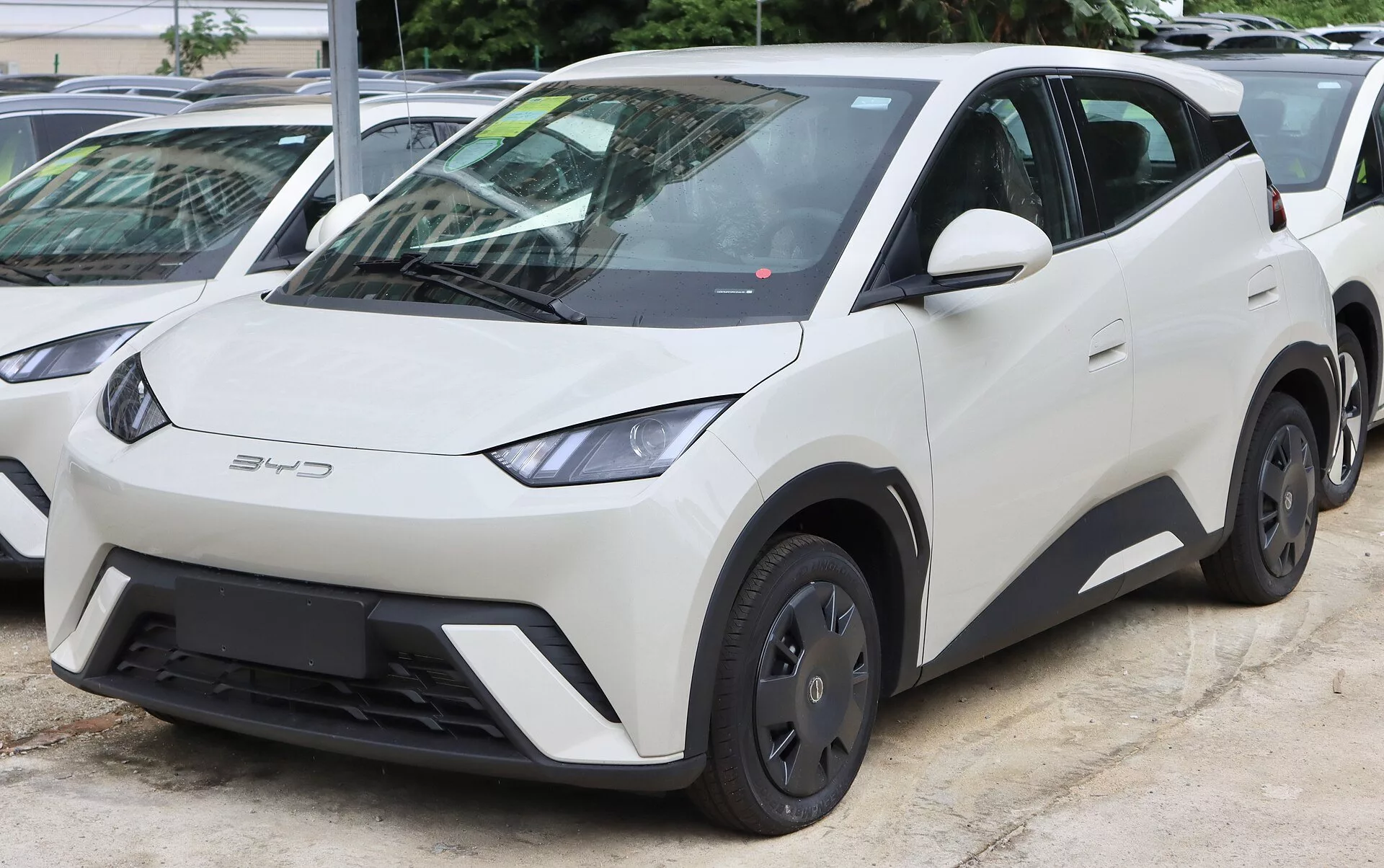
Chinese cars in Mexico are selling faster than the tariff meant to slow them. Chinese brands took 17% of the country’s new light-vehicle market in the first half of 2026, up from 14% a year earlier.
That happened even though a 50% import duty has been in force since January.
How Far Chinese Cars in Mexico Have Come
The dealer association AMDA counted 137,525 vehicles from Chinese brands between January and June. A year earlier the figure was 107,712, so the jump is close to 28%.
Four years ago Chinese cars in Mexico were a curiosity on the road. Since then these brands have moved from roughly 7% of the market to 17%, and the climb has not paused.
The 50% Tariff Is Already Law
This is the part that is often reported wrongly. Mexico’s Senate approved the tariff package on 11 December 2025.
The decree was published days later, and it took effect on 1 January 2026. The measure raised duties on 1,463 tariff lines covering goods from countries that have no free-trade agreement with Mexico.
Cars carry the top rate of 50%, whether they run on petrol, diesel or a battery.
Why the Duty Has Not Stopped the Advance
The tariff clearly bit at the border. Imports of Chinese light vehicles fell about 43% by value in the first five months of 2026 compared with the year before.
Yet showroom sales kept rising, because importers had shipped heavily before the deadline and are still working through that stock. Brands have also absorbed part of the cost rather than pass it all to buyers.
Which Brands Are Actually Winning
BYD remains the biggest Chinese name in Mexico, with 33,969 units in the first half. Interestingly, that was slightly below the 34,606 it sold a year earlier.
MG has been the momentum story instead. It moved 32,013 vehicles from January to July, a 16% annual gain.
For a 3.6% national share and eighth place among all brands. Chirey, Geely, Changan and Great Wall fill out the rest of the pack.
China Is Now Mexico’s Number Two Car Supplier
Look at where cars are built rather than whose badge they wear, and the picture is starker. Mexican plants supplied about 32% of the vehicles sold at home in the first half.
China came second at roughly 22%, ahead of Brazil, India, the United States and Japan. In short, a Chinese factory is now behind about one in five new cars sold in Mexico.
Why the Numbers Do Not Always Match
Readers will see several different percentages, and there is a reason. Some Chinese brands do not report their sales to the statistics agency INEGI, so official tallies undercount them.
AMDA said in August that reporting Chinese brands held 11.5% of the January-to-July market. Adding the brands that stay silent lifts that to about 17%, and counting every China-built vehicle pushes it toward 28%.
What President Sheinbaum Has Said
President Claudia Sheinbaum defended the duty when it was still a proposal in September 2025. She said the measures were not aimed at Beijing, calling them decisions taken with every country Mexico has no trade deal with.
She framed the plan as industrial policy rather than diplomacy, denying it was a concession to Washington. Since the decree took effect, her government has treated the 50% rate as settled policy, not as something still under review.
A Record Market Is Softening the Blow
Mexico sold 885,349 new light vehicles from January to July, up 5% year on year. That is the strongest seven-month stretch since the official series began in 2005.
A growing market makes room for newcomers without forcing anyone out. As a result, established brands have lost share while still selling more cars than before.
The 40-Hour Week Arrives Next
Separately, Mexico has locked in a shorter working week. The constitutional change was published on 3 March 2026 and the labour-law rewrite followed on 1 May 2026.
The reduction is gradual rather than immediate. The legal maximum stays at 48 hours through 2026, then falls to 46 hours in 2027.
44 in 2028, 42 in 2029 and 40 in 2030.
Factories Are Redrawing Shifts, Not Hiring
Employers are reaching for the schedule before the payroll. A WTW survey reported in late July found that about 70% of companies plan to adjust working hours to absorb the change.
Consultants describe the same instinct: compress the week, rotate shifts, lean on automation, and hire only as a last resort. EY has estimated payroll costs could rise 15% to 20% for firms that choose to add staff instead.
Most Companies Are Not Ready
Preparation is thin. A survey published on 6 August found only 17.8% of Mexican firms feel fully ready for the January 2027 cut in hours.
An earlier EY study put it more bluntly, reporting that 72% had taken no concrete step at all. Because the first reduction is small, many managers appear to be treating it as a 2027 problem.
What to Watch Next
Two things will decide whether Chinese cars in Mexico hold their gains. The first is inventory: once pre-tariff stock runs out, sticker prices will show the duty more honestly.
The second is assembly inside Mexico, which would sidestep the tariff altogether. Meanwhile, the shift math starts for real in January 2027.
And factories that have not planned for it will feel the squeeze first.
Frequently Asked Questions
What share of Mexico’s car market do Chinese brands hold?
Chinese brands took 17% of new light-vehicle sales in the first half of 2026. Up from 14% a year earlier, according to the dealer association AMDA.
Has Mexico actually imposed tariffs on Chinese cars?
Yes. Congress approved the package in December 2025 and it took effect on 1 January 2026.
Which Chinese car brands sell most in Mexico?
BYD led the first half with 33,969 units. MG sold 32,013 from January to July for a 3.6% national share, with Chirey, Geely, Changan and Great Wall also present.
When does Mexico’s 40-hour workweek start?
The law is already enacted, but the phase-in begins on 1 January 2027 at 46 hours. It falls two hours a year until it reaches 40 hours in 2030.
Connected Coverage
Sources: Reuters; AMDA; INEGI; El Economista; Diario Oficial de la Federacion.
This article was produced by The Rio Times’ automated newsroom system. How we use AI · Report an error
In depth
Read More from The Rio Times