Pierre Verger Exhibition Opens in Salvador, Brazil—Free Entry
Arts & Heritage
Key Facts
—Exhibition. The Caravana Verger features 80 photographs taken by Pierre Verger in the 1940s and 1950s.
—Opening. The free launch event is on 1 August at 4 p.m. at Acervo da Laje in Salvador’s railway suburbs.
—Route. The travelling exhibition will visit 18 municipalities across five states and the Federal District.
—Bahia stops. Confirmed Bahia cities include Salvador, Cachoeira, Feira de Santana, and Alagoinhas.
—Legacy. Verger, a French-born photographer, documented Afro-Brazilian culture and became a revered figure in Bahia.
A major Pierre Verger exhibition opens free to the public in Salvador on 1 August, bringing 80 rare mid-century photographs to the Acervo da Laje before a national tour.
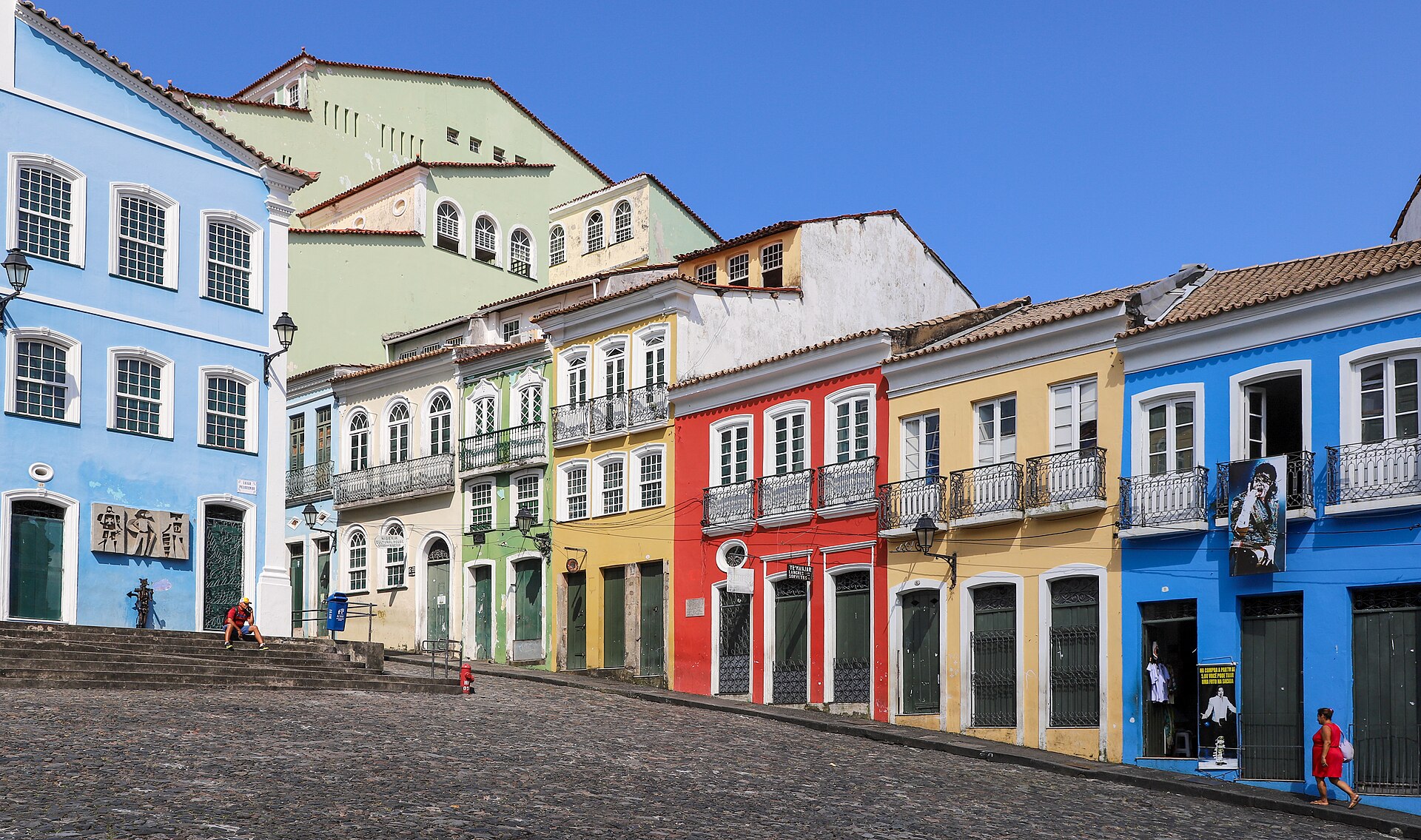
A Homecoming for Verger’s Lens in Salvador’s Subúrbio
The Caravana Verger launches on 1 August at 4 p.m. at the Acervo da Laje, a cultural space in Salvador’s railway suburbs. The opening event is entirely free and marks the start of an ambitious travelling exhibition.
The choice of venue is deliberate. Acervo da Laje sits in the Subúrbio Ferroviário, a historically underserved area that has become a vibrant hub for community-led arts initiatives.
Placing Verger’s work here connects his deep documentation of everyday Bahian life with the living communities he once photographed. It signals a broader effort to decentralise cultural access beyond Salvador’s postcard historic centre.
For a foreign reader unfamiliar with Salvador’s geography, the Subúrbio Ferroviário stretches along the city’s northern bay shoreline, far from the colonial Pelourinho district most visitors know. Bringing a heritage exhibition here rather than to a conventional gallery challenges long-standing assumptions about where serious culture belongs.
Eighty Images Across Five States and Eighteen Cities
The Pierre Verger exhibition comprises 80 photographs taken during the 1940s and 1950s. The images capture street scenes, religious rituals, labour, and portraiture across Brazil and beyond.
After Salvador, the caravan will travel to 18 municipalities across five states and the Federal District. In Bahia alone, confirmed stops include Cachoeira, Feira de Santana, and Alagoinhas.
This scale makes it one of the most extensive Verger retrospectives to circulate outside major museums. For smaller towns, it represents a rare encounter with museum-grade photographic heritage.
A travelling exhibition of this kind is logistically complex. Each stop requires secure transport for fragile mid-century prints, climate-appropriate display conditions, and local staff trained to handle archival material.
That organisers are committing to 18 stops suggests serious institutional backing and a long planning horizon.
Who Was Pierre Verger and Why His Work Still Matters
Pierre Verger was a French photographer and ethnographer who arrived in Brazil in 1946 and never truly left. He settled in Salvador, became a Candomblé initiate, and dedicated decades to documenting Afro-Brazilian religious and cultural traditions.
His archive is a cornerstone of Bahian visual identity. The images in this exhibition predate mass tourism and show a Salvador on the cusp of profound change.
For international audiences, Verger’s work offers an unvarnished entry point into Brazil’s African diaspora. His photographs are studied by anthropologists and collected by art institutions worldwide.
To understand why Verger remains so revered, it helps to know that Candomblé is an Afro-Brazilian religion blending West African spiritual traditions with elements of Catholicism, developed by enslaved Africans and their descendants. Verger did not simply observe this world from the outside; he was initiated into it, gaining access to ceremonies and intimate moments that few outsiders ever witnessed.
That insider perspective gives his photographs an authenticity that purely documentary work often lacks.
The 1940s and 1950s were a transitional period in Salvador. Urban modernisation was accelerating, yet many neighbourhoods still operated at a pace governed by fishing tides and market days rather than industrial clocks.
Verger’s lens preserved that vanishing rhythm.
The Cultural Economy Read-Through for Salvador
Salvador’s cultural tourism sector has been steadily diversifying beyond Carnival and Pelourinho. Exhibitions like the Caravana Verger strengthen the city’s year-round appeal to high-value cultural travellers.
The Acervo da Laje itself is a case study in culture-led neighbourhood regeneration. Its programming draws visitors to the Subúrbio Ferroviário, creating economic ripple effects for local businesses.
For expats and investors watching Bahia’s creative economy, the Verger caravan signals institutional confidence in decentralised cultural infrastructure. It aligns with broader state-level efforts to position Bahia as a year-round arts destination.
Cultural tourism of this kind tends to generate spending that stays within local economies longer than mass tourism does. Visitors who travel specifically for an exhibition are more likely to eat in neighbourhood restaurants, hire local guides, and seek out artisan workshops.
Whether the caravan can catalyse that kind of spending in smaller host cities remains an open question worth watching.
What to Watch Next as the Caravan Moves
The full schedule of 18 municipalities has not yet been published in detail. Organisers are expected to release confirmed dates and venues for each stop in the coming weeks.
Attendance figures at the Salvador opening will be an early indicator of public appetite. Strong numbers could attract additional sponsorship for future touring exhibitions in Brazil’s Northeast.
The Rio Times will track the caravan’s route and report on its reception in smaller municipalities, where cultural infrastructure gaps make such initiatives particularly significant.
Another dimension to monitor is whether the exhibition includes any educational programming, such as workshops for local school groups or talks by scholars familiar with Verger’s archive. Community engagement of that sort often determines whether a travelling show leaves a lasting impression or simply passes through.
Frequently Asked Questions
When and where does the Pierre Verger exhibition open?
The Caravana Verger opens on 1 August at 4 p.m. at the Acervo da Laje cultural centre in Salvador’s Subúrbio Ferroviário. The launch event is free and open to the public.
How many cities will the Caravana Verger visit?
The travelling exhibition will visit 18 municipalities across five Brazilian states and the Federal District. Confirmed Bahia stops include Salvador, Cachoeira, Feira de Santana, and Alagoinhas.
What kind of photographs are in the Pierre Verger exhibition?
The exhibition features 80 photographs taken by Pierre Verger during the 1940s and 1950s. The images document street life, religious rituals, labour, and portraits, with a strong focus on Afro-Brazilian culture in Bahia.
This article was produced by The Rio Times’ automated newsroom system. How we use AI · Report an error
In depth
Read More from The Rio Times