IMF’s Georgieva Heads to Argentina: Reserves Yes, Fiscal Doubts
Economy
Key Facts
—The visit. IMF Managing Director Kristalina Georgieva is due in Argentina in late July, arriving around July 27 to meet President Javier Milei and Economy Minister Luis Caputo.
—The praise. She is expected to endorse Argentina’s accumulation of foreign-exchange reserves.
—The doubt. Analysts flag lingering questions over the sustainability of the fiscal accounts.
—The agenda. Talks cover the program’s eighth review, reserve targets and possible currency-flexibility steps; she also plans a trip to Vaca Muerta.
—The backdrop. Argentina is the IMF’s largest debtor, under a US$20 billion program agreed in 2025.
The head of the IMF is coming to Buenos Aires, and the message is mixed. The Kristalina Georgieva Argentina visit is set to praise the country’s rebuilding of reserves while keeping a wary eye on its public accounts.
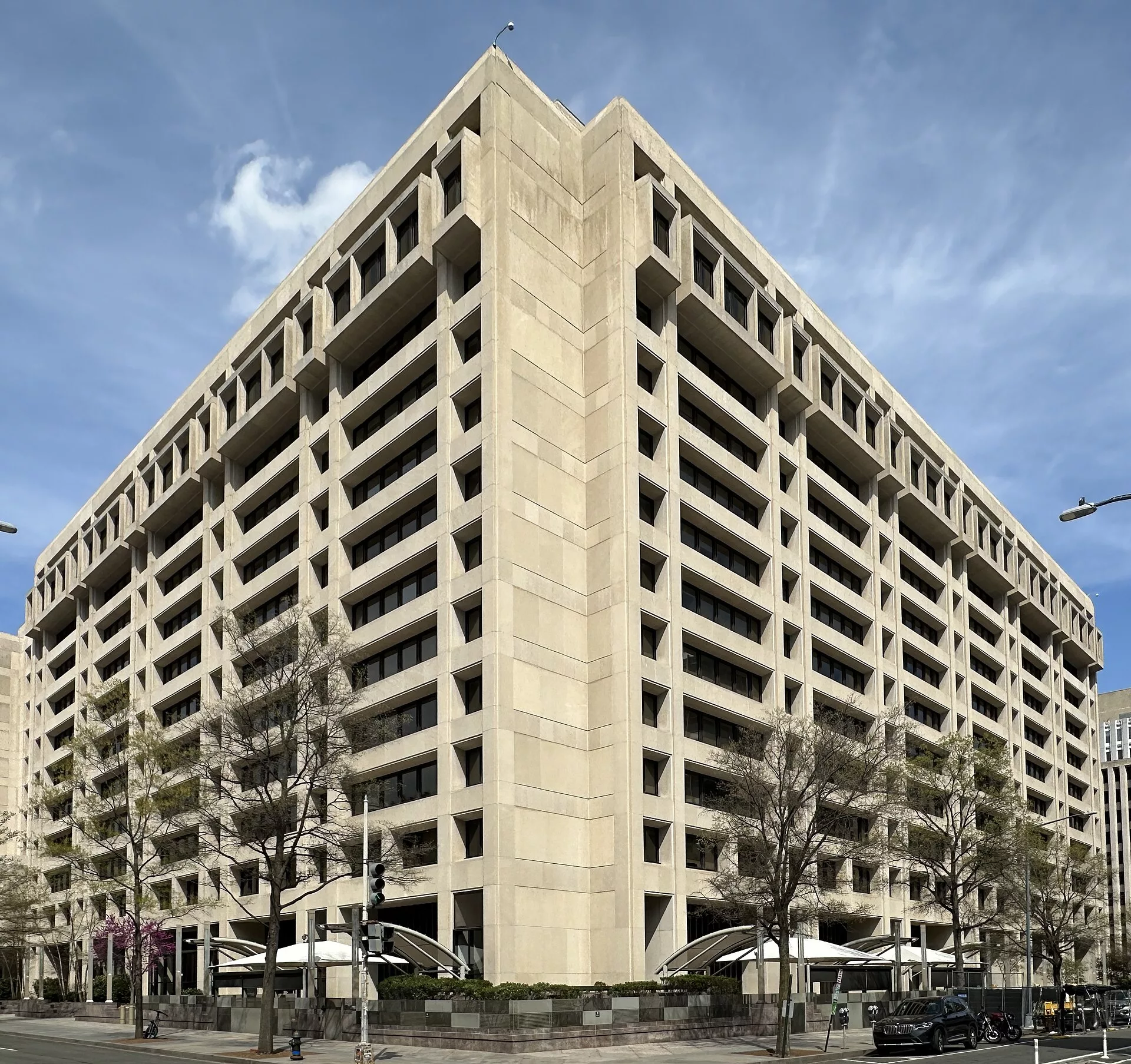
Argentina and the International Monetary Fund are bound together tightly: the country is the Fund’s biggest borrower, and its economic program is written with the IMF looking over its shoulder.
So a visit by the Fund’s managing director is closely read for signals of approval, or of concern.
For a foreign reader, it helps to understand that an IMF program is not just a loan. It is a detailed economic policy blueprint that a government agrees to follow in exchange for financing.
Regular reviews—like the eighth review now on the table—are checkpoints where the Fund verifies whether the country is hitting agreed targets on things like central-bank reserves, the fiscal deficit, and monetary expansion. Passing a review unlocks the next disbursement of funds.
Failing one can freeze the program and rattle investor confidence.
Argentina’s relationship with the IMF is unusually deep and long-running. The current US$20 billion Extended Fund Facility, signed in 2025, did not emerge from nowhere.
It was built to refinance a portion of a much larger US$44.5 billion standby arrangement agreed back in 2018, which itself became the largest loan in the Fund’s history at the time. That earlier program was meant to stabilize an economy already wrestling with high inflation and a plunging currency, but it ultimately failed to restore lasting confidence and was replaced by the current framework under President Milei’s administration.
What Georgieva Is Expected to Say
According to reporting, Georgieva is set to give a favorable nod to Argentina’s rebuilding of central-bank reserves, a core goal of the program under President Milei.
At the same time, analysts say she is likely to voice caution about the fiscal accounts, where the government reports a surplus but where the durability of that result is still being tested.
This dual message—praise paired with caution—is a classic feature of high-level IMF visits. Publicly endorsing progress on reserves helps strengthen market sentiment and signals to other international lenders that the program is broadly on track.
But raising quiet doubts about the fiscal accounts serves as a nudge to policymakers, reminding them that a surplus achieved through one-off measures or by delaying certain payments may not hold up over time. The Fund’s analysts will be looking closely at the quality of the fiscal adjustment, not just the headline number.
The Agenda
Her short visit is built around a meeting with Milei, a speech at the Palacio Libertad and a trip to the Vaca Muerta shale fields in Neuquén, a symbol of Argentina’s hopes for dollar-earning exports.
The substantive talks center on the eighth review of the agreement, the reserve targets that were softened after the first review fell short, and possible moves to loosen currency controls.
The inclusion of Vaca Muerta on the itinerary is telling. The massive shale formation is widely seen as Argentina’s best shot at generating a sustained flow of export dollars in the years ahead, which would ease the chronic shortage of foreign currency that has hobbled the economy for decades.
By visiting the site, Georgieva is effectively spotlighting the long-term supply-side story that could make the country’s debt more manageable, even as the short-term policy discussions focus on reserves and the exchange rate.
Why It Matters
Argentina is working under a US$20 billion Extended Fund Facility agreed in 2025, itself refinancing part of an earlier US$44.5 billion arrangement from 2018.
An IMF chief who publicly backs the reserves but questions the fiscal path is, in effect, handing Buenos Aires both a stamp of approval and a warning ahead of the next review.
For ordinary Argentines, the stakes are concrete. A successful review keeps the program disbursements flowing, which helps the central bank defend the peso and keeps the government’s financing plan intact.
A review that stalls or raises sharp objections can quickly feed into parallel exchange-rate pressure and higher inflation expectations, eroding purchasing power. The visit therefore sits at the intersection of high diplomacy and daily life.
Looking ahead, several open questions will shape how markets and the public interpret the visit. Will the Fund explicitly endorse the pace of reserve accumulation, or will its statement include language about the need for a faster build-up?
How forcefully will Georgieva address the composition of the fiscal surplus, and might she hint at additional measures needed to make it more durable? And on currency flexibility, will the talks produce a clearer timeline for unwinding controls, or will the Fund accept a gradual approach tied to reserve milestones?
The answers will emerge not just from the public remarks but from the technical staff-level discussions that follow.
Frequently Asked Questions
Why is Georgieva visiting Argentina?
IMF Managing Director Kristalina Georgieva is due in late July to meet President Javier Milei and Economy Minister Luis Caputo, with talks on the program’s eighth review, reserve targets and possible currency-flexibility measures.
What is the IMF’s view of Argentina?
Reporting suggests Georgieva will endorse Argentina’s rebuilding of reserves while analysts flag doubts about the sustainability of the fiscal accounts, even though the government reports a surplus.
How big is Argentina’s IMF program?
Argentina is the IMF’s largest debtor, under a US$20 billion program agreed in 2025 that refinances part of an earlier US$44.5 billion arrangement from 2018.
Sources
- Ambito – Kristalina Georgieva llega a la Argentina: aval por las reservas, pero con dudas sobre las cuentas fiscales
- Buenos Aires Herald – IMF head to visit Argentina as fund confirms 2026 growth projections
Connected Coverage
- Bolivia IMF Agreement ‘Indispensable’ as FX Crisis Deepens
- Argentina Markets: Merval & the Peso — July 24, 2026
Sources: IMF Managing Director Kristalina Georgieva.
This article was produced by The Rio Times’ automated newsroom system. How we use AI · Report an error · Editorial responsibility: Matthias Camenzind, Editor-in-Chief
In depth
LatAm Markets: Live Signals → — real-time movers, turnover leaders and FX across Latin America.