Mexico · Business
Key Facts
—Net profit. MX$11.15 billion (US$637 million), down 0.7% year on year.
—Revenue. MX$250.95 billion (US$14.3 billion), up just 1.9%.
—World Cup bump. Weaker than management had forecast across the business.
—Same-store sales. Rose only 1.8% in Mexico during the quarter.
—2026 guidance. Cut to 3.5%-4.5% sales growth with a slightly lower EBITDA margin.
Walmex, Mexico’s largest retailer and a bellwether for household spending, reported a 0.7% drop in second-quarter net profit on Wednesday as a softer consumer environment and a disappointing World Cup sales lift weighed on results.
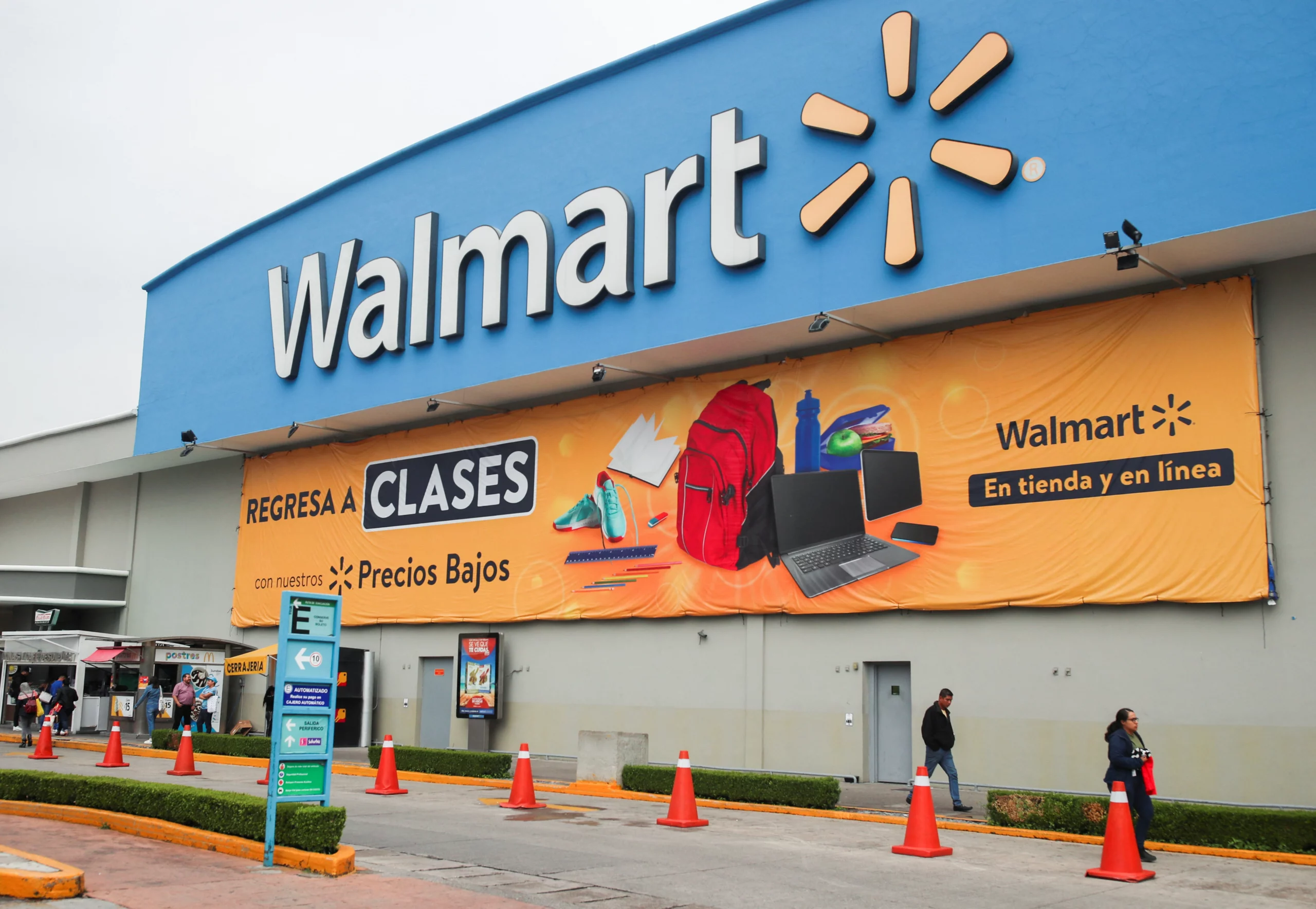
A Cooler Consumer Hits the Bottom Line
Walmex, formally Wal-Mart de México, posted net profit of MX$11.15 billion (US$637 million) for the April-to-June period. Revenue inched up 1.9% to MX$250.95 billion (US$14.3 billion), a pace that lagged behind inflation and internal targets.
Same-store sales in Mexico, the company’s core engine, rose just 1.8%. Management pointed to fewer shoppers walking into its discount-format stores and a broader softening of consumption across the country.
In plain terms, same-store sales measure revenue from locations open at least a year, stripping out the noise of new openings. When that figure barely moves, it signals that existing customers are spending less per visit or visiting less often, rather than a simple expansion slowdown.
For a retailer of Walmex’s scale, even a small dip in foot traffic at its discount banners can translate into billions of pesos in forgone revenue. Those discount formats, particularly Bodega Aurrera, are designed to serve price-sensitive households, so a pullback there suggests the squeeze is being felt most acutely among lower- and middle-income families.
World Cup Buzz Didn't Fill the Cart
Retailers often bank on a World Cup to sell televisions, snacks, and beer. Walmex acknowledged that some categories got a lift, but the overall bump was far smaller than executives had penciled in.
The tournament did not spark the broad-based spending surge the company expected. Households remained cautious, prioritizing essentials over the kind of discretionary splurges that typically accompany a global football festival.
This matters because major sporting events are normally a reliable short-term lever for retailers in football-mad nations like Mexico. When that lever fails to deliver, it raises questions about whether consumers are simply postponing non-essential purchases or whether their budgets have been fundamentally reset by prolonged inflation.
Live Company IntelligenceWal-Mart de México S.A.B. de C.V — the full investor dossier
Valuation & profitability
Price & risk
$46.6152-wk high
$62.64
Revenue trend · 6y
Ownership
Dividend
Walmex Trims Its 2026 Outlook
With half the year gone, Walmex cut its full-year guidance. It now expects constant-currency sales growth between 3.5% and 4.5%, down from earlier projections.
The company also forecast a slightly lower EBITDA margin than in 2025. Higher spending tied to new store openings and e-commerce investments is squeezing profitability even as the top line crawls forward.
EBITDA stands for earnings before interest, taxes, depreciation, and amortization. It is a widely used yardstick of operating profitability because it strips out costs that can vary depending on how a company is financed or how it accounts for long-term assets.
A shrinking EBITDA margin means Walmex is keeping less of each peso of revenue as operational profit.
What the Numbers Say About Mexico
As Mexico’s biggest private employer and a fixture in urban and rural communities alike, Walmex serves as a real-time gauge of household confidence. The cautious tone from its earnings report suggests families are guarding their wallets.
The combination of flat profit, modest same-store sales, and a trimmed outlook paints a picture of an economy where inflation-weary consumers are still counting pesos carefully, even during a summer meant for celebration.
Because Walmex touches so many segments, from wholesale clubs to neighborhood discount stores, its performance is often read as a proxy for the health of the Mexican consumer class as a whole. When Walmex sneezes, the thinking goes, the broader economy may already be catching a cold.
Background: Walmex and Its Place in the Economy
Wal-Mart de México, universally known as Walmex, operates thousands of stores under banners including Bodega Aurrera, Sam’s Club, and Superama. It is the country’s largest retailer by sales and its biggest private-sector employer, making its quarterly reports a closely watched health check on Mexican consumer sentiment.
The company has invested heavily in recent years to blend physical stores with a growing e-commerce platform and digital payment ecosystem. Those investments are designed to fend off competitors like Amazon and regional players, but they also add cost pressure during periods of soft demand.
Walmex also operates across Central America, though Mexico remains its dominant market by far. The company’s sheer footprint means its logistics network, supplier relationships, and pricing strategies influence entire supply chains, from farmers to packaged-goods manufacturers.
What It Means for Expats and Investors
For foreign residents and investors in Mexico, Walmex’s results signal that local purchasing power remains under strain. A weaker-than-expected consumer rebound can affect everything from retail property values to the performance of Mexican stocks and exchange-traded funds with heavy exposure to the country.
The trimmed guidance also suggests that corporate earnings in Mexico may face headwinds through the rest of 2026. Expats who earn or hold assets in pesos should note that sluggish domestic consumption can influence currency trends and the broader investment climate.
What to watch next is whether Walmex can accelerate its e-commerce adoption without further eroding margins, and whether the back half of the year brings any relief in consumer sentiment. Another open question is how competitors are faring in the same environment, and whether Walmex is losing share or simply reflecting a market-wide slowdown.
Frequently Asked Questions
Why did Walmex profit fall in Q2 2026?
Net profit dipped 0.7% to MX$11.15 billion (US$637 million) because of softer consumer spending, fewer visitors to discount stores, and higher costs from store openings and e-commerce investments. Revenue growth of 1.9% was not enough to offset these pressures.
Did the 2026 World Cup help Walmex sales?
Only modestly. Some product categories like snacks and televisions benefited, but the overall consumption boost was much weaker than Walmex had anticipated.
Households focused on essentials, leaving the company disappointed with the tournament's impact on discretionary spending.
What is Walmex's new outlook for 2026?
Walmex cut its annual sales growth forecast to between 3.5% and 4.5% in constant currency and expects a slightly lower EBITDA margin compared to 2025. The revision reflects ongoing cost investments and a cautious view of consumer demand for the rest of the year.
Connected Coverage
10 Dead in Mexico’s Zacatecas as Cartel War Escalates
How Remote Workers Pay About 2% Tax in Mexico: The RESICO Regime
Sources: Walmart de México.
Read More from The Rio Times