Mozambique Electric Mine: Miner Vulcan’s $160M Switch
Africa · Southern
Key Facts
—The project. Vulcan is developing what it calls Africa’s first fully electric mine at Moatize, in Mozambique’s Tete province.
—The investment. Local reporting puts the electrification spend at about €140.6 million.
—The switch. Diesel haul trucks and equipment are being replaced with electric fleets to cut fuel use and emissions.
—The context. Moatize is a large coal complex; the electrification targets the mine’s operations, not the product.
—The stakes. Mining is central to Mozambique’s economy, and cheaper power could reshape its cost base.
A miner in northern Mozambique says it is building Africa’s first fully electric mine — swapping diesel trucks for electric fleets at the vast Moatize complex in a roughly €140.6 million bet that cleaner operations are also cheaper ones.
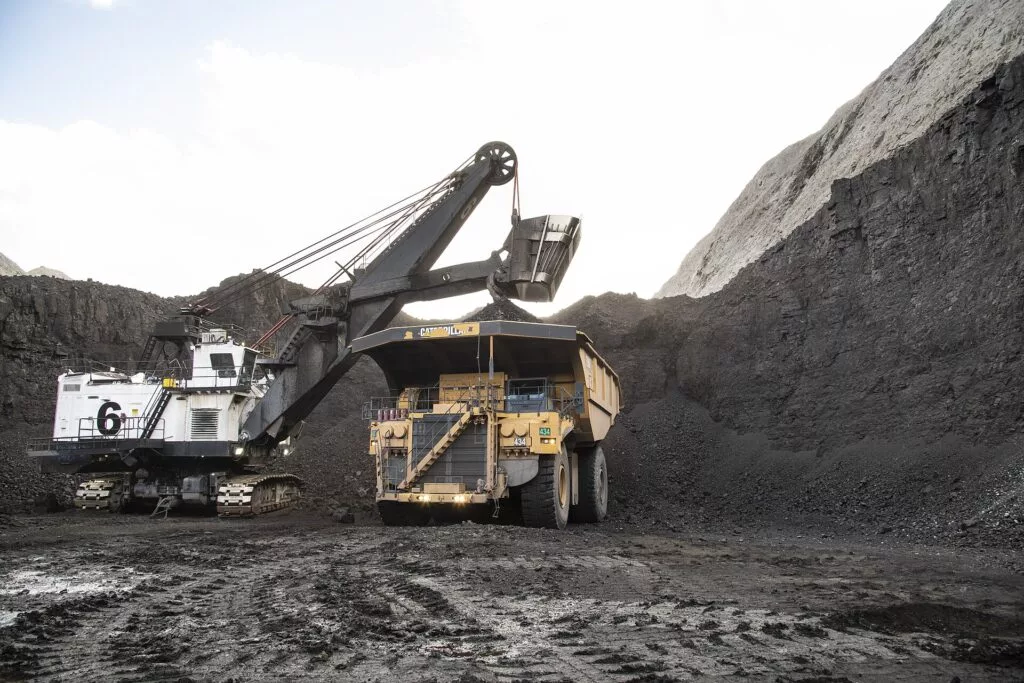
What Vulcan is building
Vulcan, which operates the Moatize coal mine in Tete province, is advancing a phase of the operation it describes as Africa’s first fully electric mine. The plan replaces the diesel-powered haul trucks and heavy equipment that dominate large mines with electric alternatives, drawing on grid or dedicated power rather than fuel deliveries.
Local reporting values the electrification programme at about €140.6 million. The company frames the move as reducing fuel dependency, lowering emissions from its operations and improving long-term resilience against diesel-price and supply shocks.
For readers unfamiliar with large-scale mining, diesel has long been the default energy source for the giant trucks that shuttle ore and waste rock across open pits. These vehicles can burn hundreds of litres of fuel per hour, making fuel logistics a major operational headache and a significant line item on any mine’s cost sheet.
Switching to electric drivetrains removes the need to truck in and store vast quantities of diesel on site, which is especially valuable in remote regions where supply chains are fragile and road networks can be disrupted by weather or infrastructure gaps.
The coal paradox
There is an obvious tension worth stating plainly: Moatize is a coal mine, and electrifying it does not make the coal it ships any cleaner. What changes is the footprint and cost of extraction — the trucks, loaders and processing that run on diesel today.
For the industry, that distinction is becoming standard: even fossil-fuel producers are electrifying operations to trim costs and meet the emissions rules that lenders and buyers increasingly demand. Vulcan is betting it can do that first, and at scale, in Mozambique.
This dynamic reflects a broader shift in global mining. Institutional investors and development finance institutions now routinely attach environmental conditions to their capital, and carbon-intensive operations face a rising cost of funding.
By tackling its own Scope 1 and Scope 2 emissions—those generated directly by its equipment and the power it consumes—Vulcan may be positioning the mine to remain attractive to such backers, even as the world debates the future of thermal coal.
Why it matters for Mozambique
Mining and gas are pillars of Mozambique’s economy, and Tete’s coal is a major export earner. A mine that runs on electricity rather than trucked-in diesel could lower operating costs in a country where fuel logistics are expensive and roads are long — a competitiveness gain for one of the region’s key resource plays.
For foreign investors, the project is a test of whether large-scale mine electrification is viable in a frontier setting, where power reliability and capital costs are the usual obstacles. Success at Moatize would give the model a reference point across southern Africa.
Tete province itself sits on some of the world’s largest untapped coal reserves, and its development has long been tied to the health of the export corridor that runs to the port of Beira. Any structural reduction in extraction costs could influence how much of that resource base becomes economically viable over time, a question that matters not just for Vulcan but for government revenue planning and regional employment.
What to watch
The open questions are power supply and pace: electric fleets need dependable electricity, and Vulcan’s timeline and the source of that power will determine whether the “fully electric” label holds. If it delivers, the payoff is a lower, more stable cost base; if the grid falls short, the transition could stall.
Another factor worth monitoring is how the mine’s electricity is generated. If the power comes predominantly from Mozambique’s growing fleet of hydroelectric plants, the operational emissions reduction would be deeper than if it draws from gas-fired or coal-fired grid capacity.
The source mix will shape how international buyers and financiers judge the project’s green credentials. Equally, the performance of the electric fleet under the dust, heat and round-the-clock demands of a working coal mine will offer real-world data that other operators in the region are likely to study closely before committing their own capital.
Frequently Asked Questions
What is Vulcan building in Mozambique?
It is electrifying its Moatize coal operation in Tete province, in what it calls Africa’s first fully electric mine, replacing diesel trucks and equipment with electric fleets.
Does this make the coal cleaner?
No. Electrification cuts the emissions and fuel costs of mining the coal; it does not change the emissions from burning the coal itself.
Why electrify a mine?
To reduce dependence on trucked-in diesel, lower operating costs and emissions, and build resilience against fuel-price and supply shocks — increasingly expected by lenders and buyers.
Connected Coverage
Sources: Club of Mozambique; Vulcan International.
This article was produced by The Rio Times’ automated newsroom system. How we use AI · Report an error · Editorial responsibility: Matthias Camenzind, Editor-in-Chief
LatAm Markets: Live Signals → — real-time movers, turnover leaders and FX across Latin America.