Brazil’s Olympikus Owner Posts US$28M Profit, Launches Buyback
Markets: São Paulo
Key Facts
—Result. Vulcabras (VULC3), Brazil’s largest sports-footwear maker, reported second-quarter 2026 recurring net income of R$143.7 million (about US$28 million), a slight 0.8% dip from a year earlier.
—Revenue. Net revenue rose 11.2% to R$994.8 million (about US$196 million), and recurring EBITDA grew 9.3% to R$208.6 million (about US$41 million).
—Buyback. The board approved a new share buyback of up to 15 million shares, roughly 13.56% of the stock in free float, out of 110,618,680 outstanding shares.
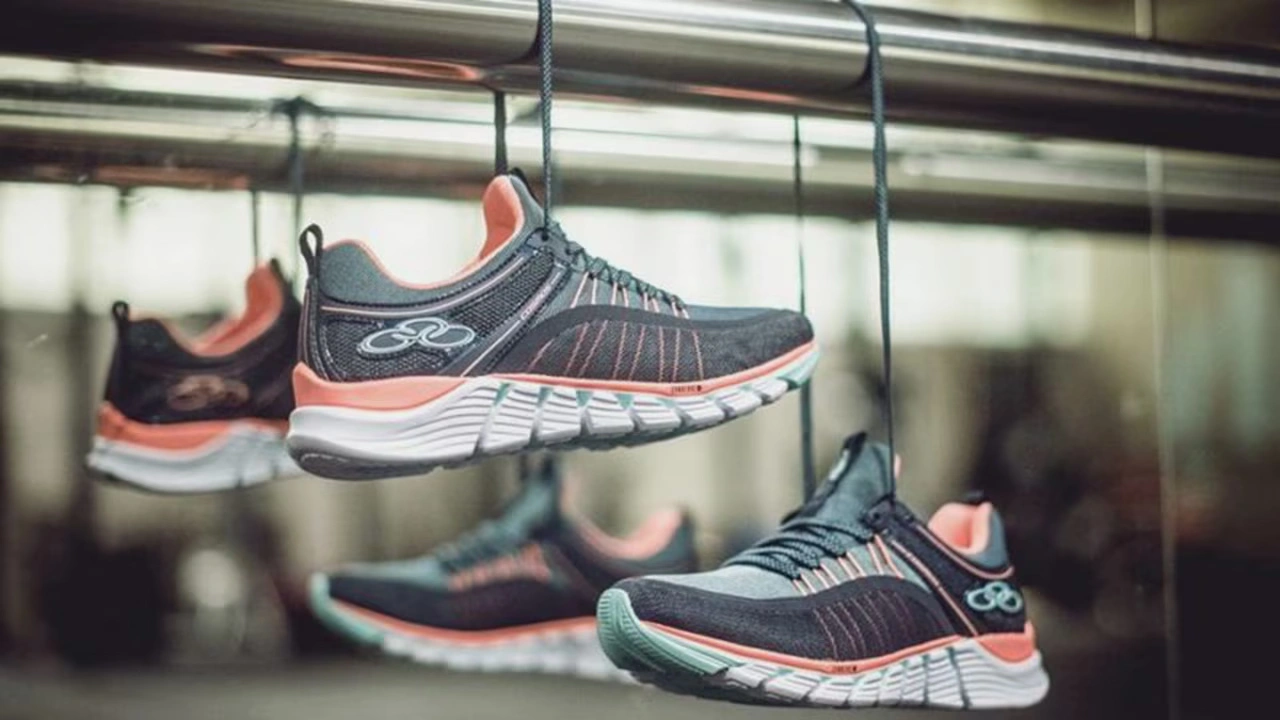
—Brands. Vulcabras owns Olympikus, Brazil’s top running brand, and holds local licenses for Mizuno and, in Brazil, Under Armour.
—Why it matters. Steady profit and rising revenue, paired with a buyback, signal management confidence even as high interest rates pressure Brazilian consumer spending.
Vulcabras held its Q2 profit steady at R$143.7 million (about US$28 million) and approved a fresh share buyback, as revenue for the Olympikus maker rose 11% on resilient demand for sportswear.
Vulcabras Holds Profit Steady and Launches Buyback
Vulcabras, the company behind Brazil’s best-selling running shoes, said recurring net income for the April-to-June quarter was R$143.7 million (about US$28 million), essentially flat with a 0.8% decline from the same period of 2025. Alongside the numbers, the board approved a new buyback program.
For a company operating in a high-rate economy where consumers are cautious, holding profit near a year-earlier level while lifting sales was read as a solid outcome. The simultaneous buyback reinforced that message, with management choosing to return capital rather than hoard it.
Recurring net income strips out one-off items to give a clearer picture of the underlying business. For a foreign reader, that matters because it shows the operational engine is steady even if reported profit under different accounting rules might swing more sharply.
Revenue Climbs as Sportswear Demand Holds
Net revenue rose 11.2% to R$994.8 million (about US$196 million), nearing the R$1 billion (about US$197 million) mark for a single quarter. Recurring EBITDA advanced 9.3% to R$208.6 million (about US$41 million), showing that the top-line growth carried through to operating profit even as input and labor costs rose.
Demand for athletic footwear and apparel has proven relatively durable in Brazil, supported by a broad running culture and by Olympikus’s strong position at accessible price points. That resilience helped Vulcabras grow revenue faster than the wider retail market.
EBITDA stands for earnings before interest, taxes, depreciation and amortization. It is a widely used gauge of operating profitability that lets investors compare companies without the noise of different tax regimes or financing structures. A 9.3% rise in this metric suggests Vulcabras kept a grip on costs while expanding sales.
The Buyback Explained
The board’s new program authorizes the repurchase of up to 15 million shares, about 13.56% of the shares in free float, from a total of 110,618,680 shares outstanding. Buybacks reduce the share count over time, which can support per-share earnings and signal that management views the stock as undervalued.
For international readers, a buyback of this size is a notable capital-allocation choice in a market where the 15% Selic rate makes cash attractive to hold. Vulcabras is effectively betting that returning money to shareholders is a better use of capital than parking it at high domestic interest rates.
The Selic rate is Brazil’s benchmark interest rate, set by the central bank. When it sits at 15%, simply holding cash in government bonds yields a high return with very low risk. Choosing a buyback instead implies the company believes its own shares offer an even better long-term reward.
Brands and Factory Behind the Numbers
Vulcabras’s portfolio is anchored by Olympikus, the running brand that dominates Brazil’s mass market, alongside the Mizuno license for the country and a license to operate the Under Armour brand in Brazil. That mix spans value-focused runners and premium performance gear.
Much of the output flows from Vulcabras’s large manufacturing complex in Horizonte, in the northeastern state of Ceará, one of the biggest footwear plants in Latin America. Domestic production gives the company tighter control over supply and shields it somewhat from import-cost swings tied to the exchange rate.
For context, Brazil’s currency, the real, can move sharply against the US dollar. Companies that rely heavily on imported components see their costs jump when the real weakens. Running much of its own factory floor inside Brazil helps Vulcabras keep a lid on that particular risk.
What Comes Next for Vulcabras
With revenue expanding and margins holding, the near-term question is whether Brazilian consumers keep spending on sportswear as credit stays costly. A resilient running and fitness market, plus the reach of Olympikus, gives Vulcabras a cushion that many discretionary retailers lack.
The buyback also sets a tone for capital returns going forward. If profitability holds and the shares stay attractively valued, further repurchases or dividends could follow, keeping shareholder returns central to the story even in a difficult rate environment.
Open questions worth watching include how the licensed brands Mizuno and Under Armour perform against the homegrown Olympikus label, and whether the company can keep pushing revenue toward that symbolic R$1 billion quarterly threshold without sacrificing margins. Another area to monitor is any shift in the Selic rate, which would change the calculus for future buybacks versus holding cash.
Frequently Asked Questions
How much did Vulcabras earn in the second quarter of 2026?
Vulcabras reported recurring net income of R$143.7 million (about US$28 million) in the second quarter of 2026, a slight 0.8% decline from a year earlier, while net revenue rose 11.2% to R$994.8 million (about US$196 million).
What is Vulcabras’s new share buyback?
Vulcabras’s board approved a program to repurchase up to 15 million shares, about 13.56% of the shares in free float, from 110,618,680 shares outstanding. The move is intended to return capital to shareholders and support per-share value.
Which brands does Vulcabras own?
Vulcabras owns Olympikus, Brazil’s leading running brand, and holds licenses for Mizuno and, in Brazil, Under Armour. Much of its footwear is produced at a large plant in Horizonte, in the state of Ceará.
Sources
Connected Coverage
More Brazilian corporate earnings and market coverage from The Rio Times.
Sources: Finance News, InfoMoney, Money Times.
This article was produced by The Rio Times’ automated newsroom system. How we use AI · Report an error
LatAm Markets: Live Signals → — real-time movers, turnover leaders and FX across Latin America.
Read More from The Rio Times