Venezuela Inflation Slows Sharply in August, the Central Bank Says
VENEZUELA · ECONOMY
Key Facts
- —What happened The central bank reported monthly inflation of 8.9 percent for August, down from 19.9 percent in July.
- —How it compares It is the second-lowest monthly reading of 2026, behind 6.3 percent in May.
- —The real story The bank credits calmer currency markets, after a July spike that followed the June earthquakes.
- —The catch Prices are still 534.2 percent higher than a year ago, and 200.1 percent higher since January.
- —Who it affects Workers whose base minimum wage has been 130 bolívares since 2022, worth about 16 US cents today.
- —What comes next The bolívar broke past 800 to the dollar this month, so September’s reading will test the calm.
Prices in Venezuela rose at less than half of July’s pace last month. That is genuinely good news, and it still means a wage buys less every year.
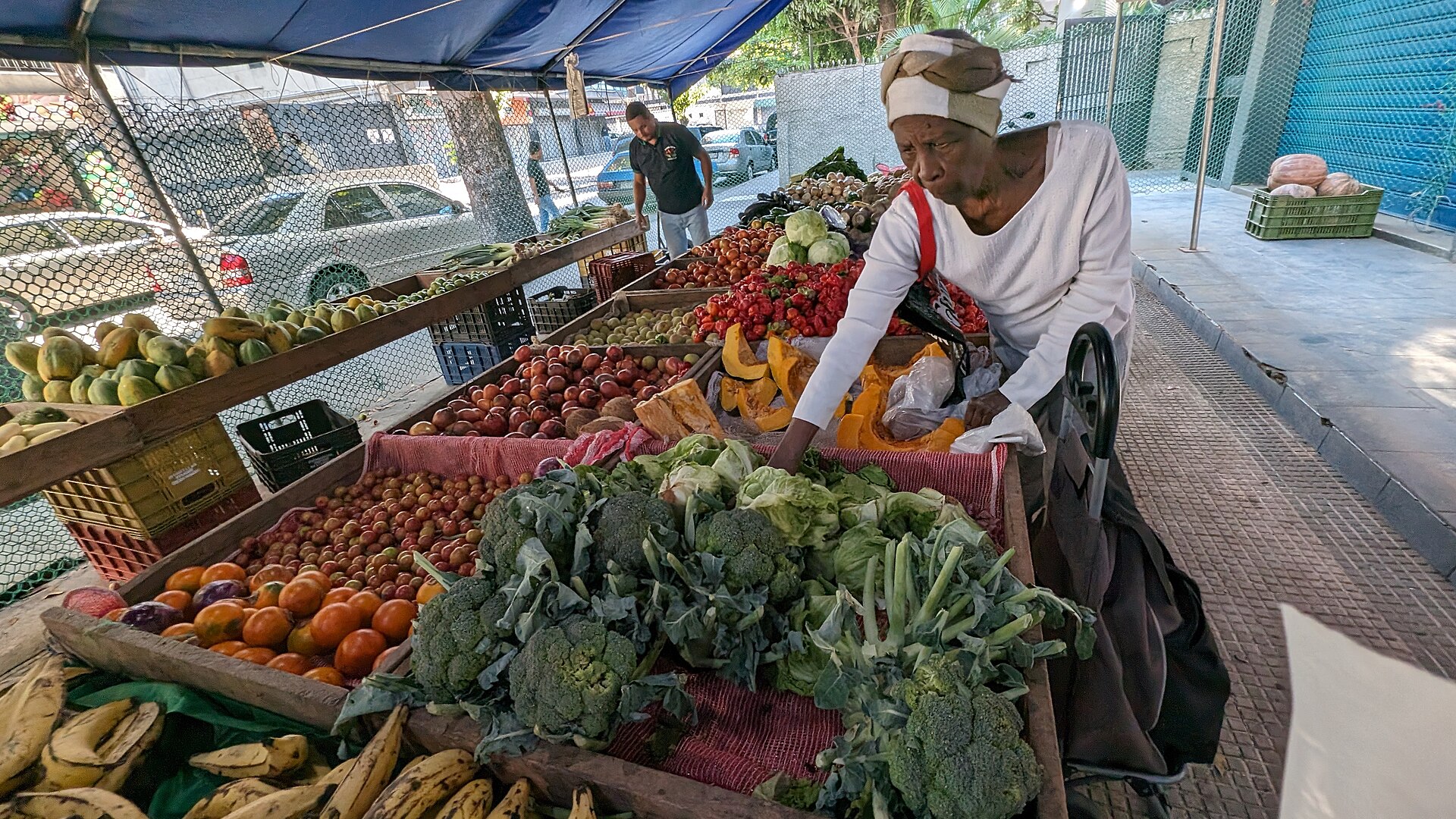
Prices in Venezuela rose much more slowly last month. Venezuela inflation came in at 8.9 percent for August, the central bank reported on Friday.
July’s figure was 19.9 percent. So the monthly pace more than halved in four weeks.
The bank published the number on 4 September 2026. It is the second-lowest monthly reading of the year.
Only May was lower, at 6.3 percent. June was 13.8 percent.
The Numbers Behind the Headline
A single month never tells the whole story with Venezuela inflation. The longer measures are the ones that describe daily life.
Prices are 534.2 percent higher than they were a year ago. That is the twelve-month rate the bank published alongside the monthly figure.
Since January, prices have risen 200.1 percent. That is the accumulated rate for 2026 so far.
For comparison, the International Monetary Fund projects 682 percent for Venezuela across the whole of 2026. The country is still the highest-inflation economy in the region by a wide margin.
Why Venezuela Inflation Slowed
The central bank gave its own explanation. It cited lower pressure in the currency market, reflected in a smaller movement of the exchange rate.
That is a plausible reading. In Venezuela, most large prices are set against the dollar, so a calmer exchange rate feeds through quickly.
July’s spike had a specific cause behind it too. Twin earthquakes on 24 June disrupted supply and rebuilding, and the World Bank estimated US$19.6 billion in direct physical damage.
So part of August’s improvement is simply the absence of a shock. That is worth remembering before treating one month as a trend.
An Independent Check
Independent monitors do not always agree with the central bank. In this case one of them came in lower.
Cedice Libertad, a Caracas research group, measured 6.99 percent in bolívares for August. In dollar terms it measured 0.77 percent.
That second figure is the one to notice. It shows how much of Venezuelan inflation is currency movement rather than underlying price pressure.
It also cuts against a common assumption. Independent Venezuela inflation estimates usually run higher than official ones, and this month they did not.
The Currency Behind Venezuela Inflation
The bolívar has kept sliding even as monthly inflation eased. The official rate broke past 800 to the dollar for the first time this month.
It stood at 804.81 on 3 September 2026. A year earlier the official rate was 150.79.
That is roughly a fivefold depreciation in twelve months. The euro was quoted at 932.80 on the same day.
Not everyone accepts the bank’s framing of this. The economist and former opposition deputy José Guerra argues that devaluation is a state policy.
In his reading, the bank keeps devaluing to raise more fiscal revenue. Devaluation always favours the exporter, he says, and here the exporter is the state.
What People Actually Earn
This is where the numbers become uncomfortable. The base minimum wage has been 130 bolívares since 2022.
At the 3 September official rate, that is about 16 US cents a month. The figure is not a typo.
The government pays a separate package on top, announced in May 2026 by President Delcy Rodríguez. It is called an integral minimum income and is worth US$240.
It is delivered as bonuses, not salary: US$200 as an economic war bonus and US$40 as a food voucher. Pensions were set at US$70.
The distinction is not cosmetic. Holiday pay, social benefits and union contributions are still calculated on the 130-bolívar base, not on the US$240.
The labour ministry has explained the logic openly. Raising salary, it argues, would push inflation up again.
How to Read the Next Few Months
One economist offered a wider frame worth keeping. Asdrúbal Oliveros has said a country can import a credible currency but cannot automatically import institutions.
That is the test now facing Venezuela’s price data. Stability that rests on a managed exchange rate can unwind fast.
The September reading will be the first check. It will cover a month in which the bolívar crossed a psychological threshold.
For residents and businesses, the practical advice has not changed. Watch the exchange rate first, because in Venezuela the price index follows it rather than leading it.
More: Venezuela news in English, every day from The Rio Times.
Frequently Asked Questions
What was Venezuela’s inflation in August 2026?
8.9 percent for the month, down from 19.9 percent in July, according to the Central Bank of Venezuela, which published the figure on 4 September 2026.
What is the annual rate?
Prices were 534.2 percent higher than a year earlier, and 200.1 percent higher than in January. The IMF projects 682 percent for the full year.
Why did inflation slow?
The central bank cited less pressure in the currency market and a smaller exchange-rate movement. July had also been distorted by the 24 June earthquakes.
Do independent monitors agree?
The research group Cedice Libertad measured 6.99 percent in bolívares and 0.77 percent in dollars for August, which is lower than the official figure rather than higher.
What is the minimum wage worth?
The base minimum wage has been 130 bolívares since 2022, about 16 US cents at the 3 September official rate. A separate bonus package brings the monthly income to US$240.
Sources: Banco Central de Venezuela, Reuters, EFE, Infobae, La Patilla, Finanzas Digital, El Nacional, Cedice Libertad, Bloomberg Línea, Rio Times.
This article was produced by The Rio Times’ automated newsroom system. How we use AI · Report an error
In depth
Read More from The Rio Times