Venezuela Offers Subsidized Mortgages to Earthquake Victims
Venezuela · Economy
Key Facts
- Bank rollout Banco de Venezuela, Banco Digital de los Trabajadores (BDT) and Banco del Tesoro are the first three authorized lenders.
- Subsidy tiers Homes up to US$70,000 get an 80% state subsidy; homes between US$70,000 and US$100,000 get a 50% subsidy.
- Loan terms The remaining balance is financed over 25 years in both tiers.
- Eligibility Applicants must show affected-person registration, official certification the home is uninhabitable, and proof of ownership.
- Program scope The initiative is called “Venezuela Renace” and targets those who lost primary residences in the June 24 earthquakes.
- Expansion Other financial institutions are expected to join the program later, per one report.
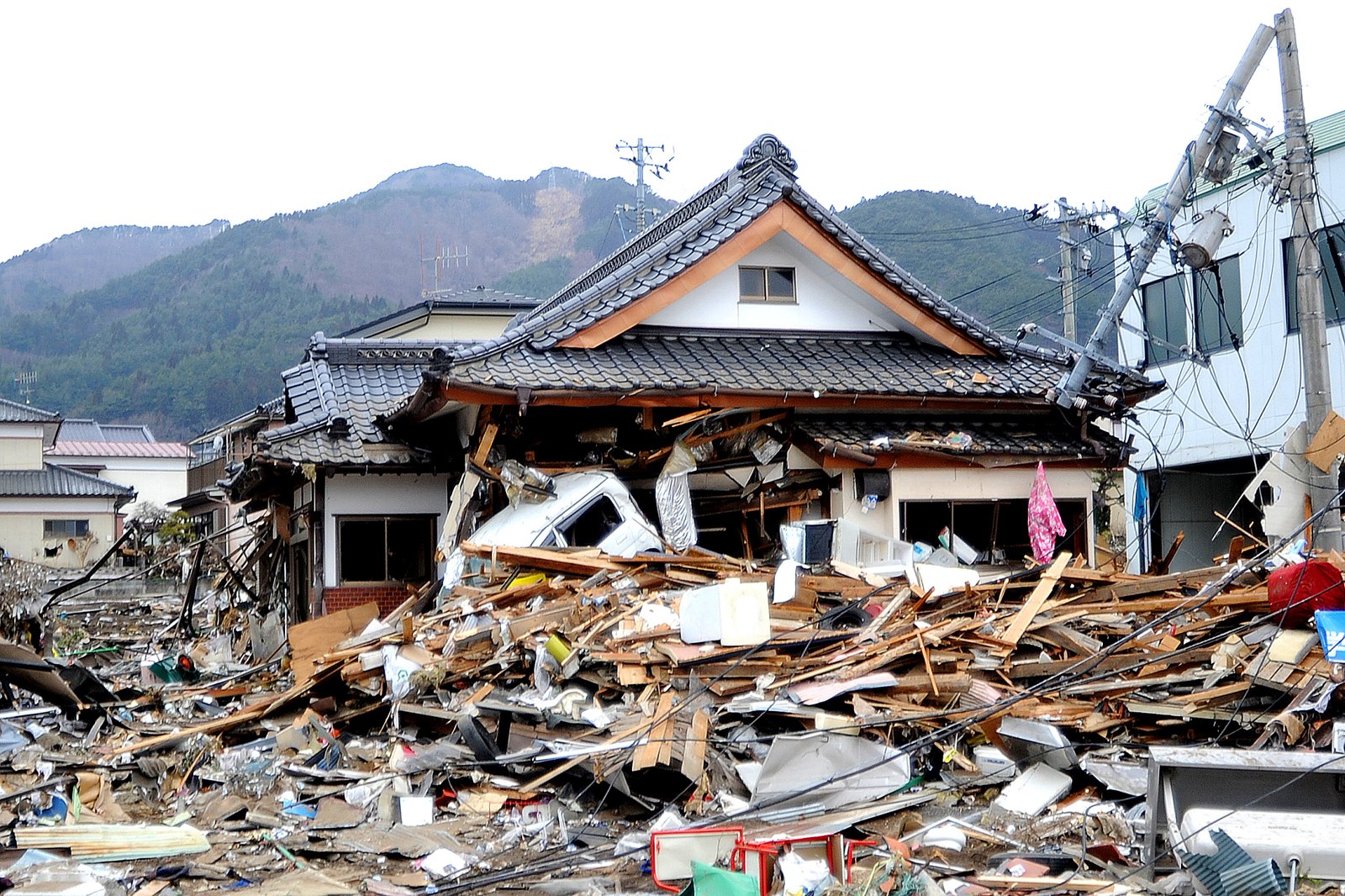
For thousands of Venezuelan families, the June 24 quakes turned homes into rubble overnight. The new mortgage scheme is less about interest rates.
It is more about whether the state can deliver on a promise of reconstruction.
If you lost your home in the June 24 earthquakes, Venezuela’s government has opened a door to rebuild. It comes with paperwork, patience, and a clear understanding of the numbers.
Venezuela’s earthquake mortgages are authorized for three state banks. They operate under the “Venezuela Renace” program.
This offers a rare path to homeownership in a country where credit has been scarce for years. The catch?
You need to prove you qualify. You also need to know exactly what subsidy tier applies to your situation before you sign anything.
Who Can Apply and What You Need
The program targets people whose primary residences were destroyed by the June 24 earthquakes. It also covers homes rendered uninhabitable by the quakes.
Your home must be officially certified as unsafe to live in. It must be uninhabitable, not just damaged.
You also need to be registered as an affected person. You must have title or other proof that you owned the property.
If you were renting or lacked formal documentation, the program may not cover you. The government has not clarified whether alternative proof would be accepted.
The three banks named so far are all state-controlled. They are Banco de Venezuela, Banco Digital de los Trabajadores (BDT) and Banco del Tesoro.
Private banks in Venezuela have largely retreated from long-term mortgage lending. This is due to hyperinflation and currency instability.
The government is routing this through its own institutions. That suggests it wants direct control over who gets credit and on what terms.
One report indicates other banks will join later. No timeline has been given.
The Subsidy Structure, Explained
Here’s where the numbers get important. For homes valued up to US$70,000, the state covers 80% of the cost.
You finance the remaining 20% over 25 years. For homes valued between US$70,000 and US$100,000, the state subsidy drops to 50%.
You finance the other half over the same 25-year period. In practice, a US$50,000 home would require you to finance US$10,000.
That is a manageable sum on paper. The real question is what interest rate applies.
You also need to know if the loan is in bolívars or U.S. dollars. The research does not specify either.
You should ask the bank directly before committing.
It’s also worth noting that the subsidy is not a cash payment. It’s a reduction in the principal you owe.
That reduction is applied at the time of purchase or reconstruction. You won’t see money in your bank account.
Instead, the state effectively pays its share to the builder or seller. If you’re planning to rebuild on the same plot, you’ll need to confirm something.
Does the program cover construction costs or only the purchase of a new home? The research does not clarify this.
Treat it as an open question when you apply.
Why This Matters Beyond Venezuela’s Borders
If you’re living in or invested in Latin America, this program is a test case. It shows how governments respond to natural disasters in economies with limited credit markets.
Venezuela’s approach uses state banks to subsidize mortgages. It is a direct intervention that other countries in the region may watch closely.
This is especially true for those with high informal housing rates or weak banking sectors. For expats and nomads, it’s also a signal.
If you own property in Venezuela or are considering it, the legal framework for disaster recovery is still being written. It may affect property values and insurance requirements.
For investors, the program is a reminder. Venezuela’s real estate market operates under different rules than most of Latin America.
The subsidy structure effectively sets a price ceiling on what the state considers reasonable housing. That ceiling is US$100,000.
This could influence how developers price new units in quake-affected areas. It also suggests the government is willing to absorb significant fiscal costs.
This is to maintain social stability after a disaster. That is relevant for anyone assessing political risk in the region.
What to Watch For Next
The biggest unknown is execution. Venezuela has a history of announcing ambitious programs that stall at the implementation stage.
You should ask the banks for written terms. Ask about interest rates and whether the loan is inflation-indexed.
Ask what happens if you miss a payment. Also ask whether the 25-year term is fixed or renegotiable.
Ask whether the subsidy is applied upfront or after construction is completed. None of these details are in the research.
You’ll need to get them in writing.
Another point to watch is whether the program expands to private banks. If it does, that could signal a broader reopening of Venezuela’s mortgage market.
That would be significant for anyone considering long-term investment in the country. For now, the three state banks are your only option.
They may have limited capacity to process applications quickly. Patience will be essential.
So will a clear understanding of your rights under the program.
Frequently Asked Questions
What exactly is the Venezuela Renace program?
It’s a government initiative to help people who lost their primary homes in the June 24 earthquakes. Three state banks are authorized to issue subsidized mortgages under this program.
They are Banco de Venezuela, Banco Digital de los Trabajadores (BDT) and Banco del Tesoro. The state covers a portion of the home’s cost.
You finance the rest over 25 years.
How much of the home cost does the state cover?
For homes up to US$70,000, the state subsidizes 80%. You finance the remaining 20%.
For homes between US$70,000 and US$100,000, the subsidy is 50%. You finance the other 50%.
In both cases, the repayment term is 25 years.
What documents do I need to apply?
You must show proof of affected-person registration. You need an official certification that your home is uninhabitable.
You also need title or other proof of ownership. Without these three documents, your application is unlikely to be processed.
Connected Coverage
Sources: Venezuelan government; Banca y Negocios; El Universal, August 2026.
This article was produced by The Rio Times’ automated newsroom system. How we use AI · Report an error
Read More from The Rio Times