Uruguay’s Steady Hand on Prices Sets It Apart in South America
Uruguay has done what many of its neighbors have not: it has kept inflation low and steady, with the official annual rate at 4.53% in July 2025, right in line with the Central Bank’s target of 4.5% (plus or minus 1.5%).
This marks over two years that Uruguay has stayed within its safe inflation zone—a rarity in the region. This achievement comes from focusing on market-based policies.
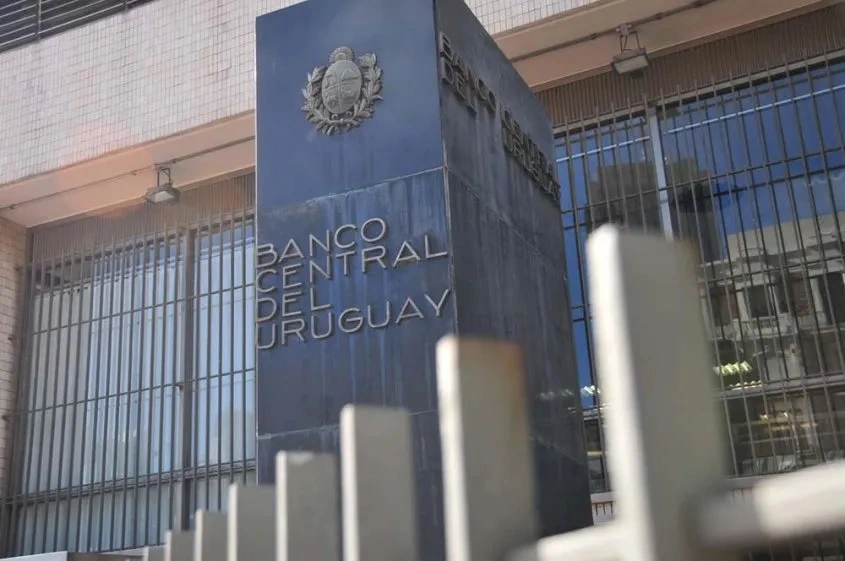
Uruguay’s Central Bank manages inflation mainly through adjusting interest rates, not by controlling or manipulating the local currency. In July, it slightly lowered the main policy rate to 9%, signaling confidence that inflation would stay on track, barring big shocks.
Food and non-alcoholic drinks, which make up about a quarter of people’s household spending, went up by 5.1% in the past year.
Other things like healthcare and restaurant prices rose even faster, but housing, transport, and clothing prices mostly eased, with some falling slightly. On the whole, prices barely changed from June to July.
This stability matters. High or unpredictable inflation hurts families, especially those on tight budgets, and scares off investors looking for safe places to do business.
But steady prices support local businesses and give families confidence that their wages and savings will hold value. In Uruguay, people can plan and save, which is something not always possible in neighboring countries.
Even with moderate economic growth forecast at 2.8% this year and unemployment steady near 8%, Uruguay’s story speaks about more than just numbers.
Businesses and investors trust its institutions because rules remain clear and respected. This has helped Uruguay remain a calm spot in a region often shaken by economic storms.
More: Latin America news in English, every day from The Rio Times.
This article was produced by The Rio Times’ automated newsroom system. How we use AI · Report an error
Read More from The Rio Times