Uruguay Keeps Rate at 9.25% as Core Inflation Resists Easing
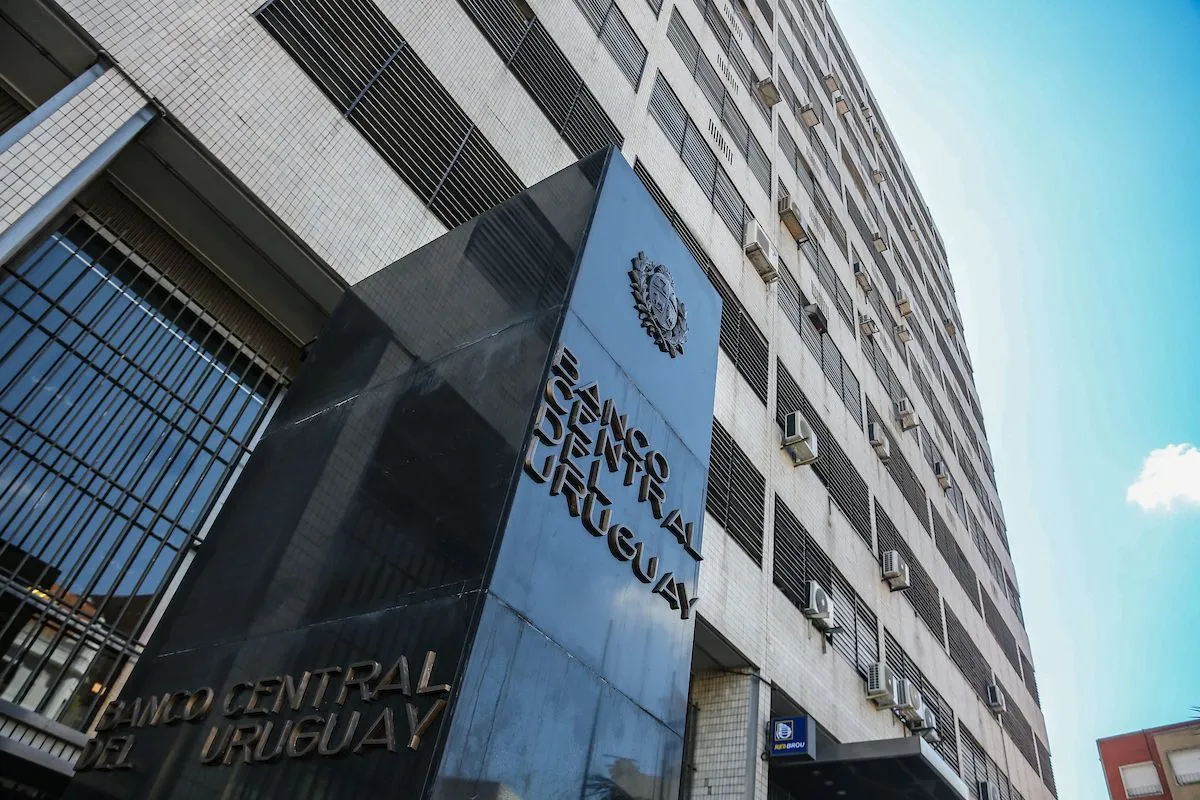
The Central Bank of Uruguay maintained its benchmark interest rate at 9.25% in May 2025, marking the third consecutive pause after four hikes totaling 150 basis points since late 2024.
This decision extends the longest monetary tightening cycle since 2022, targeting core inflation that remains stuck near 6% despite headline inflation cooling to 5.36% in April.
Price increases have stayed within the central bank’s 3–6% target band for 23 straight months, a record since adopting inflation targeting in 2020.
Yet policymakers highlight persistent pressures in tradable goods and services, with core inflation exceeding the target ceiling for five consecutive quarters.
Two-year analyst forecasts dipped to 5.5% in May from 5.8% in April, while market-based projections fell to 5.3%, still above the 4.5% goal. Economic growth shows mixed signals, slowing to 2.9% year-on-year in early 2025 as agriculture’s post-drought rebound fades.
The services sector now drives expansion, with tourism revenues up 14% in Q1. Currency appreciation has cut import costs by 8% since 2024, helping contain food inflation at 5.57% in April, down from 6.32% in March.
Monetary transmission appears effective: mortgage rates climbed to 9.1% from 7.8% since December 2024, while corporate borrowing costs rose 180 basis points. Credit growth halved to 4.8% in Q1 compared to 2024 averages.
The bank projects inflation could hit 4.5% within 12 months if current trends hold, though warns of risks from Argentina’s economic crisis and volatile U.S. trade policies.
With real rates now at 3.75% above the estimated neutral level, Uruguay’s hawkish stance contrasts with regional peers easing policies. The next rate decision on June 27 will test whether disinflation momentum justifies ending South America’s most aggressive tightening cycle.
More: Latin America news in English, every day from The Rio Times.
This article was produced by The Rio Times’ automated newsroom system. How we use AI · Report an error
Read More from The Rio Times