Uruguay Inflation Climbs to 3.77% as Fuel Hikes Bite
Uruguay · Markets
Key Facts
—The number. Uruguay inflation rose to 3.77% annually in May 2026, with consumer prices up 0.70% on the month, about six tenths of a point above April’s reading.
—The driver. A second monthly fuel adjustment was the main cause, with diesel up 14% and petrol about 7%, feeding through to transport and distribution costs.
—The food angle. Sharp rises in several cuts of beef added to the pressure, pushing up the food component of the index.
—The context. Despite the acceleration, annual inflation remains below the central bank’s 4.5% target and inside its 3–6% tolerance band for a 35th straight month.
—The stake. A year ago May inflation stood at 5.05%, so even after two months of increases Uruguay is running well below its 2025 pace — but analysts are watching for second-round effects.
Two months of fuel-price increases have nudged Uruguay’s inflation higher, but the small South American economy is still printing numbers its central bank would have welcomed a year ago.
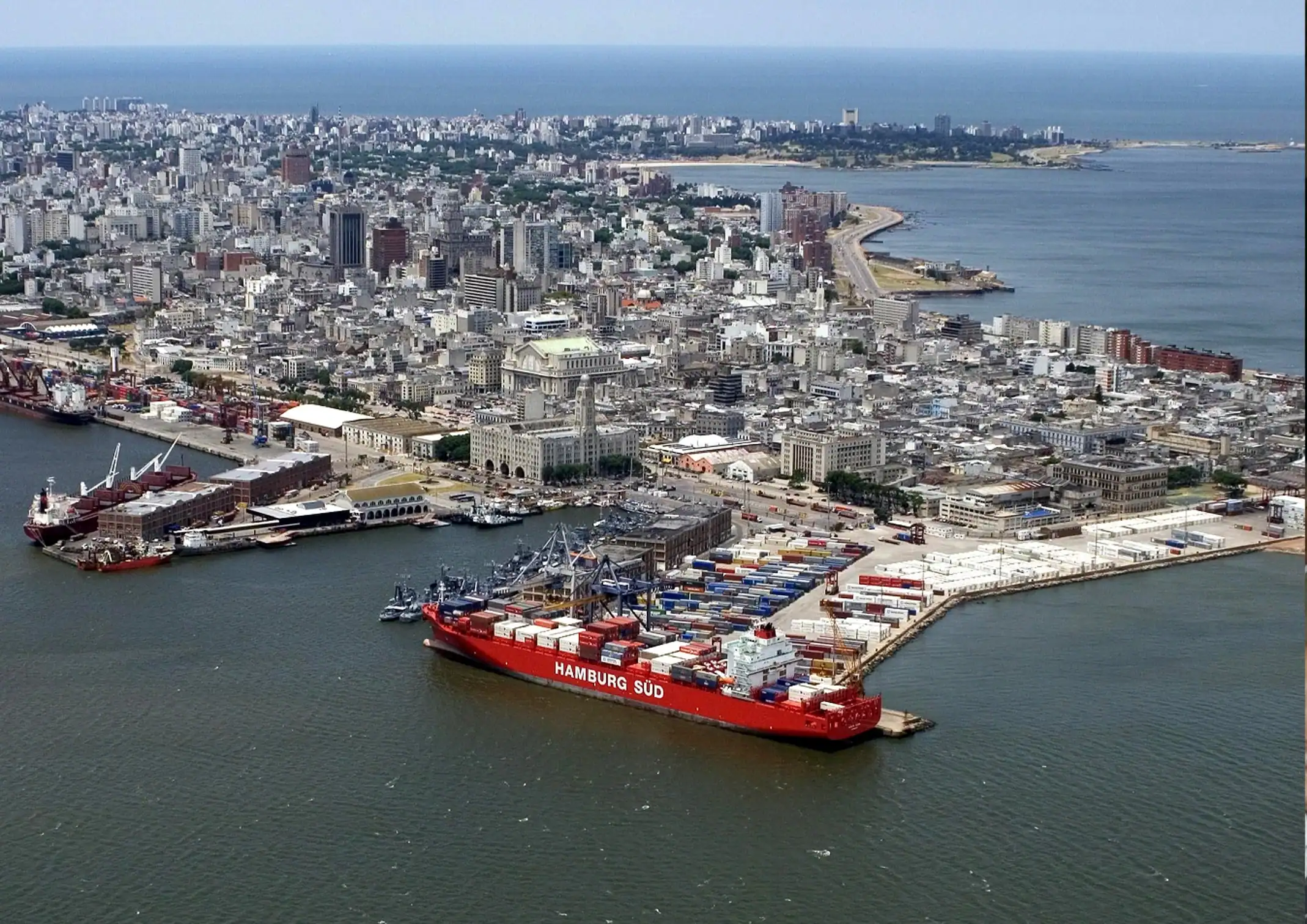
Uruguay inflation rises for a second month
Consumer prices in Uruguay rose 0.70% in May 2026, the national statistics institute INE reported, lifting the annual inflation rate to 3.77% — roughly six tenths of a percentage point above April’s figure and the second consecutive monthly acceleration. The year-to-date increase reached 2.95%.
Analysts had expected a more moderate monthly rise of around 0.55%, so the outcome came in hotter than the market anticipated.
Even with the pickup, the annual rate sits comfortably below where it stood a year earlier, when May 2025 inflation registered 5.05%. The transport division was the single largest contributor to the monthly increase, followed by food and non-alcoholic beverages and by the housing, water, electricity and fuels grouping.
Core inflation — which strips out fresh produce and regulated prices — rose a more contained 0.34% on the month for an annual rate near 3.6%, suggesting the underlying trend is calmer than the headline.
Why fuel and beef did the damage
The proximate cause was a second round of fuel-price increases set in May. Diesel rose 14% and petrol climbed about 7%, adjustments that flowed directly into transport and distribution costs and, from there, into the prices consumers pay at the till.
On top of that, several cuts of beef — a staple of the Uruguayan diet and a meaningful weight in the food basket — saw notable increases, reinforcing the upward push.
The fuel adjustments reflect global energy-price pressures tied to geopolitical tension, the same external force lifting costs across much of the region. Uruguay’s central bank had anticipated this kind of move: at its most recent monetary policy meeting it held the benchmark rate at 14.75%, citing both local inflation and the international uncertainty stemming from the conflict in the Middle East as the central considerations in its decision.
Still inside the target, but watch the pass-through
For all the monthly noise, the bigger story is one of relative stability. Annual inflation has now spent 35 consecutive months inside the central bank’s 3–6% tolerance range and remains below the 4.5% target that sits at the centre of that band.
After Uruguay briefly dipped below the 3% floor earlier in the year, the recent increases have pushed the rate back toward the middle of the range rather than out of it.
The risk that economists are monitoring is pass-through. If the fuel adjustments consolidate or are replicated in other regulated services, the increases could spread to other parts of the consumer basket, intensifying the transmission to broader prices.
For now, expectations still point toward inflation converging back toward the centre of the target range — the central bank’s stated goal and a key reference for the government’s economic team. The May data is a reminder that even a comparatively well-anchored economy is not immune to the energy-price shocks rippling out from beyond its borders.
More: Latin America news in English, every day from The Rio Times.
Frequently Asked Questions
What is Uruguay’s current inflation rate?
Annual inflation reached 3.77% in the year to May 2026, after a 0.70% monthly increase — the second consecutive monthly acceleration.
What caused the increase?
A second monthly fuel adjustment was the main driver, with diesel up 14% and petrol about 7%, alongside rises in several cuts of beef.
Is inflation still within the central bank’s target?
Yes. At 3.77%, annual inflation remains below the 4.5% target and inside the 3–6% tolerance range, a streak that has now lasted 35 consecutive months.
What are analysts watching next?
The main risk is pass-through: if fuel adjustments consolidate or spread to other regulated services, the increases could feed into the wider consumer basket.
Connected Coverage
Uruguay’s fuel-driven uptick echoes the energy-price pressures the OECD cited in trimming Peru’s 2026 growth outlook. The same external forces are shaping the region’s broader inflation and growth picture across South America.
This article was produced by The Rio Times’ automated newsroom system. How we use AI · Report an error · Editorial responsibility: Matthias Camenzind, Editor-in-Chief