U.S. Sharpens Focus on Chinese Tech, Eyes New Tariffs for Drones and Solar
The US government has begun formal reviews that could add costly tariffs to imports of drones and a key solar material, polysilicon.
The Commerce Department launched these probes out of concern that relying heavily on foreign suppliers—especially China—puts American industries and security at risk.
China is central in both cases. Chinese companies produce about 77% of the world’s polysilicon. Large factories in Xinjiang, supported by local government policy and low energy costs, account for roughly 45% of all output.
Nearly all solar panels used globally start with this Chinese raw material, and about seven in ten of the top solar panel makers are Chinese. This makes the world’s solar push—and the US transition to cleaner energy—deeply tied to imports from China.
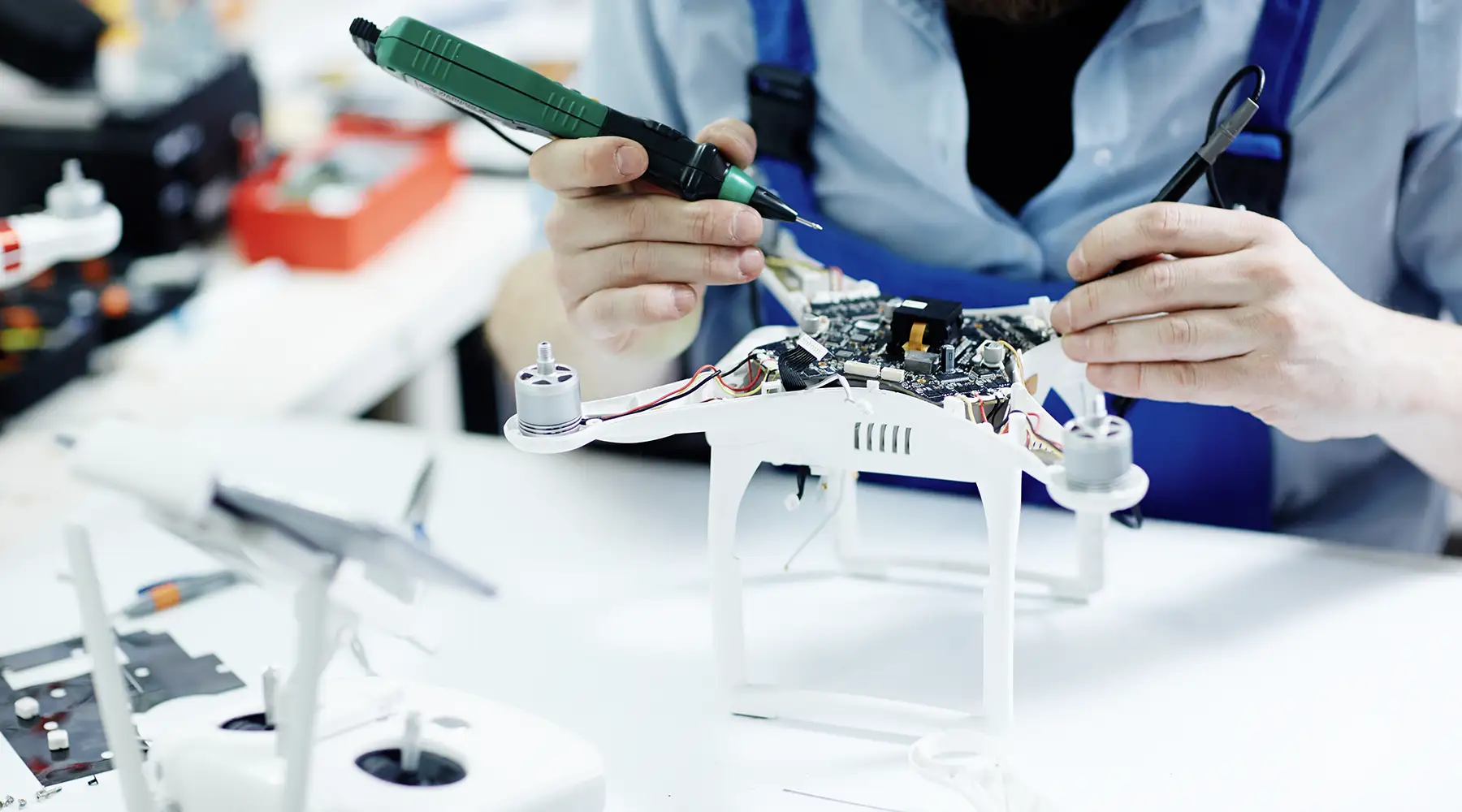
The picture is similar for drones. DJI, a Chinese firm, supplies close to 80% of consumer and commercial drones sold globally; its market share in the US approaches 85%.
American and European manufacturers offer some options, but lower Chinese prices and advanced features win on the market. US businesses, law enforcement, farmers, and even some government agencies buy Chinese drones for their low cost and ease of use.
Congress gave the president power to tax imports if they threaten national security. The law, called Section 232, already covers steel and aluminum.
Now drones and solar materials are under the same spotlight. The Commerce Department has about nine months to decide if tariffs are justified against these imports.
US Eyes Tariffs to Reshape Supply Chains
Many US officials and industry leaders say these tariffs could make supply chains safer and kick-start more American manufacturing. Still, businesses that depend on Chinese imports worry about rising costs and supply problems.
These potential tariffs are not just about trade friction. They reveal how the US wants to control the “building blocks” of modern business—basic materials and devices used everywhere in daily life, from solar power to security cameras.
Problems such as forced labor claims in Xinjiang add to the drive to rethink where and how essential products are made. What is clear is that the US aims to reduce reliance on a single foreign source for technologies vital to its economy.
If tariffs arrive, businesses could pay more, but the goal is a steadier, more self-reliant supply—which matters whenever global tensions rise.
This review of Chinese drone and solar imports is a warning: what looks cheap and easy today can turn into a weak spot tomorrow if trade partners disagree or global issues flare up. For business and society, this shift marks a careful reassessment of both risk and reward.
This article was produced by The Rio Times’ automated newsroom system. How we use AI · Report an error
Read More from The Rio Times