U.K. and India Seal Major Trade Pact, Redrawing Bilateral Commerce
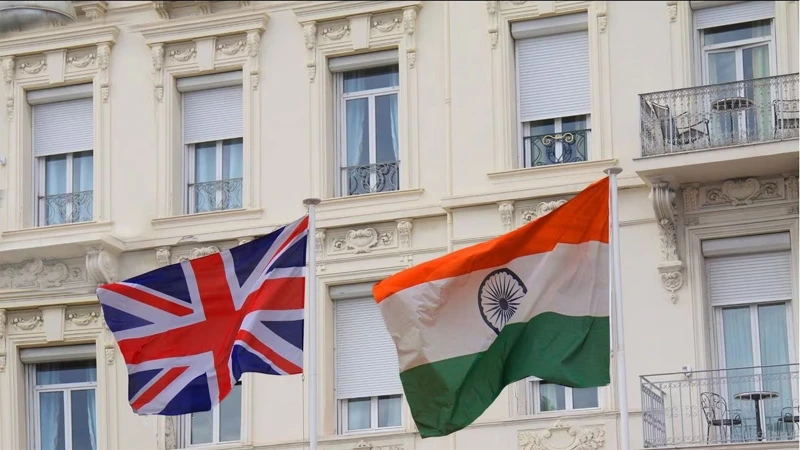
On May 6, 2025, official government releases confirmed that the United Kingdom and India finalized a comprehensive free trade agreement after three years of negotiations.
This deal, the largest bilateral trade pact for the UK since leaving the European Union, aims to reshape economic ties between the world’s fifth and sixth largest economies.
Both governments expect the agreement to increase annual bilateral trade by £25.5 billion by 2040. UK officials project it will add £4.8 billion to the British economy each year and boost wages by £2.2 billion.
The agreement targets real economic growth, not just headline figures. India, known for high import tariffs, will reduce taxes on 90% of British goods, including whisky, cars, medical devices, and cosmetics.
Within a decade, 85% of these goods will enter India tariff-free. Tariffs on British whisky and gin will fall from 150% to 75% immediately, then drop to 40% after ten years.
Automotive tariffs will decline from over 100% to 10% for a set quota. UK exporters of lamb, aerospace equipment, soft drinks, and chocolate will also benefit.
Britain will eliminate tariffs on 99% of Indian exports, giving India’s large textile and apparel sector, which employs millions, new access to UK markets. Indian exporters of marine products, leather, gems, jewelry, engineering goods, and auto parts will also gain.
The UK will remove duties on Indian soft drinks and lamb, with tariffs on these goods dropping from 33% to zero. These changes will lower prices for UK consumers and give Indian manufacturers an edge.
The agreement includes a social security clause. Temporary Indian workers in the UK and their employers will not pay UK social security contributions for three years. This addresses a longstanding cost issue for Indian service firms and makes short-term postings more attractive.
The deal does not alter the UK’s points-based immigration system. Indian professionals can work in the UK under existing rules, but the agreement does not open new migration routes.
This trade pact responds to global tariff instability, especially after US tariff hikes under President Trump. Both the UK and India accelerated negotiations to protect their export sectors and reduce exposure to external shocks.
The agreement also sets a template for India’s future talks with the US and EU, showing willingness to open protected sectors in exchange for better market access.
In 2024, UK-India trade reached £42.6 billion, with India as Britain’s 11th largest trading partner. The new agreement seeks to expand this relationship, offering businesses in both countries more certainty and new markets.
The deal’s impact will depend on how businesses use the new opportunities and whether both sides maintain their commitments. All figures and claims in this article come from official government statements and published data. No information has been fabricated or altered.
This article was produced by The Rio Times’ automated newsroom system. How we use AI · Report an error
Read More from The Rio Times