Trump Orders Section 301 Trade Probe: US-Brazil Economic Ties Face Sharp Test
Official statements from the Office of the United States Trade Representative confirm that President Donald Trump has directed a formal investigation into Brazil’s trade practices under Section 301 of the US Trade Act of 1974.
This move follows the announcement of a 50% tariff on all Brazilian imports, set to begin August 1, 2025. The decision marks the most severe trade measure the US has taken against Brazil in recent years.
Section 301 gives the US government authority to investigate and respond to foreign trade actions that it deems unfair or harmful to American commerce.
The US Trade Representative can impose tariffs, suspend trade concessions, or negotiate binding agreements if the investigation finds that another country’s policies or practices burden US trade.
Since the law’s passage, the US has used Section 301 in over 130 cases, but it has rarely targeted Brazil with such force. President Trump’s letter to Brazil’s President Luiz Inácio Lula da Silva links the new tariffs and the Section 301 probe to two main issues.
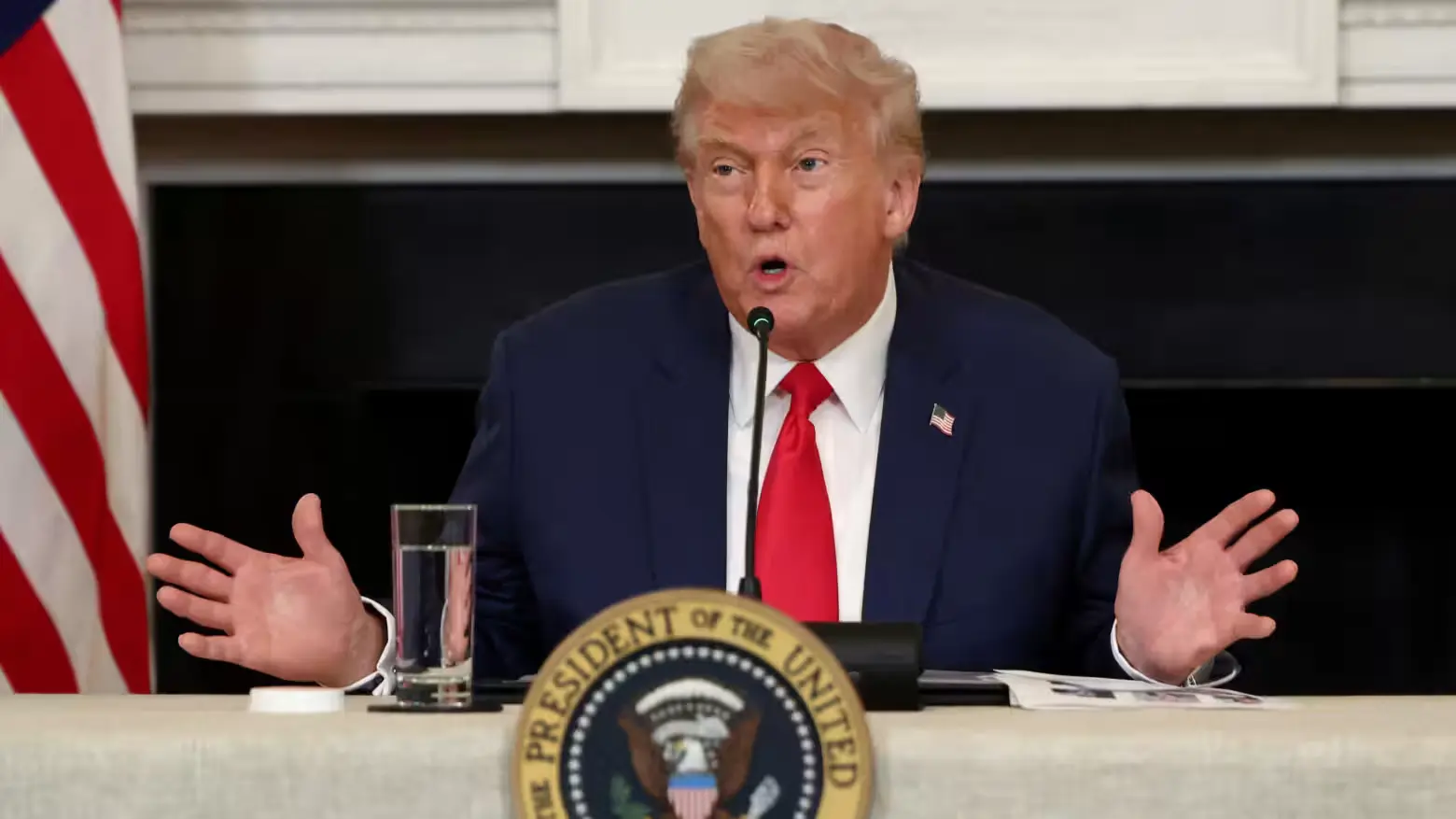
First, Trump points to Brazil’s regulations and court orders affecting US social media companies, which he claims restrict American business and violate free speech.
Second, he cites the ongoing criminal trial against former Brazilian president Jair Bolsonaro, describing it as a politically motivated attack. Trump’s letter calls the trial a “witch hunt” and demands that it end immediately.
Trade Tensions Impact Currency and Markets
Brazil responded by invoking its Economic Reciprocity Law, promising to match any US tariffs with equivalent measures. Brazil’s government also disputed Trump’s claims about trade imbalances, stating that the United States actually runs a surplus in trade with Brazil.
The US Census Bureau reports a $6.8 billion US trade surplus with Brazil in 2024, and Brazilian officials note that US surpluses have totaled $410 billion over the last fifteen years.
Brazil is the United States’ 15th largest trading partner, with total two-way trade reaching $92 billion in 2024. Key Brazilian exports to the US include steel, iron, coffee, orange juice, and machinery.
The 50% tariff represents a dramatic increase from the previous 10% rate imposed earlier in the year. After the announcement, Brazil’s currency, the real, fell by over 2% against the dollar, and the São Paulo stock exchange dropped by 1.3%.
Shares in major exporters like Embraer declined sharply. Section 301 investigations can take months and involve public hearings, consultations with the foreign government, and recommendations from a special committee.
If the US does not reach an agreement with Brazil, it can act unilaterally, imposing tariffs or other restrictions. Actions under Section 301 usually last up to four years but can be extended or reinstated.
This trade dispute has immediate consequences for both countries. US importers of Brazilian goods face higher costs, while Brazilian exporters risk losing market share.
The escalation also injects uncertainty into global supply chains and business planning. The world’s attention now turns to how both governments will navigate the investigation and whether they can avoid a prolonged trade conflict.
Read More from The Rio Times