TotalEnergies Ships Mexican LNG to Asia, Skipping Panama

Energy
Key Facts
—The cargo. ECA LNG Phase 1, at Ensenada in Baja California, loaded and shipped its first cargo, bound for Asia.
—The owners. Sempra Infrastructure (NYSE: SRE) operates the plant; TotalEnergies (NYSE: TTE) holds 16.6%.
—The plant. A single liquefaction train with a nameplate capacity of 3.25 Mtpa, fed by American gas piped from the Permian Basin.
—The offtake. TotalEnergies will take 1.7 Mtpa for twenty years, roughly 52% of nameplate, and is sole buyer during ramp-up.
—The route. It is the first liquefaction plant on Mexico’s Pacific coast, and reaches Asia without the Panama Canal.
—What is next. Substantial completion is expected in summer 2026, and a much larger second phase is in development on the same site.
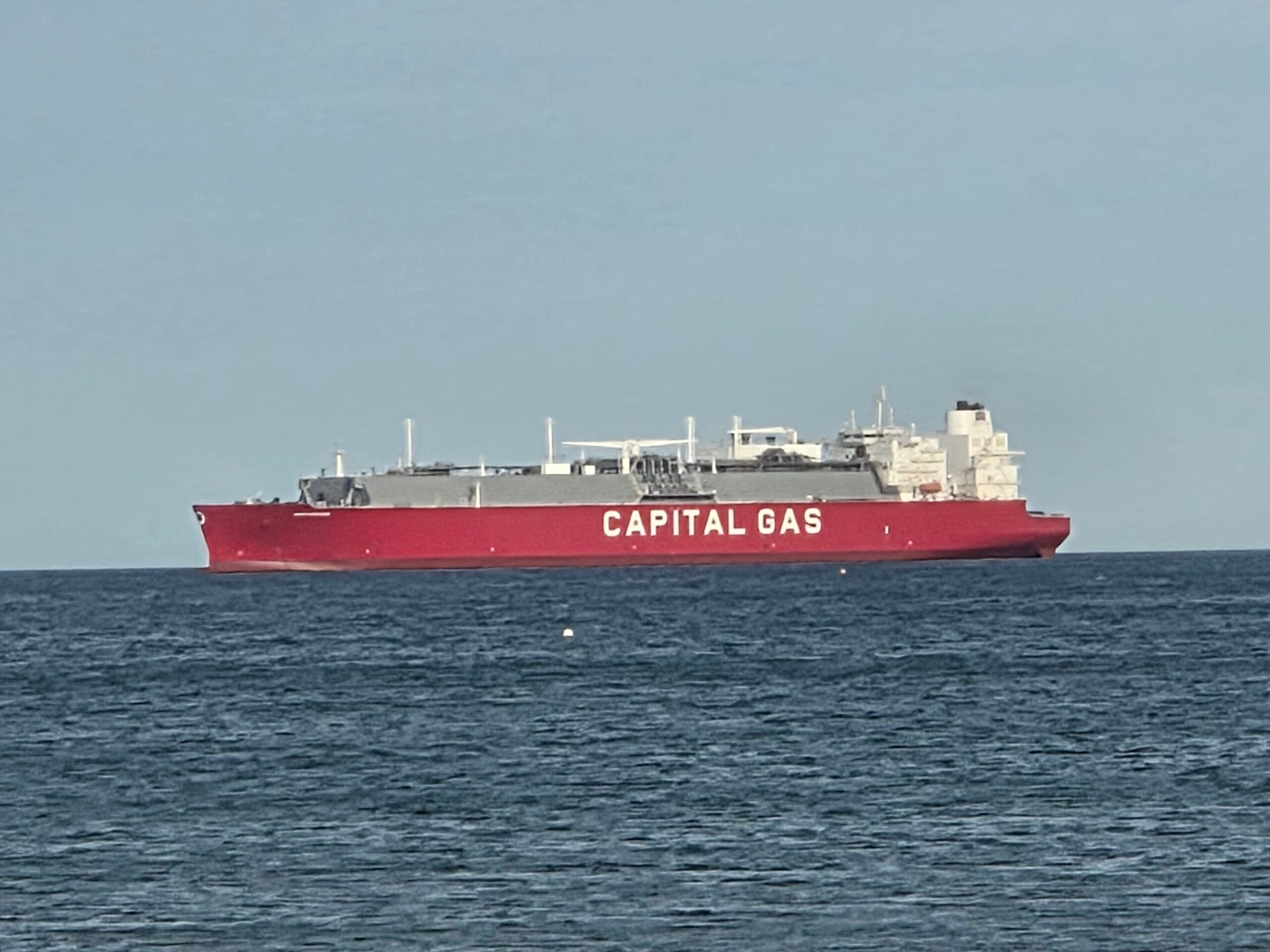
A tanker has left Ensenada carrying gas drilled in Texas, sold by a French company, bound for Asia. The first Mexico LNG export cargo from the Pacific coast never goes near the Panama Canal, and that is the entire point of it.
Sempra Infrastructure confirmed the loading late on Wednesday. TotalEnergies, which holds just under seventeen percent of the project, is the buyer.
The plant is called ECA LNG, short for Energía Costa Azul, and it sits in Baja California. It is a single liquefaction train with a nameplate capacity of three and a quarter million tonnes a year.
Why Mexico LNG is not really Mexican
The gas does not come from Mexico. It is pumped out of the Permian Basin, across Texas and New Mexico, and piped south across the border to be chilled into liquid on the Pacific shore.
Mexico supplies the coastline, the labour and the permits. It earns from geography rather than from geology, which is an unfamiliar and rather profitable position for a country used to selling its own crude.
There is a neat piece of engineering economy here too. The site already held a terminal built to import liquefied gas, and the operator reused it to cut the cost of building one that exports.
A plant designed to bring gas into North America now sends it out. That reversal is the shale revolution rendered in concrete.
Ensenada lies a short drive south of the American border, on the ocean side of the peninsula. For Sempra the plant completes what the company calls a dual-coast portfolio, with terminals on the Gulf of Mexico and now on the Pacific.
That geography is the product. A customer in Tokyo or Seoul can now buy American molecules without accepting American shipping constraints, and Sempra can price accordingly.
The canal is the whole trade
Almost every American liquefaction plant sits on the Gulf Coast. A cargo from there to Japan or Korea must squeeze through the Panama Canal, wait for a slot, or sail the long way round.
Ensenada faces the Pacific directly. In its announcement, Sempra called that the shortest shipping route to Asia and other Pacific Basin markets, cutting time, cost and uncertainty.
The word doing the work in that sentence is uncertainty. Sempra’s chief executive framed the shipment as a reliable new source at a moment of increased upheaval in global gas trade, and the upheaval he means is not hypothetical.
Asian buyers have spent this year watching tankers burn near the Strait of Hormuz. A supply route that touches no chokepoint at all is worth a premium that has nothing to do with the price of the molecule.
What a minority holder bought
Look closely at TotalEnergies’ position and the arithmetic is striking. The French group owns just under seventeen percent of the venture, yet has contracted to lift 1,700,000 tonnes a year for two decades once commercial sales begin.
Against a nameplate of three and a quarter million tonnes, that is about fifty-two percent of everything the train can produce. The rest is committed under a separate long-term contract with the Japanese trading house Mitsui.
A minority shareholder has therefore locked up the majority of the output. That is not an equity play, it is a supply position, and for the world’s third-largest liquefied-gas trader it buys Pacific reach that its American terminals cannot offer.
The full commercial phase is expected in the summer, when the long-term contracts begin. A second and considerably larger phase is already in active development on the same site.
The scale behind the position is worth stating. TotalEnergies traded a portfolio of forty-four million tonnes of liquefied gas last year, ranking third worldwide, and holds regasification capacity in Europe that exceeds twenty million tonnes a year.
Its chief executive described the new plant as offering “privileged access to Asian markets”. The group wants natural gas to make up close to half its sales by 2030, and cargoes like this one are how that target gets met.
Where does the Mexico LNG gas come from?
From the Permian Basin in Texas and New Mexico, piped across the border. Mexico liquefies and ships it rather than producing it.
Why avoid the Panama Canal?
Gulf Coast cargoes to Asia must transit the canal, queue for a slot, or take a far longer route. A Pacific-coast plant removes that dependence entirely.
Is the plant fully operational?
Not yet. It is still commissioning, with substantial completion expected in the summer and long-term sales starting shortly afterwards.
More: Mexico news in English, every day from The Rio Times.
Frequently Asked Questions
Who owns and operates the ECA LNG plant in Baja California?
Sempra Infrastructure operates the ECA LNG plant at Ensenada in Baja California. TotalEnergies holds a 16.6% stake in the project.
What is the significance of ECA LNG's Pacific coast location for shipments to Asia?
ECA LNG is the first liquefaction plant on Mexico's Pacific coast, which allows cargoes to reach Asia without passing through the Panama Canal. This direct Pacific route is a key strategic advantage of the facility's location.
What are the terms of TotalEnergies' offtake agreement for ECA LNG?
TotalEnergies will purchase 1.7 million tonnes per annum from ECA LNG for a period of twenty years, representing roughly 52% of the plant's nameplate capacity of 3.25 Mtpa. TotalEnergies is also the sole buyer during the ramp-up period.
This article was produced by The Rio Times’ automated newsroom system. How we use AI · Report an error · Editorial responsibility: Matthias Camenzind, Editor-in-Chief
LatAm Markets: Live Signals → — real-time movers, turnover leaders and FX across Latin America.