IBOV 187,502.60 ▲ 1.01% IPSA 11,289.90 ▼ 0.71% IPC MEX 64,479.96 ▼ 0.52% MERVAL 3,107,396 ▼ 0.09% COLCAP 2,580.41 ▼ 0.14% BVL PERÚ 60,702.89 ▼ 1.24% USD/BRL5.10▼ 0.26% USD/MXN16.96▲ 0.41% USD/CLP939.55▲ 1.28% USD/COP3,089▼ 0.89% USD/PEN3.35▼ 0.17% USD/ARS1,512▼ 0.12% USD/UYU40.24▲ 3.05% USD/PYG5,868▲ 2.26% USD/BOB12.36▲ 1.91% USD/DOP58.63▲ 0.22% USD/CRC447.58▲ 1.69% USD/GTQ7.63▲ 3.04% USD/HNL26.85▲ 0.57% USD/NIO36.62▲ 0.34% USD/VES825.67▼ 0.13% USD/PAB1.00— 0.00% USD/BZD2.00— 0.00% USD/JMD 157.28 — 0.00% USD/TTD6.73▲ 2.40% EUR/BRL5.93▲ 0.37% BRENT 88.88 ▼ 0.03% WTI 83.11 ▼ 0.11% IRON ORE 161.91 — — COPPER 6.61 ▲ 0.03% GOLD 4,461 ▲ 1.78% SILVER 65.59 ▲ 1.26% SOY 1,184 ▲ 3.20% CORN 480.50 ▲ 10.02% WHEAT 655.00 ▲ 3.93% COFFEE 317.25 ▼ 5.51% SUGAR 16.43 ▼ 1.79% ORANGE JUICE 138.55 ▼ 0.47% COTTON 85.03 ▲ 2.33% COCOA 5,719 ▲ 3.18% BEEF 223.60 ▼ 3.93% CATTLE 339.10 ▼ 3.16% LITHIUM 75.20 ▲ 1.47% PETR4 41.64 ▼ 0.05% VALE3 72.97 ▲ 0.83% ITUB4 38.60 ▼ 1.03% BBDC4 16.85 ▲ 0.36% ABEV3 14.89 ▼ 0.80% BBAS3 19.37 ▲ 0.47% B3SA3 14.26 ▼ 0.21% WEGE3 47.59 ▲ 0.49% PRIO3 59.14 ▼ 0.19% SUZB3 41.33 ▲ 2.35% RENT3 34.68 ▼ 0.09% AZZA3 15.89 ▼ 2.63% CSAN3 3.22 ▼ 1.83% RAIZ4 0.25 — 0.00% PCAR3 2.75 ▼ 0.36% GMAT3 3.65 ▼ 1.08% PSSA3 48.13 ▼ 0.54% CVCB3 1.33 ▼ 2.92% POSI3 3.36 ▲ 2.44% SLCE3 13.34 ▲ 0.30% NATU3 8.14 ▼ 0.73% IBOV 187,502.60 ▲ 1.01% IPSA 11,289.90 ▼ 0.71% IPC MEX 64,479.96 ▼ 0.52% MERVAL 3,107,396 ▼ 0.09% COLCAP 2,580.41 ▼ 0.14% BVL PERÚ 60,702.89 ▼ 1.24% USD/BRL 5.16 ▲ 0.01% USD/MXN 17.06 ▼ 0.24% USD/CLP 913.98 ▲ 0.04% USD/COP 3,140 ▲ 0.03% USD/PEN 3.36 ▼ 0.66% USD/ARS 1,493 ▲ 0.10% USD/UYU 40.27 ▲ 1.24% USD/PYG 5,939 ▲ 1.68% USD/BOB 11.64 ▼ 0.76% USD/DOP 58.34 ▲ 1.25% USD/CRC 445.92 ▲ 0.89% USD/GTQ 7.62 ▲ 2.21% USD/HNL 26.79 ▲ 1.57% USD/NIO 36.62 ▲ 0.69% USD/VES 762.44 ▼ 0.13% USD/PAB 1.00 — 0.00% USD/BZD 2.00 — 0.00% USD/JMD 157.28 — 0.00% USD/TTD 6.70 ▲ 0.61% EUR/BRL 5.95 ▲ 1.01% BRENT 88.88 ▼ 0.03% WTI 83.11 ▼ 0.11% IRON ORE 161.91 — — COPPER 6.61 ▲ 0.03% GOLD 4,461 ▲ 1.78% SILVER 65.59 ▲ 1.26% SOY 1,184 ▲ 3.20% CORN 480.50 ▲ 10.02% WHEAT 655.00 ▲ 3.93% COFFEE 317.25 ▼ 5.51% SUGAR 16.43 ▼ 1.79% ORANGE JUICE 138.55 ▼ 0.47% COTTON 85.03 ▲ 2.33% COCOA 5,719 ▲ 3.18% BEEF 223.60 ▼ 3.93% CATTLE 339.10 ▼ 3.16% LITHIUM 75.20 ▲ 1.47% PETR4 41.64 ▼ 0.05% VALE3 72.97 ▲ 0.83% ITUB4 38.60 ▼ 1.03% BBDC4 16.85 ▲ 0.36% ABEV3 14.89 ▼ 0.80% BBAS3 19.37 ▲ 0.47% B3SA3 14.26 ▼ 0.21% WEGE3 47.59 ▲ 0.49% PRIO3 59.14 ▼ 0.19% SUZB3 41.33 ▲ 2.35% RENT3 34.68 ▼ 0.09% AZZA3 15.89 ▼ 2.63% CSAN3 3.22 ▼ 1.83% RAIZ4 0.25 — 0.00% PCAR3 2.75 ▼ 0.36% GMAT3 3.65 ▼ 1.08% PSSA3 48.13 ▼ 0.54% CVCB3 1.33 ▼ 2.92% POSI3 3.36 ▲ 2.44% SLCE3 13.34 ▲ 0.30% NATU3 8.14 ▼ 0.73%
since 2009
Thursday, September 10, 2026

Africa Eastern Africa

The Battle for Uganda’s Soul: When Parliament Becomes a Theater

By · November 8, 2024 · 2 min read

Africa Intelligence

One email, every weekday morning. African markets, politics and business — filed from our newsroom in Rio.

Yesterday’s subject line: “Nigeria's Dangote signs for Africa's biggest IPO ever”

Free. We send a confirmation link first — nothing arrives until you click it. Unsubscribe with one click in any edition. If you stop opening us for 30 days we stop sending by ourselves, as we assume the interest is no longer there. See our privacy policy. We never share your email.

Uganda’s Parliament building stands tall in Kampala, but its power remains questionable. The recent coffee bill drama shows how this institution, meant to serve 45 million Ugandans, often bows to executive pressure.

This matters because every Ugandan farmer, trader, and citizen depends on fair representation. Think of Parliament as a family’s living room, where important decisions should be made together.

However, in Uganda’s case, one person holds all the remote controls. President Museveni, who has ruled since 1986, effectively controls what happens in this room.

The coffee bill story perfectly captures this power dynamic. Coffee represents Uganda’s economic backbone, supporting over 1.7 million farming families.

When Parliament met to vote on putting the coffee authority under government control, chaos erupted. Opposition members protested, lights went out, and security forces stormed in.
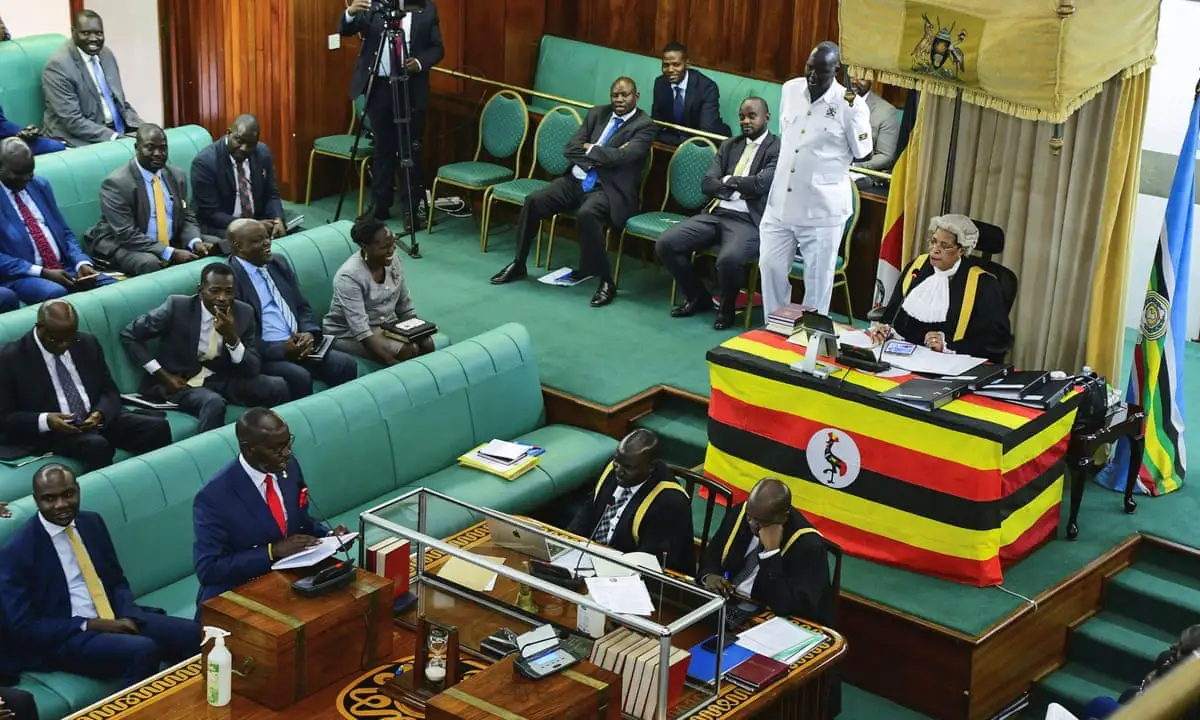
The Battle for Uganda's Soul: When Parliament Becomes a Theater
The Battle for Uganda’s Soul: When Parliament Becomes a Theater.
One-stop reference
Company Intelligence
Every listed company in Latin America — financials, ownership and structure for 1,450+ companies across 26 exchanges, in one place.
Browse the directory →
RT
Ask Rio Times
17 years of Latin America reporting, on demand.
Open the full Ask Rio Times →

Most Ugandans watched helplessly as their representatives were thrown out of Parliament. The ruling party then passed the bill without debate. This scene resembles a theater performance where the ending was already written backstage.

Uganda’s Declining Parliamentary Democracy

Uganda’s Parliament wasn’t always this way. During the early 1960s, it functioned as a real debating chamber. Leaders like Benedicto Kiwanuka and Milton Obote engaged in genuine policy discussions.

That golden age of parliamentary democracy proved shortlived. Today’s Parliament operates more like a rubber stamp factory.

Bills arrive from the president’s office and leave with approval stamps, regardless of public opinion. The coffee bill joins a long list of controversial laws passed without meaningful debate.

Money tells part of the story. Each member of Parliament receives substantial allowances and benefits from the government. This creates a powerful incentive to stay loyal to the ruling party rather than represent constituent interests.

The consequences reach far beyond Parliament‘s walls. When lawmakers can’t freely debate issues, citizens lose their voice. Farmers can’t influence agricultural policies. Business owners can’t shape economic rules.

Students can’t affect education decisions. International observers note this democratic decline but often prioritize regional stability over reform pressure.

Meanwhile, Uganda’s government maintains a facade of democracy while centralizing power. They point to regular elections and parliamentary sessions as proof of democratic function.

Real change would require more than just new faces in Parliament. Uganda needs reformed institutions that truly separate powers. Until then, Parliament risks remaining a puppet theater where the executive pulls all strings.

The coffee bill saga shows why this matters for every Ugandan’s daily life. This story represents more than just politics; it’s about whether 45 million Ugandans can shape their future through their chosen representatives.

As coffee farmers return to their fields and traders to their shops, they wonder if their Parliament will ever truly speak for them.

This article was produced by The Rio Times’ automated newsroom system. How we use AI · Report an error

Part of our ongoing coverage

Africa: The New Scramble — the great-power contest over the continent.

More from Eastern Africa

Read More from The Rio Times

The Rio Times · Power Map
See who really holds power in Latin America
Click to open the Power Map

Rotate for Best Experience

This report is optimized for landscape viewing. Rotate your phone for the full experience.