Thailand’s Central Bank Holds Firm Amid Fiscal Challenges
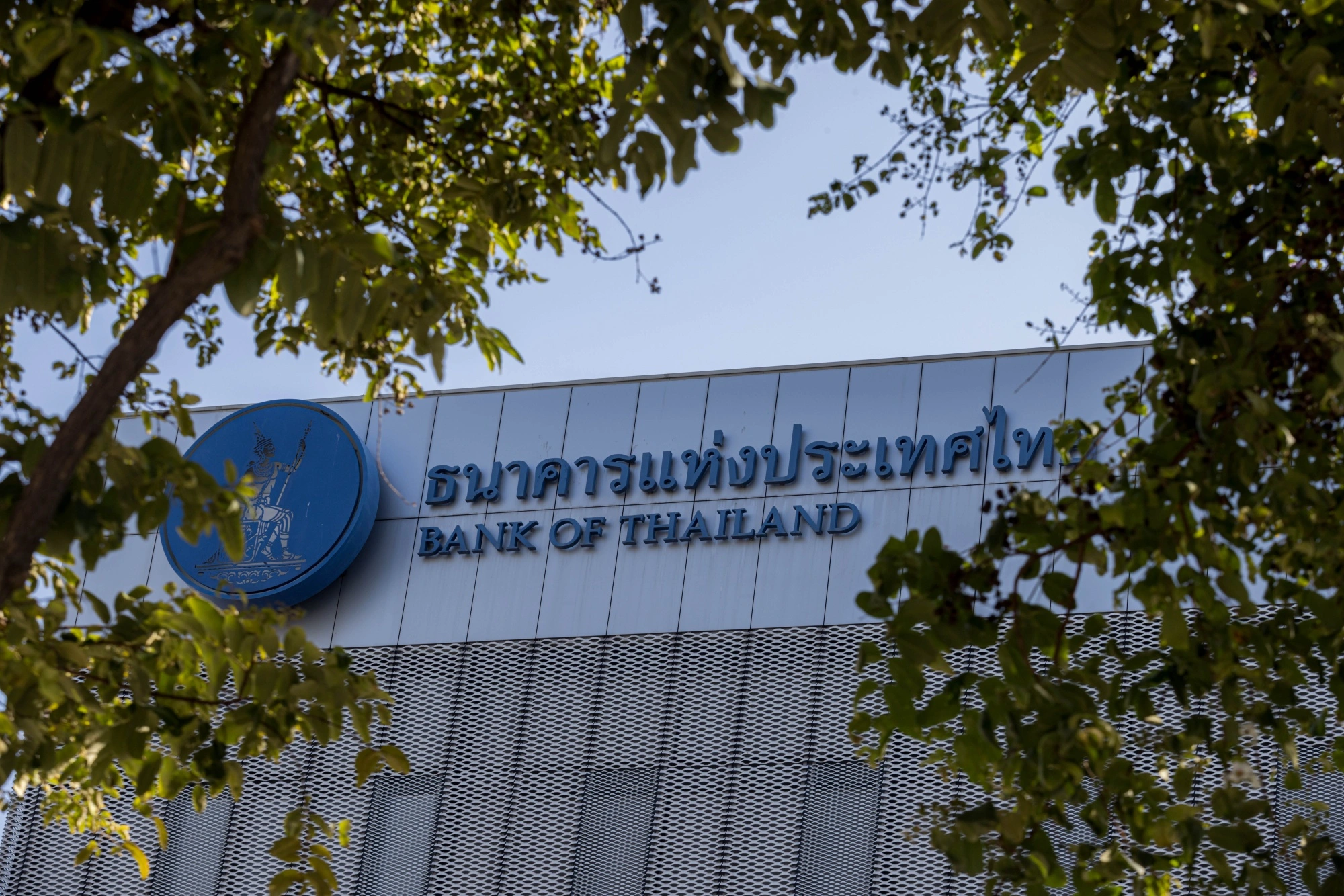
In a critical decision, Thailand’s central bank, the Bank of Thailand (BOT), has decided to keep its benchmark interest rate at 2.5%.
In addition, this marks the fourth consecutive time the rate has remained unchanged.
Such steadiness arrives amidst a complex backdrop of rising consumer spending, fluctuating political scenes, and growing economic demands.
Interestingly, 24 out of 27 economists predicted this outcome. They pointed to the central bank’s achievement of stabilizing inflation within its targeted range of 1%–3%.
Additionally, this was the first time in over a year that the target had been met. In May, headline inflation hit 1.54%, a clear sign of this target being met.
Economists forecast Thailand’s economy to grow by 2.6% this year. Factors like robust domestic demand, a rebound in tourism, and accelerated government expenditures fuel this optimism.
However, slower export growth amidst global trade tensions presents significant hurdles.
Prime Minister Srettha Thavisin, facing political unrest and potential judicial upheavals, remains focused on economic stimulation.
His government has proposed nearly $14 billion in cash handouts to boost the economy in the last quarter of the year. Yet, these plans hinge on navigating the country’s tense political waters.
The Bank of Thailand’s Steady Hand
The central bank‘s decision reflects a broader strategy of caution. Despite government pressure to cut rates, the majority of the monetary policy committee voted to maintain the current rate.
In addition, they fear premature cuts could trigger capital outflows and destabilize the national currency, the baht.
Moreover, the BOT’s stance is influenced by anticipated moves by the U.S. Federal Reserve.
Analysts speculate that any future rate adjustments by the BOT will align with the Fed to ensure economic stability.
With political and economic forecasts in flux, the Bank of Thailand’s commitment to steadiness in a sea of uncertainty underlines its crucial role in the country’s financial health.
In short, this careful navigation helps protect the economy from potential disruptions, ensuring that Thailand remains on a path to sustained growth and stability.
This article was produced by The Rio Times’ automated newsroom system. How we use AI · Report an error
Read More from The Rio Times