In a digitalizing world, tech giants like Microsoft and Google deem nuclear power crucial for powering large data centers.
However, they hesitate to invest in new reactor developments. This trend was highlighted at the American Nuclear Society’s ANS annual gathering, noting a significant shift in U.S. energy consumption.
Bill Gates, unlike his peers, has backed a nuclear project in Wyoming through TerraPower, set for 2030 completion but now delayed by two years.
This contrasts with Google’s Briana Kobor’s view that the risks and costs of new nuclear technologies are daunting. Southern Co. recently completed the U.S.’s first new nuclear facilities in years.
The project faced a seven-year delay and costs that exceeded the initial budget by 150%, highlighting the unpredictability of nuclear projects.
Microsoft’s Adrian Anderson suggests that tech companies focus on their expertise—data center construction—and leave energy production to utilities.
This approach shows a broader trend where tech giants support nuclear energy expansion but prefer utilities to assume the associated risks and investments.
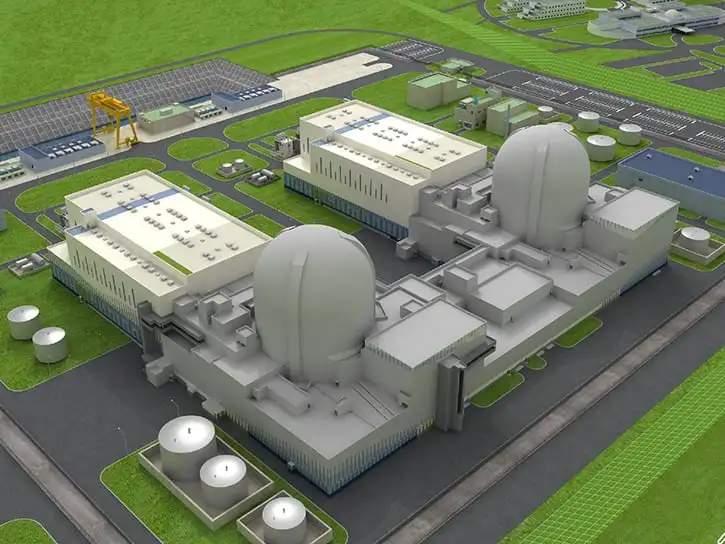
This stance minimizes financial exposure and keeps tech companies focused on their primary business domains without venturing into unfamiliar territories.
Experts indicate that while tech companies are interested in more nuclear power, substantial financial contributions from them are unrealistic.
They are more inclined to support and advocate for nuclear energy’s benefits rather than directly fund its development.
This strategy demonstrates how innovation, sustainability, and corporate strategy interconnect in today’s energy sector.
The tech sector’s nuclear efforts highlight balancing innovation with risk, aligning developments with business goals.
This article was produced by The Rio Times’ automated newsroom system. How we use AI · Report an error · Editorial responsibility: Matthias Camenzind, Editor-in-Chief