Senasa 2.0: Dominican Republic Detains 28 in Health Fraud Raids
DOMINICAN REPUBLIC · JUSTICE
Key Facts
- —What happened Dominican prosecutors arrested 28 people in 37 raids on Friday, 18 September 2026, in the Senasa 2.0 case.
- —The context It follows Operación Cobra, which in December 2025 detained former Senasa director Santiago Hazim and others.
- —Why it matters Senasa insures over 70% of Dominicans, so the fraud reaches clinics, labs and pharmacies many foreign residents use.
- —The catch No one has been convicted, and prosecutors have not named the detainees or said how many are doctors.
- —Who it affects Doctors and providers face possible charges, while expat patients and clinic investors face closer billing scrutiny.
- —What comes next Prosecutors have 48 hours after arrest to seek pretrial measures, and a judge will decide who stays in custody.
Prosecutors widen the fraud case at the state health insurer from former managers to the doctors and providers they say billed it.
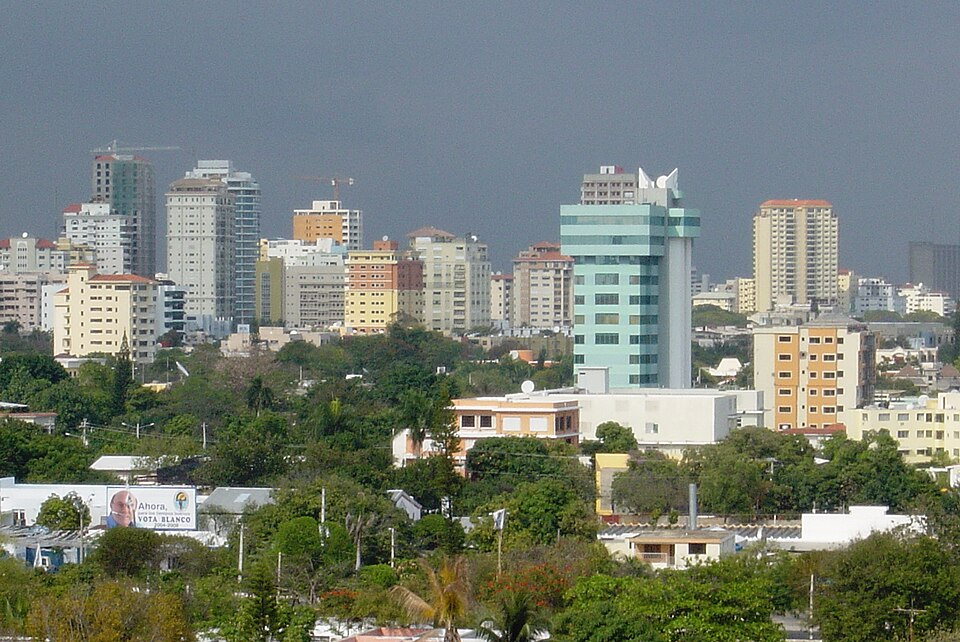
Dominican prosecutors say they arrested 28 people in 37 raids on Friday, 18 September 2026, in the Senasa 2.0 case. This time prosecutors are focusing on doctors and other health providers, not only on former managers.
What Senasa is and how the case began
Senasa, short for Seguro Nacional de Salud (National Health Insurance), is the Dominican Republic’s public health insurer. It covers more than 70% of the population.
The original case, called Operación Cobra, came to court in December 2025. Prosecutors accused former director Santiago Hazim and others of running a structure that diverted public funds.
On 14 December 2025, a court ordered 18 months of pretrial detention for Hazim and six others. Three more defendants were placed under house arrest, and a court later upheld the detention orders.
Prosecutor Mirna Ortiz said the alleged fraud could reach about 15 billion Dominican pesos (US$255 million). That uses about 58.9 Dominican pesos to the dollar, at 19 September 2026 rates.
No one in the case has been convicted. All defendants are presumed innocent until a court rules otherwise.
What prosecutors say happened in the Senasa 2.0 raids
The new operation is called Operación Cobra 2.0-A. The Public Ministry says 45 prosecutors and 200 police officers took part.
Wilson Camacho, deputy attorney general and head of prosecutions, led it with Mirna Ortiz. She works in Pepca, the special prosecutor’s office for administrative corruption.
Judge Ana Lee Florimón authorized the operation at the prosecutors’ request, Listín Diario reported. Prosecutors say they seized cash, vehicles and firearms.
The Public Ministry says those held include former Senasa employees, doctors and private individuals. Prosecutors describe the doctors and providers as the operational part of the alleged network.
Specialties named in the warrant include gynecology, general surgery, cardiology, gastroenterology and internal medicine, Diario Libre reported.
The seven schemes under investigation
Diario Libre listed seven schemes that the Public Ministry is investigating. The first three are large-scale bribes, double billing, and charges for services or medicines never delivered.
Prosecutors also cite fake medical seals and altered financial statements. The last two are the sale of donated medicines and digital sabotage, including theft of files.
Prosecutors allege that some doctors billed for fake consultations and then shared the money. In one example, men appeared in records as receiving gynecology consultations.
Prosecutors also describe a call-center scheme that approved fake surgeries and consultations from January 2021 to September 2024. They estimate it caused about 40 million Dominican pesos (US$679,000) in losses.
Senasa itself filed a complaint about irregular medical authorizations on 28 November 2024, Listín Diario reported.
How Senasa 2.0 differs from the first phase
The first phase centered on Senasa’s former top managers and a small group of associates. In Senasa 2.0, prosecutors say they are moving down to the people who provided and billed the services.
The Public Ministry lists possible charges in the wider case, including bribery, fraud against the state, embezzlement, forgery and money laundering. These are accusations that a court has not tested.
Prosecutors also link the case to Operación Onco14 in June 2026. It led to three arrests over alleged fraud at the Patronato Cibaeño Contra el Cáncer, a cancer charity.
Late on Friday, 20 of the detainees were taken to the Palace of Justice in Ciudad Nueva, Santo Domingo. Diario Libre counted eight women and 12 men in that group.
The Public Ministry presents the operation as part of Attorney General Yeni Berenice Reynoso’s firm stance against corruption. The wider Senasa inquiry remains open.
Why this matters for expats and investors
Because Senasa covers most Dominicans, many private clinics, laboratories and pharmacies rely on its payments. A fraud case of this size reaches the same private providers many foreign residents use.
Investors in Dominican clinics, labs or pharmacy chains could face closer checks on billing and more questions from partners. Careful records and clear contracts with insurers matter more now.
Senasa’s finances are also under strain. Its director since August 2025, Edward Guzmán, reported finding a deficit of about 14.7 billion pesos (US$250 million).
For expat patients, the case is a simple reminder to keep itemized bills. It also helps to check what any insurer is charged in your name.
What is not known yet
The Public Ministry has not released the names of the 28 people held in this phase. It has also not said exactly how many of them are doctors.
On Saturday morning, 19 September, prosecutors had not yet asked a judge for pretrial measures, Diario Libre reported. The constitution gives them 48 hours after an arrest to do so.
It is not yet clear whether any detainee will be released, placed under house arrest or held in custody. Prosecutors have also not said whether more arrests will follow.
The coming hearings should give the first clear picture of who the detainees are and what evidence prosecutors hold.
Frequently Asked Questions
Frequently Asked Questions
What is Senasa?
Senasa is the Dominican Republic’s public health insurer, the Seguro Nacional de Salud. It covers more than 70% of the population.
Has anyone been convicted in the Senasa 2.0 case?
No. Former director Santiago Hazim and others from the first phase are in pretrial detention, and all defendants are presumed innocent.
What happens next for the 28 detainees?
Prosecutors are expected to ask a judge for pretrial measures. The judge then decides whether each person stays in custody.
Connected Coverage
Investing in Dominican Republic as a Foreigner in 2026: A Three-Year Clock
Healthcare in the Dominican Republic 2026: What Foreigners Can Actually Get
Sources: Public Ministry of the Dominican Republic (Procuraduría General de la República) statements, 18 September 2026 and earlier; Diario Libre; Listín Diario; El Caribe; El Día.
This article was produced by The Rio Times’ automated newsroom system. How we use AI · Report an error
Read More from The Rio Times