São Paulo has world’s 4th largest fintech ecosystem; Montevideo is 2nd fastest-growing fintech city
RIO DE JANEIRO, BRAZIL – This year’s edition of the Global Fintech Rankings report, prepared by Findexable in collaboration with Mambu, states that São Paulo, the largest city in Brazil and the Southern Hemisphere, is becoming a fintech powerhouse.
The city ranks fourth, only beaten in terms of quantity, quality, and the environment by San Francisco (USA), London (England), and New York (USA). Even innovation strongholds like Tel Aviv (Israel), Berlin (Germany), Boston (USA), and Los Angeles (USA) are behind the Brazilian metropolis, which many consider one of the most underrated cities in the world.

The United States retained the lead in the country rankings, followed by the United Kingdom. Singapore, which ranked third in the last edition, dropped one place to make way for Israel. Switzerland, Australia, and Sweden complete the top 7.
Brazil is the best-ranked Latin American country at 14th (+5) place, ahead of Uruguay (+46) at 17th. The small country, squeezed between Argentina and Brazil, is the real success story in Latin America. With fewer than 4 million inhabitants, it has left behind nations like Mexico, Argentina, and Colombia.
Brazil owes its 14th place almost entirely to São Paulo. The next best ranked cities within Brazil (in order) are Belo Horizonte, Rio de Janeiro, Curitiba, Porto Alegre, and Florianópolis, all of which have lost ground over the last year.
The most important fintech cities in Latin America with ther number of places they have risen (+) or fallen (-) since last year are:
1. São Paulo (+1)
1. Montevideo (+86)
3. Mexico City (-27)
4. Bogotá (-34)
5. Buenos Aires (-34)
6. Santiago (-26)
7. Belo Horizonte (-34)
8. Lima (+1)
9 Medellin (+49)
10. Rio de Janeiro (-68)
RIYADH AND MONTEVIDEO ARE THE GLOBAL GROWTH CHAMPIONS
The two cities that rose the most in the index this year are Montevideo and Riyadh. They show very different ways that tech hubs can develop outside Europe and the US.
Riyadh is the capital of Saudi Arabia, by far the most populous and prosperous state in the Gulf region. The size of the economic windfall the country has to offer allows fintechs to grow and attract capital quickly.
That led Western Union to invest US$200 million in stc pay in November, just two years after the payments company was founded. The pandemic has led to increased demand for the company’s QR code and remote payment services in a country where consumption is high.
Another attraction is the company’s Sharia-compliant solutions, which could be popular in the Muslim world. Along with Tamara and Geidea, the other two Riyadh-based fintechs reported having received more than US$100 million in funding to date, stc pay is part of an emerging payments niche in the city.
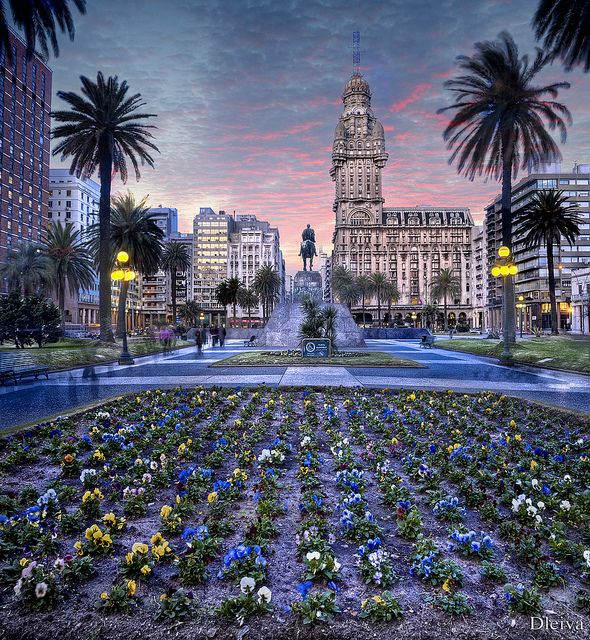
Meanwhile, in Montevideo, it’s all about the growth of a unicorn, dLocal, which raised US$350 million in two funding rounds during the pandemic as its invoicing solutions sell brilliantly around the world.
Montevideo, in particular, shows how, in the future, even tiny economies can grow into growing and significant fintech hubs. Building services that can solve problems common to the developing world and then market them globally. The rise of dLocal as a unicorn will impact all other fintechs in Montevideo as more capital flows into the city.
One thing both Riyadh and Montevideo have in common is the active promotion of their fintech communities. Montevideo’s FinTech Forum, the first of its kind in southern Latin America, is now entering its fifth year and has forged connections with FinTech associations throughout the Spanish-speaking world.
More: Brazil news in English, every day from The Rio Times.
This article was produced by The Rio Times’ automated newsroom system. How we use AI · Report an error
LatAm Markets: Live Signals → — real-time movers, turnover leaders and FX across Latin America.
Read More from The Rio Times