Rio’s Best Summer In Years Brings A New Question: Can The City Keep Order?
Key Points
- Rio expects 5.7 million summer visitors, up 14%, with spending projected near R$12.8 billion ($2.4 billion).
- Record air and cruise flows are concentrating pressure in the South Zone and the port corridor.
- The debate is shifting from promotion to management: transport planning, enforcement, and visitor distribution.
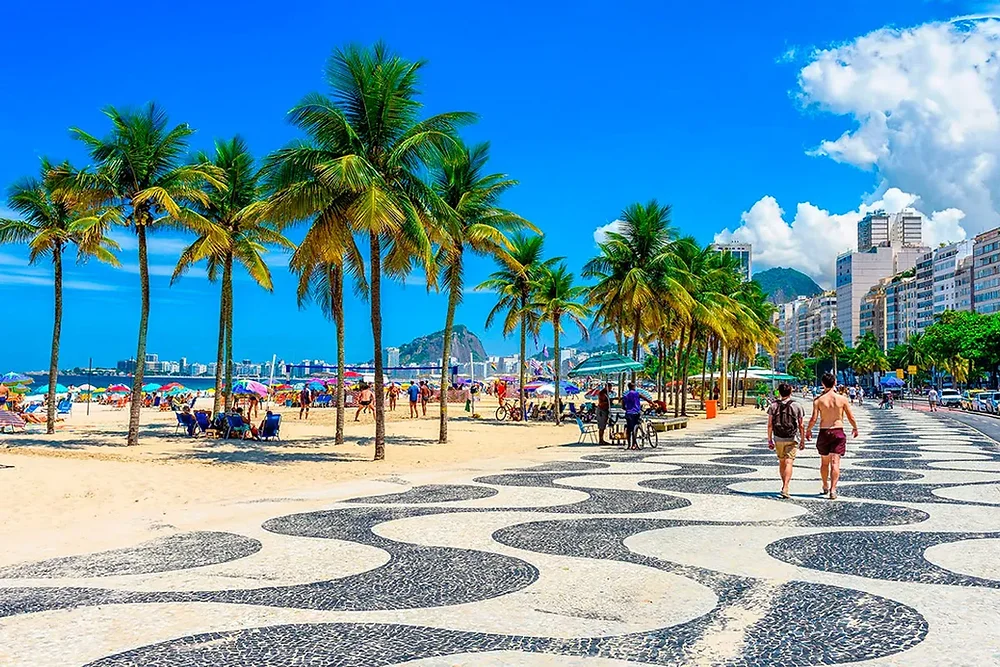
The city feels packed. Sidewalk tables spill outward, promenades clog, and short-stay apartments turn over fast. Visitors praise the buzz; residents say frictions are rising.
City estimates forecast 5.7 million visitors from December 21, 2025 to March 20, 2026, including 1.2 million foreigners. Officials and industry groups project R$12.8 billion ($2.4 billion) in economic impact.
Their assumptions imply average spending near R$1,856 ($350) per Brazilian and R$3,645 ($688) per foreign visitor. This surge builds on a record 2025.
Tourism-monitoring data puts last year’s visitation around 12.5 million, with domestic travelers still dominant at around 83%.
Tourism Boom Tests Rio’s Infrastructure
The shift was international growth, rising about 45% year over year to 2.1 million foreign visitors. Brazil reported 9.29 million foreign arrivals in 2025, a record and about a 37% increase.
Crowding is most visible at signature stops. Lines at the Copacabana Fort café have become a ritual and a patience test. In Copacabana and Ipanema, complaints focus on sidewalk bottlenecks, illegal vending, and bikes mixing with pedestrians.
Air policy is feeding the concentration. After a shift toward Galeão, Rio’s airport traffic reached 21.8 million passengers in 2025. Policy now points to raising the Santos Dumont cap toward 8 million in 2026, reshaping flows.
Cruise arrivals add pulses. Pier Mauá projects 28 ships, 84 calls, and 240,000 passengers this season, with estimated local spending near R$193 million ($36 million). Those bursts strain transit, policing, and cleaning schedules.
Officials and researchers argue Rio is not facing European-style “overtourism.” Still, the agenda is clear: real-time crowding information, weekend transport contingencies, tighter street-order enforcement, clearer short-stay rules, and hotspot redesign. Planned works around Escadaria Selarón are an early signal.
The opportunity is jobs, tax receipts, and global visibility. The risk is letting disorder become the city’s most shared souvenir.
Related coverage: Brazil’s Morning Call | Ecuador Bets On A U.S. Security Push As It Trades Blows With This is part of The Rio Times’ daily coverage of Latin American culture and lifestyle.
This article was produced by The Rio Times’ automated newsroom system. How we use AI · Report an error · Editorial responsibility: Matthias Camenzind, Editor-in-Chief
Read More from The Rio Times