Rio Creative Economy Summit Pumped $99m Into the City, Study Finds
METROPOLE · BUSINESS OF CULTURE
Key Facts
— —Rio2C, billed as Latin America’s biggest creative-industries gathering, moved about R$516m ($99m) through the city, a new city study estimates.
— —The six-day event drew more than 55,000 people and visitors from 30 countries to a single arts venue in Rio.
— —About R$152m ($29m) came from direct spending on the event itself, such as hotels, food, transport and production.
— —A larger R$364m ($70m) came from deals struck through business meetings during the gathering.
— —The study credits the event with creating roughly 4,700 jobs, both direct and indirect.
— —It featured 1,732 speakers across 23 stages and hosted 1,650 business meetings over the run.
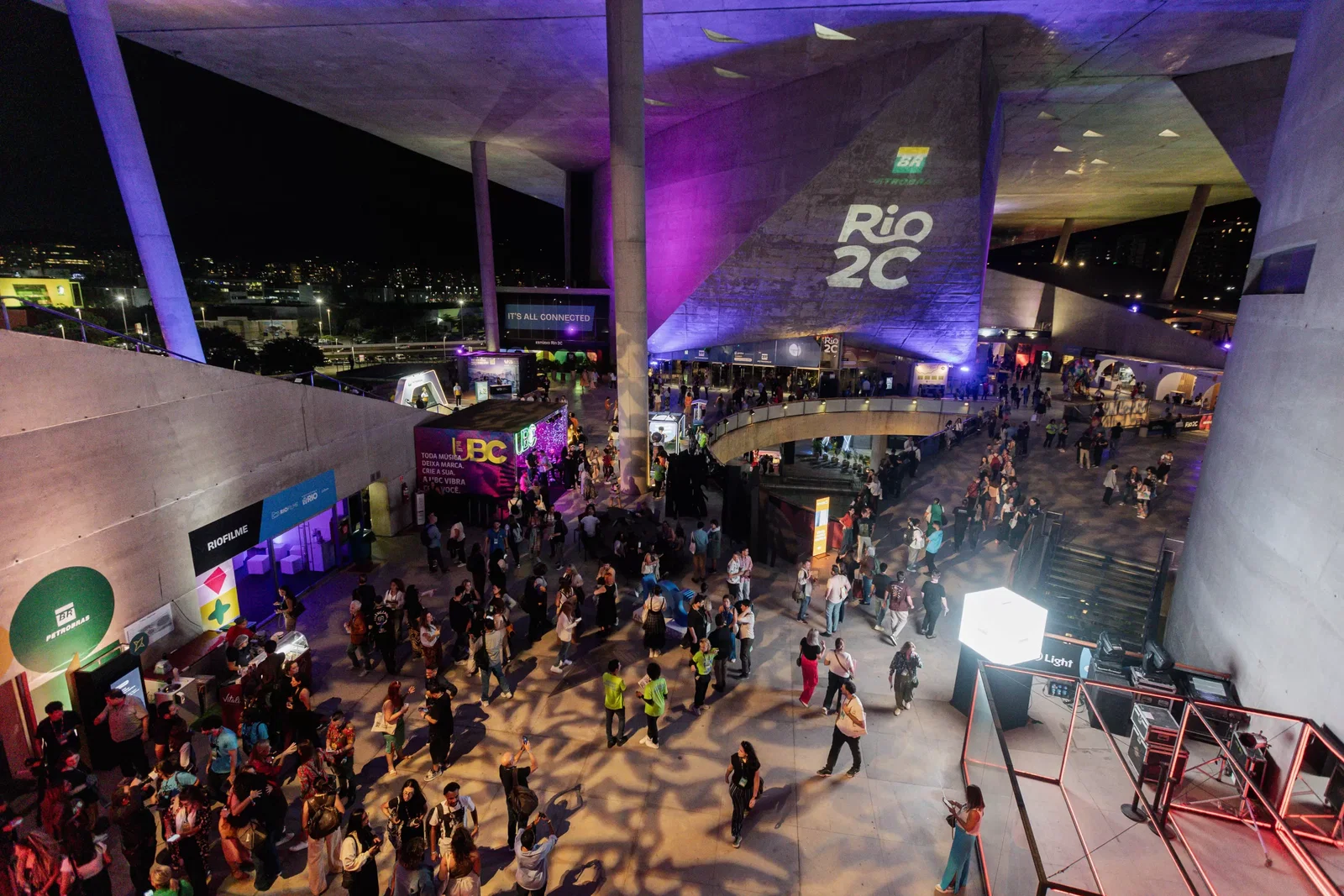
Rio de Janeiro’s biggest Rio creative economy summit poured around R$516m ($99m) into the city this year, according to a new study, as more than 55,000 people from 30 countries turned a single arts venue into a six-day marketplace for film, music and ideas.
What the Rio creative economy summit is
The event is called Rio2C, short for Rio Creative Conference, and it has grown into what organisers describe as the largest meeting of the creative industries in Latin America. Think of it as a giant trade fair for the businesses that make films, television, music, video games, advertising and the technology behind them, all gathered in one place to swap ideas and do deals.
This year it ran for six days in late May at Cidade das Artes, a large performing-arts complex in the Barra da Tijuca district on the west side of Rio. The 2026 programme was its eighth edition, presented with backing from the oil company Petrobras and the federal government, under the theme “Code of Meaning”.
Much of the talk this year was about how artificial intelligence and new digital platforms are reshaping the way films, songs and shows get made and watched. That is the kind of question that draws executives and investors from around the world, not just performers.
How the money breaks down
The headline figure, about R$516m or roughly $99m, comes from a study by Rio’s city hall, prepared by its economic-development and culture departments together with the tourism board Riotur. It is an estimate of how much economic activity the gathering set in motion across the city.
The study splits that total in two. Around R$152m ($29m) is direct spending tied to staging the event, the money that flows to hotels, restaurants, transport, production crews and the brands that set up stands and activations.
The bigger slice, about R$364m ($70m), is harder to see but arguably more valuable. It represents deals and partnerships sparked by the meetings held during the event, the contracts and collaborations that get signed because the right people happened to be in the same room.
City officials also credit the gathering with supporting roughly 4,700 jobs, counting both the people directly hired to run it and the wider work it generates around the city.
Why Rio cares about creative business
For a visitor, the interesting part is what the number says about Rio’s strategy. The city has long sold itself on beaches and Carnival, but it is increasingly trying to position itself as a hub for the so-called creative economy, the cluster of industries built on culture, design and entertainment.
Events like this one fit a pattern the city has been pushing, where big gatherings fill hotels, restaurants and venues outside the usual tourist peaks. It is the same logic behind Rio’s Carnival and its plans around the World Cup, treating culture and crowds as an engine for jobs and tax revenue.
The 2026 edition also leaned harder into the international angle, drawing delegations from strategic markets and confirming Brazil would keep chairing an international creative-economy forum through 2028. For organisers, that growing global reach is the real prize, even more than the headline spending figure.
A figure worth reading carefully
As with any impact study, the number deserves a little caution, because much of it rests on estimated future deals rather than cash already spent. The R$152m in direct spending is the firmer half; the larger business-connections figure is a projection of value that may take months or years to materialise.
Even allowing for that, the direction is clear enough. Rio is betting that its mix of culture, talent and global appeal can be turned into steady business, and a half-billion-real headline is exactly the kind of result the city wants to show off.
More: Brazil news in English, every day from The Rio Times.
Frequently Asked Questions
What is Rio2C?
It is a six-day creative-industries gathering in Rio de Janeiro, billed as the largest of its kind in Latin America. It brings together film, music, gaming, advertising and technology for talks, shows and business meetings.
How much did it bring to Rio?
A city study estimates about R$516m, or roughly $99m, in total economic activity. That splits into around R$152m ($29m) in direct spending and R$364m ($70m) from business deals.
How many people attended?
More than 55,000 people took part over six days, with visitors from 30 countries. The programme featured 1,732 speakers across 23 stages and 1,650 business meetings.
Where and when was it held?
It ran in late May at Cidade das Artes, an arts complex in the Barra da Tijuca district of Rio. The 2026 programme was the eighth edition of the event.
Connected Coverage
Rio’s Carnival Set to Pump $1 Billion Into the City’s Economy
Brazil’s Inbound Tourism Grew 30% in Six Years
Events in Rio de Janeiro: 2026 Economic and Cultural Calendar
This article was produced by The Rio Times’ automated newsroom system. How we use AI · Report an error · Editorial responsibility: Matthias Camenzind, Editor-in-Chief
Living in or visiting Rio de Janeiro? See this month's events and our Rio de Janeiro city guide with rents, safety and upcoming concerts.