Red Sea Disruptions Impact Ethiopian Coffee Shipments
Middle East logistic issues are disrupting global coffee exports. Ethiopian shipments to China and Japan face delays because ships are rerouting.
The amount of delayed coffee remains unspecified. Local reports have brought this situation to light.
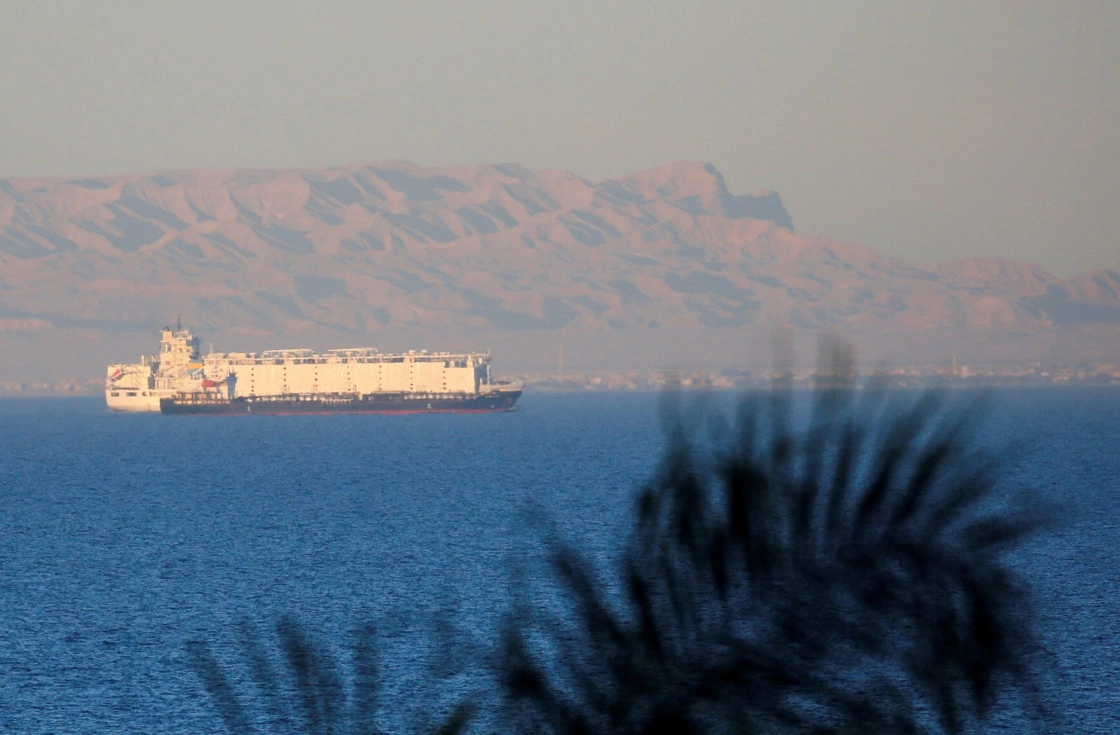
Ships avoiding the Suez Canal now use the Cape of Good Hope, causing these delays.
“One ship used to arrive in Djibouti daily,” said Tameru Tadesse, a coffee export company’s owner.
“With recent Red Sea insecurity, it’s down to one a month. Our coffee is stuck in Djibouti,” he noted.
Ethiopia has looked for alternative export paths. However, these are longer and costlier due to high maritime freight charges.
The affected exports target China, Japan, and other Asian countries.
Producers and suppliers, who usually offer coffee on credit, are now unpaid. “Many are left without money or coffee,” stated Hussein Ambo, head of the Ethiopian Coffee Association.
Yemen’s Houthi rebels have attacked vessels in the Red Sea with missiles and drones, targeting one of the main global trade routes.
These attacks, claimed as retaliation against Israel by the Iran-supported group, threaten the flow of goods.
In addition, the Suez Canal, a critical trade artery, sees about 16,000 ships annually.
This accounts for 15% of global trade, moving a trillion dollars in goods, including vital routes for Asian consumer goods and oil transport to Europe.
The current disruptions underline the importance of secure and efficient shipping lanes for global commerce, especially for essential commodities like coffee.
More: Egypt news in English, every day from The Rio Times.
This article was produced by The Rio Times’ automated newsroom system. How we use AI · Report an error · Editorial responsibility: Matthias Camenzind, Editor-in-Chief
Part of our ongoing coverage
Africa: The New Scramble — the great-power contest over the continent.
Horn of Africa and the Red Sea
- Horn of Africa 2026: Why It Matters and Who Backs Whom
- Ethiopia’s Neighbors Explained, Ports, Eritrea, Somalia
- Eritrea Explained 2026, a Red Sea Country Guide
- Somalia Explained: Al-Shabaab, Somaliland, the Ports and the Fight Over a 2026 Vote