Q2 2025 Results for Ânima, Engie, and Rumo
In Q2 2025, three of Brazil’s leading firms reported results that reveal the challenges and resilience within their sectors.
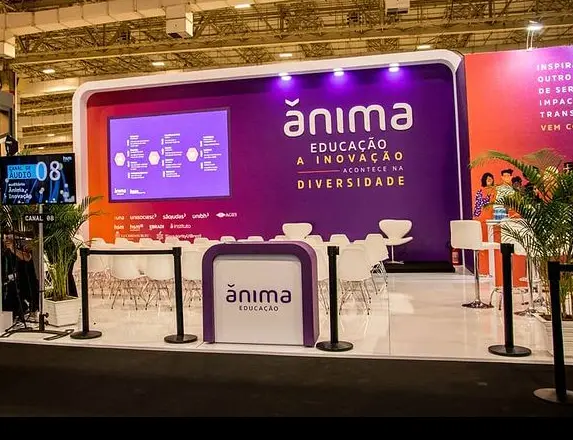
In Q2 2025, three of Brazil’s leading firms reported results that reveal the challenges and resilience within their sectors.
Ânima is a major education group, Engie is a top electricity provider, and Rumo operates the country’s largest freight railway. Their stories show how Brazil’s fast-changing business landscape values readiness and discipline.
Ânima Educação: Adapting to New Rules and Steadying the Ship
Ânima Educação delivered an adjusted net profit of R$29.2 million ($5 million), up 18.9% from last year. This gain came despite a 1.5% drop in total students, as core education enrollments fell.
However, Ânima increased its value per student: average monthly tuition rose by 11.7% in digital courses, 3.3% in the main segment, and 1.5% in specialized health fields.
The company’s adjusted EBITDA reached R$352.2 million ($62 million), a 4.4% increase, with improved margins. The business runs more efficiently than a year ago. Behind these numbers, Ânima is quickly adjusting to new government rules for remote learning.
The new regulation demands more face-to-face classes, especially in health and engineering. Ânima sees this as a way to outpace weaker rivals lacking the infrastructure to meet new requirements.
Instead of chasing sheer student numbers, Ânima focuses on student quality to maintain strong returns. The management is deliberate, targeting solid results through discipline and adaptation, not just growth for its own sake.
Engie Brasil: Feeling the Strain of Hydropower Dependence
Engie Brasil’s headline figures reflect its challenges: net profits fell 34% to R$567 million ($99 million), as weak rains hit the company’s large hydropower segment.
Meanwhile, Engie’s revenues climbed 10% to R$3.09 billion ($542 million) based on higher energy prices and a slight uptick in sales. EBITDA fell to R$1.87 billion ($328 million), illustrating the volatility that Brazil’s changing climate brings to hydro operators.
Engie distributed interim dividends of R$719.2 million ($126 million), based on a policy to return 55% of eligible profits to shareholders. The company’s net debt rose to R$21.56 billion ($3.783 billion), as investments, especially in renewables, continued.
The numbers underline the company’s dependency on water. When hydrology turns against them, earnings suffer. Engie’s strategy now focuses on diversifying into wind, solar, and other power sources, recognizing that Brazil can no longer rely entirely on rivers for electricity.
Rumo: From Heavy Losses Back to Black
Rumo reversed a tough previous year. The country’s top rail freight company reported a net profit of R$333 million ($58 million), recovering from a huge loss a year earlier of R$1.74 billion ($306 million), caused by poor harvests and flooding.
EBITDA rebounded to R$1.88 billion ($330 million) from a loss a year ago. Transport volumes grew by 4.4%, driven by higher demand for moving crops and goods.
Net revenue was R$3.71 billion ($651 million), up 3.8%. The company ended the quarter with a leverage ratio of 1.8 times EBITDA, which is considered sustainable.
Rumo’s comeback story is about resilience, not luck. Through efficiency, infrastructure upgrades, and tight cost management, Rumo moved from heavy loss back to profit.
This article was produced by The Rio Times’ automated newsroom system. How we use AI · Report an error · Editorial responsibility: Matthias Camenzind, Editor-in-Chief
LatAm Markets: Live Signals → — real-time movers, turnover leaders and FX across Latin America.