Q2 2025: Magazine Luiza Profits Fall, Track&Field Grows, Auren Energia Faces Losses
The latest Q2 2025 numbers from Magazine Luiza, Track&Field, and Auren Energia reveal what’s really happening in three important sectors
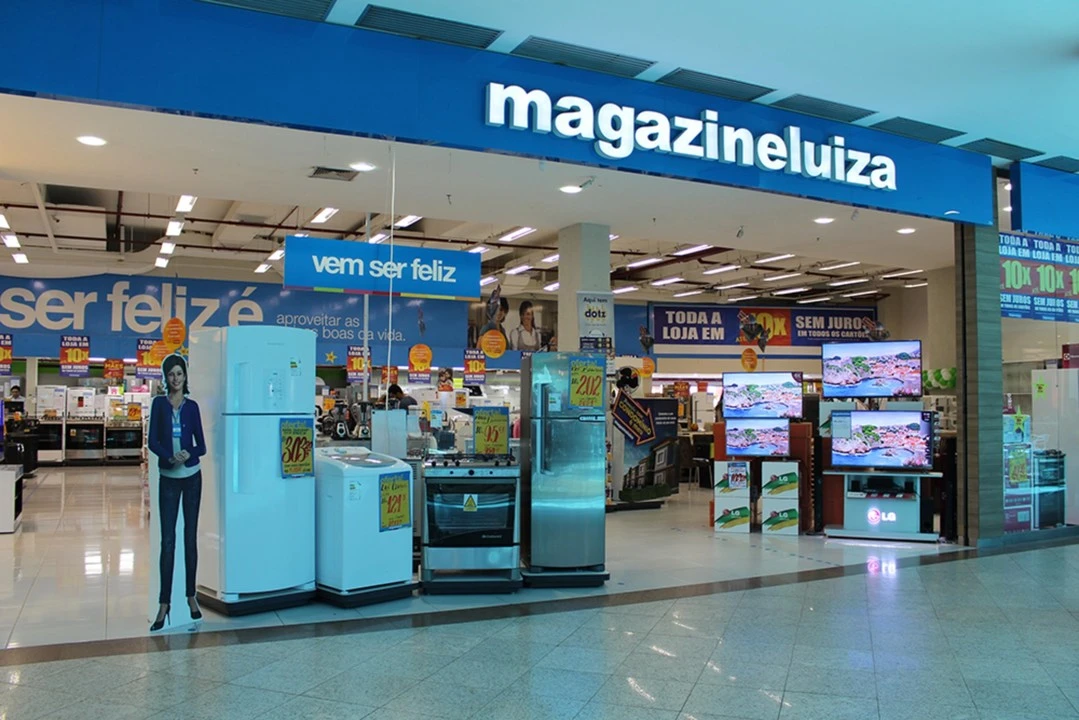
The latest Q2 2025 numbers from Magazine Luiza, Track&Field, and Auren Energia reveal what’s really happening in three important sectors of Brazil’s economy.
These are major companies: Magazine Luiza is one of Brazil’s top retailers, Track&Field outfits Brazilians for sport and fitness, and Auren Energia supplies much of the country’s renewable electricity.
Together, their results show how real-world risks and tough decisions shape Brazil’s business scene as interest rates and competition rise.
Magazine Luiza: Retail Under Pressure
Magazine Luiza, known for selling electronics, appliances, and everyday goods, struggled this quarter. The company reported only R$1.8 million (~$316,000) in adjusted profit for April–June, a drop of 95% compared to last year.
After accounting for extra loan loss provisions, its net loss reached R$24.4 million (~$4.3 million), reversing a R$23.6 million ($4.1 million) profit during the same period last year.
Sales across its stores, website, and third-party marketplace reached R$15.2 billion (~$2.7 billion), but that was down slightly from last year’s numbers.

In-store sales ticked up 3% to R$4.7 billion (~$824 million), while e-commerce remained strong at R$10.6 billion (~$1.9 billion). Their financial arm, Luizacred, processed R$15 billion (~$2.6 billion) on credit cards, earning a net profit of R$102 million (~$17.9 million).
With Brazil’s interest rates still high at 15%, Magazine Luiza focused on protecting its profit margins instead of chasing sales growth. Management bet on its all-in-one ecosystem—covering logistics, finance, and even advertising—to steady the ship.
Still, the story behind the numbers is about how thin profits have become for even the strongest retailers in Brazil and how tough it is to keep growing under economic pressure.
Track&Field: Steady Growth Through Experience and Franchising
Track&Field, Brazil’s leading sportswear and wellness brand, grew out of a small triathlon-focused startup into a chain with over 400 stores. Only 50 are owned directly; the rest are franchises, showing the power of its network.
In 2025, its shares climbed over 60%, a sign that investors like its solid, no-debt approach. What sets Track&Field apart is its focus on connecting sales with real sports experiences.
Its events arm, TF Sports, hosts thousands of races and activities each year—4,000 expected in total for 2025, including 300 major running events.
About 7% of the group’s revenue comes from event registrations and sponsorship, but these gatherings also drive extra store foot traffic and sales, creating a reliable income boost.
Most of Track&Field’s business comes from women’s apparel (65%). Management shuns risky acquisitions, choosing slow expansion through new stores and a unique model where local franchisees fulfill 70% of online orders.
The company opened stores in Portugal using this same approach. Since 2019, it averaged 25% yearly growth, powered by digital strategies and physical upgrades; half of its stores will sport a fresh look by the end of 2025.
Track&Field recently secured exclusive rights to sell Swiss brand On Running’s shoes, aligning with its “accessible luxury” image. The key lesson: Track&Field grew by tying events, local partners, and digital tools together, not by chasing global buying sprees.
Auren Energia: Expansion’s Cost and the Path Forward
Auren Energia is now Brazil’s third-largest power generator, after buying major assets from AES for R$7 billion (~$1.2 billion).
It finished integrating the acquisition this quarter, but the debt and new plant costs hurt: net losses ballooned to R$562.9 million (~$98.8 million), far worse than last year’s R$17.6 million (~$3.1 million) deficit.
Operationally, though, Auren posted strong results. Core earnings (EBITDA) rose 18% to R$980.6 million (~$172 million). The company sold 200 MW of energy on new 15-year contracts for more than R$220 ($39) per MWh.
Thanks to smart upgrades, its wind farms’ uptime hit 92%—five points higher than last year. New synergies added R$154 million (~$27 million) to the bottom line.
Auren moved to pay down debt, issuing R$3.5 billion (~$614 million) in fresh securities, and finished the quarter with leverage at 4.8 times EBITDA, aiming to get below 3.5 in the next three years.
Some renewable energy was curtailed, costing R$76 million (~$13.3 million), but hydropower gains covered more than half the loss.
The real story is about balance: Auren grew big through acquisitions but must now prove it can cut debt and return to profit as Brazil’s energy sector evolves quickly.
This article was produced by The Rio Times’ automated newsroom system. How we use AI · Report an error · Editorial responsibility: Matthias Camenzind, Editor-in-Chief
LatAm Markets: Live Signals → — real-time movers, turnover leaders and FX across Latin America.