Morocco’s SAMIR Refinery: How the Kingdom Lost Its Only Oil Refinery
Morocco · ENERGY
Key Facts
- —What happened SAMIR, Morocco’s only refinery, stopped production in August 2015 and was placed in liquidation in March 2016.
- —How big Its debts were put at 40 to 45 billion dirhams (roughly US$4.2 to 4.7 billion) at the time of liquidation.
- —Who is affected Morocco has imported all its refined fuel since 2015, leaving it exposed to global product prices.
- —The catch An ICSID tribunal awarded Corral Morocco Holding US$150 million in July 2024, about 6% of its US$2.7 billion claim.
- —Why it matters A single failed plant has shaped Morocco’s fuel security for more than a decade.
- —What comes next Morocco has not restarted SAMIR or announced a replacement refining project.
Morocco’s only oil refinery, SAMIR, stopped production in August 2015 and was placed in liquidation by a Casablanca court in March 2016. The plant’s failure left the kingdom importing all of its refined fuel and triggered a long arbitration fight with its former owner.
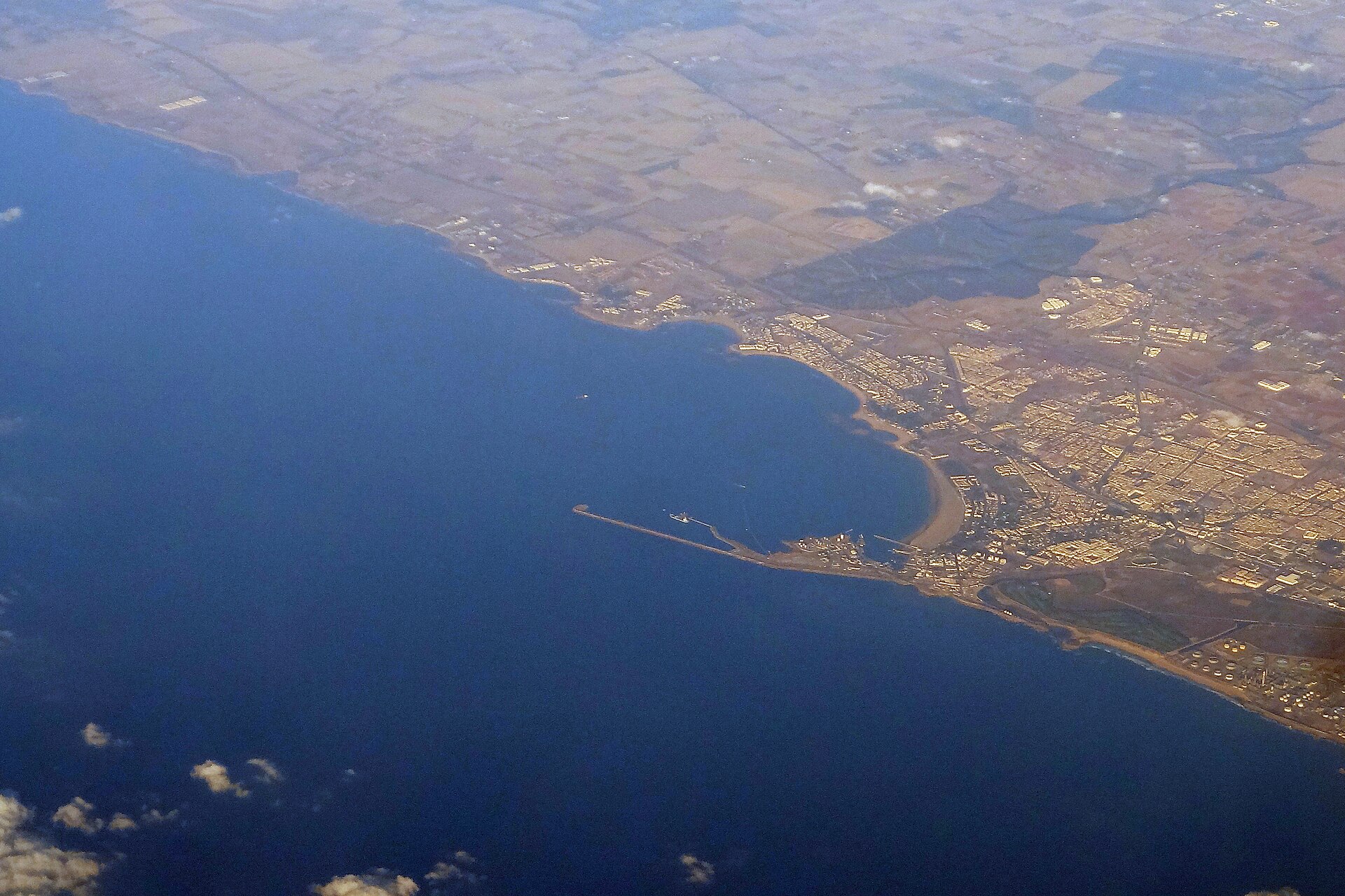
SAMIR, formally the Société Anonyme Marocaine de l’Industrie du Raffinage, sat in Mohammedia on Morocco’s Atlantic coast. It was privatised in 1997 and came under the control of Corral Morocco Holding, linked to Saudi-Ethiopian businessman Mohammed Hussein Al-Amoudi.
The Rise and Fall of SAMIR
SAMIR was Morocco’s sole refining asset, processing crude into petrol, diesel and other products for the domestic market. The state sold a majority stake in 1997 to Corral Petroleum Holding, part of Al-Amoudi’s business empire.
Production stopped on 6 August 2015 after Morocco’s tax administration seized assets over unpaid taxes. When the Casablanca Commercial Court declared bankruptcy in March 2016, debts were put at 40 to 45 billion dirhams (roughly US$4.2 to 4.7 billion).
The court placed SAMIR into liquidation and appointed an independent trustee on 21 March 2016. The Casablanca appeals court confirmed that liquidation decision on 1 June 2016.
The Tax Claim and the Debt Burden
Customs claims alone came to about 13 billion dirhams (about US$1.4 billion), Morocco World News reported. The tax administration froze the company’s bank accounts and seized assets before production halted.
The liquidation revealed debts above EUR 4 billion (about US$4.6 billion) owed to around 400 creditors, including the customs administration and major Moroccan banks. Those creditors included Attijariwafa Bank, Banque Populaire and Bank of Africa.
Any restart would need new capital and a credible operator to take on the plant. No restart deal had been announced by September 2026.
The Arbitration in Washington
Corral Morocco Holding took the dispute to ICSID, the International Centre for Settlement of Investment Disputes, part of the World Bank group. The company argued Morocco violated the 1990 Morocco-Sweden bilateral investment treaty through unfair treatment and expropriation.
Corral sought US$2.7 billion in compensation for the refinery’s bankruptcy and shutdown. On 15 July 2024, an ICSID tribunal dismissed most of those claims and ordered Morocco to pay US$150 million.
That award equals about 6% of the amount claimed. Both sides later filed requests for rectification of the ruling, and the case has continued in post-award proceedings.
What Morocco Lost
Since SAMIR’s closure in 2015, Morocco has imported all of its refined petroleum products. The International Energy Agency noted in its 2019 Morocco review that the country had to import its entire refined product requirement.
That dependence exposes Morocco to global refined-product prices without a domestic buffer. The kingdom also lost the bargaining power that comes with owning refining capacity.
The SAMIR site in Mohammedia remains dormant. Restarting it is seen by some analysts and former workers as a way to ease import pressure.
A Social and Political Issue
The refinery’s shutdown has grown from a corporate dispute into a broader social and political question. Former workers and civil society groups have pushed for a restart, citing jobs and energy security.
Morocco’s government has not announced a final decision on the plant’s future. Analysts describe SAMIR as a dormant strategic asset with unresolved financial and policy questions.
The case also illustrates how African states and foreign investors resolve breakdowns through international arbitration. The ICSID process produced a defined payment rather than a full victory for either side.
What to Watch
The ICSID award of US$150 million in July 2024 settled one part of the dispute. The wider question of whether Morocco rebuilds domestic refining capacity remains open.
Any restart would require new capital, a credible operator and a resolution of the creditor claims. For now, Morocco continues to meet its fuel needs through imports.
Investors and policymakers will watch whether Morocco seeks new refining partnerships or accepts long-term import dependence. No next move has been announced.
Frequently Asked Questions
When did Morocco’s only refinery stop production?
SAMIR halted production on 6 August 2015 after the tax administration seized assets over unpaid taxes. The Casablanca Commercial Court placed the company into liquidation on 21 March 2016.
Who controlled SAMIR before its closure?
Mohammed Hussein Al-Amoudi controlled the refinery through Corral Morocco Holding after its 1997 privatisation. Corral Petroleum Holding took a majority stake, with the Moroccan state retaining the rest.
How much did the ICSID tribunal award in 2024?
On 15 July 2024, ICSID ordered Morocco to pay US$150 million to Corral Morocco Holding. That was about 6% of the US$2.7 billion the company had claimed.
How much debt did SAMIR carry?
SAMIR’s debts were put at 40 to 45 billion dirhams (roughly US$4.2 to 4.7 billion) when it was declared bankrupt in March 2016. Customs claims alone came to about 13 billion dirhams (about US$1.4 billion), Morocco World News reported.
Does Morocco still refine oil?
No. Since SAMIR’s closure in 2015, Morocco has imported all of its refined petroleum products. The kingdom has not restarted the Mohammedia refinery or built a replacement.
Connected Coverage
Sources
- Reuters
- Morocco World News
- Morocco World News
- Morocco World News
- Morocco World News
- Gulf News
- International Energy Agency
- Atlantic Council
This article was produced by The Rio Times’ automated newsroom system. How we use AI · Report an error
LatAm Markets: Live Signals → — real-time movers, turnover leaders and FX across Latin America.
Read More from The Rio Times