Patriotic Parties Reshape Western Politics as Economic Pressures Shift Voter Loyalties
(Analysis) New research from Blue Rose Research and recent European election results confirm a major political shift across the West. Patriotic parties—often labeled “populist” by their critics—now draw growing support from minorities and young men, not just older white voters.
This trend signals a realignment driven by economic anxiety, inflation, and a demand for stronger national sovereignty. Donald Trump’s 2024 victory in the United States illustrates this shift. He won all swing states, the popular vote, and every level of government.
Trump’s support among Hispanic voters rose from 19% in 2016 to 46% in 2024, the highest for a Republican in decades. The share of moderate Latino-Hispanic voters backing Democrats fell from 81% to 58% over the same period.
Trump also gained ground with young men, including those from minority backgrounds, challenging the idea that only older white voters back patriotic movements.
This pattern repeats in Europe. The 2024 European Parliament elections saw 60 patriotic and anti-establishment parties win 263 out of 720 seats, or 36% of the total.
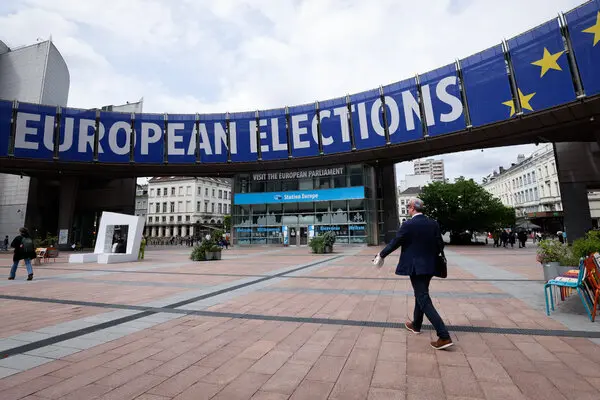
In France, Germany, Austria, and Italy, patriotic parties outperformed both the traditional center-left and center-right. These parties now attract more workers and lower-income voters than the old socialist or Christian democratic parties.
In Germany, the Alternative for Germany party finds its strongest support among workers and those with below-average incomes. Economic pressures drive this realignment. Across the West, voters cite inflation, rising living costs, and concerns about border control as their top priorities.
Economic Struggles Drive Political Shifts in the US and Europe
In the United States, two-thirds of voters said the economy was struggling, and nearly half reported their financial situation had worsened since 2020. Among men under 45, dissatisfaction with inflation and the cost of living fueled support for Trump by double-digit margins.
In Europe, a one percent rise in consumer prices in Germany correlated with a 0.32 percent increase in support for patriotic parties. Patriotic parties have also expanded their reach among younger voters.
In the US, Trump’s support among 18- to 29-year-olds rose by seven points in 2024. Among Gen Z, young men now lean right, while young women, especially those with college degrees, lean left.
This growing gender gap is visible in both the US and Europe, where patriotic parties have made gains among young men in countries like Germany and the UK. Mainstream parties in Europe have responded by forming broad coalitions and sometimes adopting stricter immigration policies.
However, these moves have not slowed the momentum of patriotic parties, which continue to gain support by promising economic stability and stronger national borders.
This realignment challenges the old belief that demographic change would always favor the left. Instead, economic insecurity and a desire for national control now shape voter preferences.
For businesses and investors, these trends mean that economic perceptions, not just policies, will increasingly drive political outcomes and regulatory environments.
This article was produced by The Rio Times’ automated newsroom system. How we use AI · Report an error
Read More from The Rio Times