Panama · Economy
Key Facts
- —Panama’s MEF projects 4.9% economic growth for 2026, per Minister Felipe Chapman.
- —The 2027 budget is built on 4.0% growth and a fiscal deficit of 2.97% of GDP.
- —January–June 2026 SPNF revenue $7,328.2M, spending $9,209.4M, deficit $1,881.2M (1.98% of GDP).
- —Central government H1 2026 revenue $4,400M, deficit $2,683M, with negative current saving.
- —Panama Canal 10,726 transits in first nine months of FY2026, up 5.2% year-over-year.
- —Canal cargo volume 389.96 million PC/UMS tons, up 7.2%; transit revenues $4.802B, profits $3.614B.
- —Unemployment is a major challenge, with one report citing 10.4% (unverified in provided sources).
Minister Felipe Chapman projects 4.9% GDP growth for 2026, while the 2027 budget assumes 4.0% growth and a 2.97% deficit.
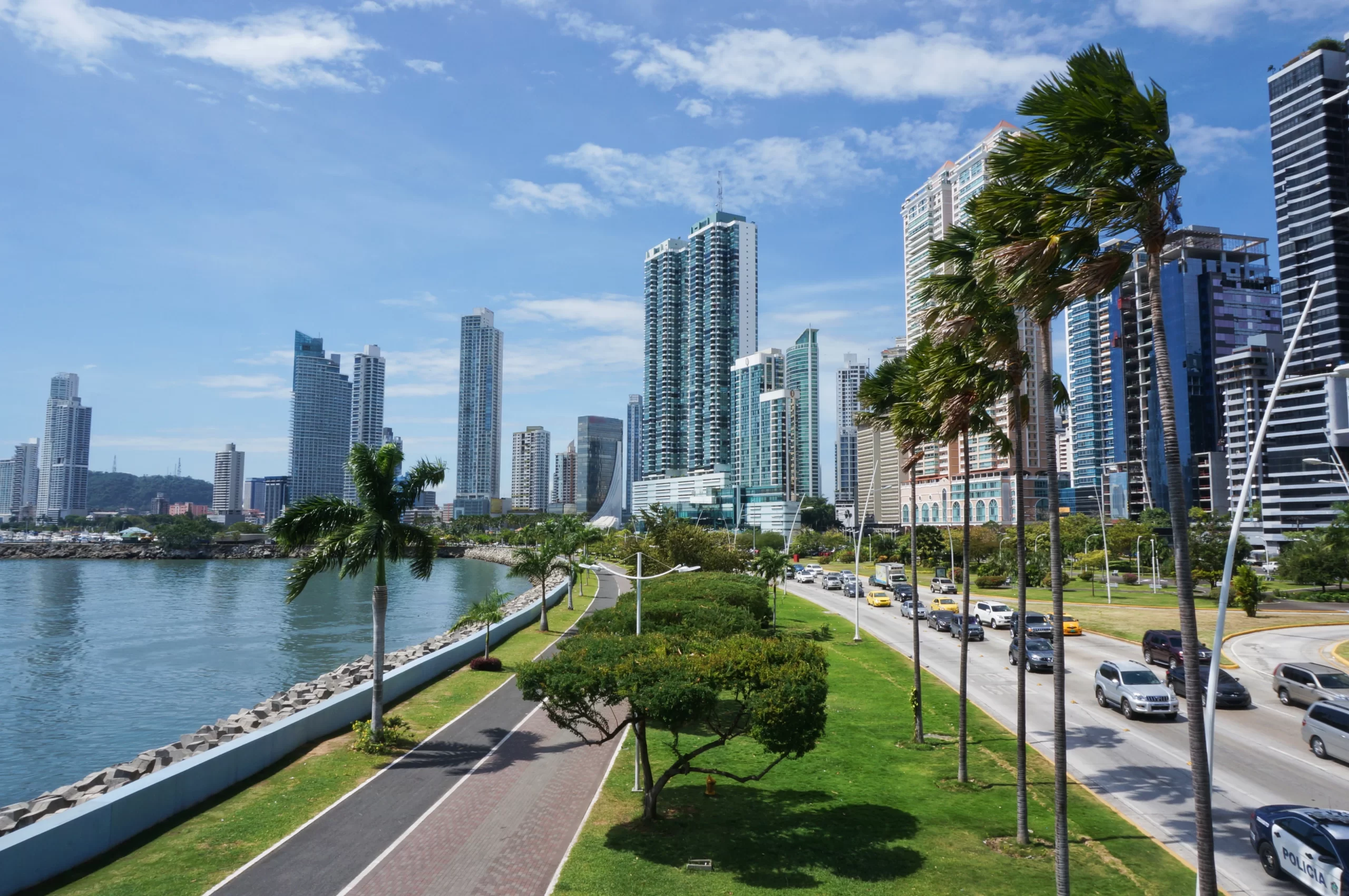
The Panama economy is on course to grow about 4.9% in 2026. Panama’s economy is set to grow 4.9% in 2026, according to Minister of Economy and Finance Felipe Chapman.
The government’s 2027 budget assumes a slower 4.0% expansion with a fiscal deficit of 2.97% of GDP.
What the Panama Economy Forecast Says
Panama’s Ministry of Economy and Finance (MEF) projects 4.9% economic growth for 2026. This figure comes from Minister Felipe Chapman, as reported in August 2026.
The projection reflects optimism despite global headwinds. It aligns with the government’s push to boost investment and canal activity.
Chapman’s statement highlights confidence in Panama’s recovery. The 4.9% target is higher than the 2027 budget assumption of 4.0%.
This growth call is central to fiscal planning. It underpins revenue estimates and spending priorities for the coming years.
The 4.9% Forecast
The 4.9% figure appears in August 2026 reporting around the MEF budget discussion. It is attributed directly to Minister Chapman.
No standalone MEF press release with the exact wording was found in the provided results. The figure is supported indirectly by official coverage.
For 2027, the budget assumes 4.0% growth, a more conservative estimate. This suggests policymakers expect a gradual normalization.
The fiscal deficit target for 2027 is 2.97% of GDP. That is a slight improvement from the 2026 mid-year deficit of 1.98% of GDP.
The Jobs Gap
Unemployment remains a major challenge for Panama’s economy. One report cites a rate of 10.4%, while another says it is ‘higher’ without a specific figure.
No official labor-force release was included in the research. High unemployment contrasts with strong GDP growth.
This gap suggests growth is not yet translating into broad job creation. Policymakers face pressure to address joblessness.
The 2027 budget may need to prioritize labor-intensive sectors.
What Is Driving Growth
The Panama Canal is a key growth driver. In the first nine months of FY2026, transits rose 5.2% to 10,726, and cargo volume increased 7.2% to 389.96 million PC/UMS tons.
Canal revenues reached $4.802 billion, with profits of $3.614 billion in the same period. This strong performance boosts government coffers.
Public finances show mixed signals. The SPNF deficit for January–June 2026 was $1,881.2 million, or 1.98% of GDP.
Central government data shows a larger deficit of $2,683 million, with negative current saving. This indicates spending pressures beyond canal income.
Risks Ahead
Global economic uncertainty could dampen Panama’s growth. Trade disruptions or lower commodity prices might hit canal revenues.
Fiscal discipline is a concern, given the central government’s negative current saving. This could limit future spending flexibility.
The 4.9% forecast may be optimistic if external conditions worsen. The 2027 budget’s 4.0% assumption reflects some caution.
Unemployment, if not addressed, could fuel social unrest. That would threaten the investment climate and growth outlook.
What It Means for You
For businesses, 4.9% growth signals opportunities in logistics and construction. The canal’s expansion supports related industries.
For workers, the jobs gap means wage growth may lag. High unemployment could keep labor markets competitive.
For investors, the fiscal deficit and negative saving are red flags. Watch for policy adjustments in the 2027 budget.
For residents, economic growth may not immediately improve living standards. Job creation and inflation will be key indicators to monitor.
Background: Lula 39%, Flávio Bolsonaro 33% — Brazil’s Race in the July Polls.
Background: BRICS Just Got Bigger — Who’s In, Who’s Still Out, and Why It Matters.
Background: Brazil Economic Outlook 2026: Growth, Inflation, and Key Risks.
More: Panama news in English, every day from The Rio Times.
Frequently Asked Questions
What is Panama’s projected GDP growth for 2026?
Panama’s MEF projects 4.9% economic growth for 2026, according to Minister Felipe Chapman, as reported in August 2026.
What is the 2027 budget growth assumption?
The 2027 budget is built on 4.0% growth and a fiscal deficit of 2.97% of GDP.
What are Panama’s mid-year fiscal figures for 2026?
For January–June 2026, the SPNF had revenue of $7,328.2 million. Spending of $9,209.4 million, and a deficit of $1,881.2 million (1.98% of GDP).
Is the unemployment rate verified?
One report cites 10.4%, but this needs official confirmation.
Sources: Panama’s Ministry of Economy and Finance (MEF); Panamanian press.
This article was produced by The Rio Times’ automated newsroom system. How we use AI · Report an error
Read More from The Rio Times