The seven-day conflict between Israel and Hamas has led to 3,099 fatalities, comprising 1,799 Palestinians and 1,300 Israelis.
This count doesn’t include 1,500 Hamas fighters Israel claims to have found. Among the Palestinian casualties, 583 were children, and 351 were women.
Additionally, 7,388 people have sustained injuries. Hamas initiated the conflict with an unprecedented attack on Israel on October 7. In return, Israel launched airstrikes in Gaza.
Moreover, Israel imposed a complete blockade on Gaza. This cut off essential supplies like food and electricity. The United Nations UN claims this action violates humanitarian law.
The territorial dispute between Israelis and Palestinians has lasted for decades. Both groups lay claim to the land due to historical and religious reasons.
Hamas aims for Gaza’s sovereignty and took power in 2007 after defeating Fatah in an election.
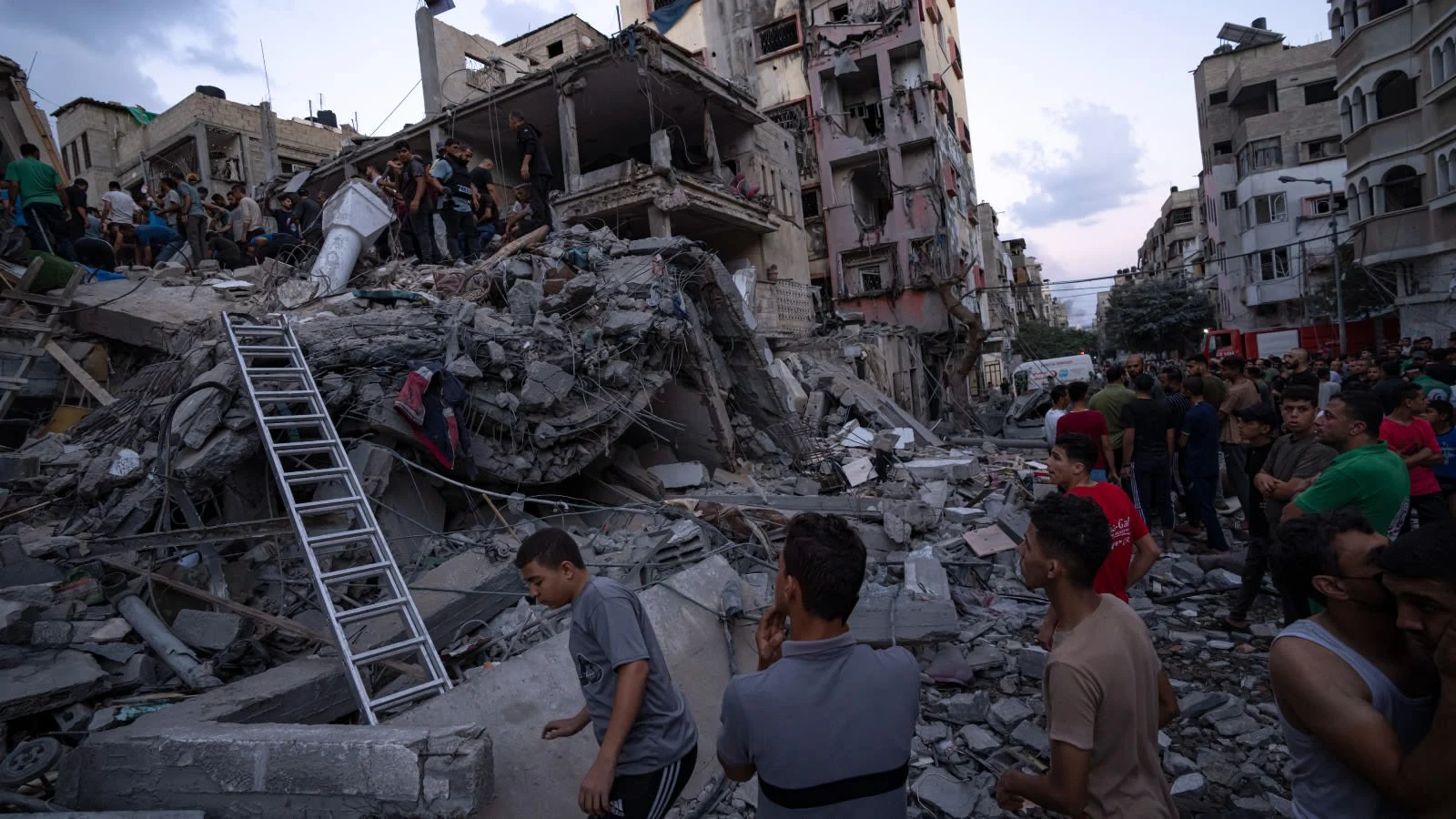
Finally, the region has a history of intermittent conflicts. These include battles in 2008, 2009, 2012, 2014, 2018, 2019, and 2021.
The roots of the tension go back to a UN partition plan, which Arabs rejected for its unequal division of resources.
Israeli officials are on high alert for possible escalation. They are particularly concerned about the involvement of other groups like Hezbollah.
Background Over 3,000 Dead in Week-Long Israel-Hamas Conflict
Adding to the historical context, the Israel-Palestine conflict traces back to the 20th century.
The UN partitioned Palestine into Arab and Jewish territories in 1947. However, the division was not accepted by Arab nations, leading to the First Arab-Israeli War in 1948.
Since then, the area has been a battleground for multiple conflicts, including the Six-Day War in 1967 and two Intifadas in 1987 and 2000.
In terms of analysis, the continuous state of conflict reveals deep-rooted animosities and political complexities.
Any lasting resolution seems to require comprehensive peace talks, which have been elusive.
The involvement of international organizations like the UN has been crucial but not decisive.
Until a sustainable peace plan is in place, sporadic conflicts like the current one may continue to erupt.
This article was produced by The Rio Times’ automated newsroom system. How we use AI · Report an error
Read More from The Rio Times