Oil Prices Near US$97 Split Latin America Between Sellers and Buyers
Latin America · Oil
Oil prices sit near a six-week high after fresh United States-Iran exchanges around the Strait of Hormuz. For Latin America the effect cuts both ways, and not where you might expect.
Key Facts
- What happened:Brent crude traded near US$97 a barrel on Monday, close to a six-week high.
- Why:Iran’s Revolutionary Guard said it targeted three tankers in the Strait of Hormuz on Saturday.
- The catch:Mexico is now a net oil importer, so a price spike costs it more than it earns.
- Who gains:Brazil, Colombia, Ecuador and Venezuela sell more crude than they buy.
- Who pays:Chile and most of Central America import nearly all the oil they burn.
- What comes next:Goldman Sachs sketches US$120 if attacks intensify and US$80 if exports normalise.
Oil prices traded near US$97 a barrel on Monday after fresh United States-Iran exchanges near the Strait of Hormuz. For Latin America the effect splits sharply between sellers and buyers.
Oil Prices Near a Six-Week High
Brent crude traded near US$97 a barrel on Monday, 7 September 2026. That is close to its highest level in six weeks.
The move followed a weekend of renewed exchanges between the United States and Iran. Traders are pricing the risk to shipping, not an actual loss of supply.
What Happened at Sea
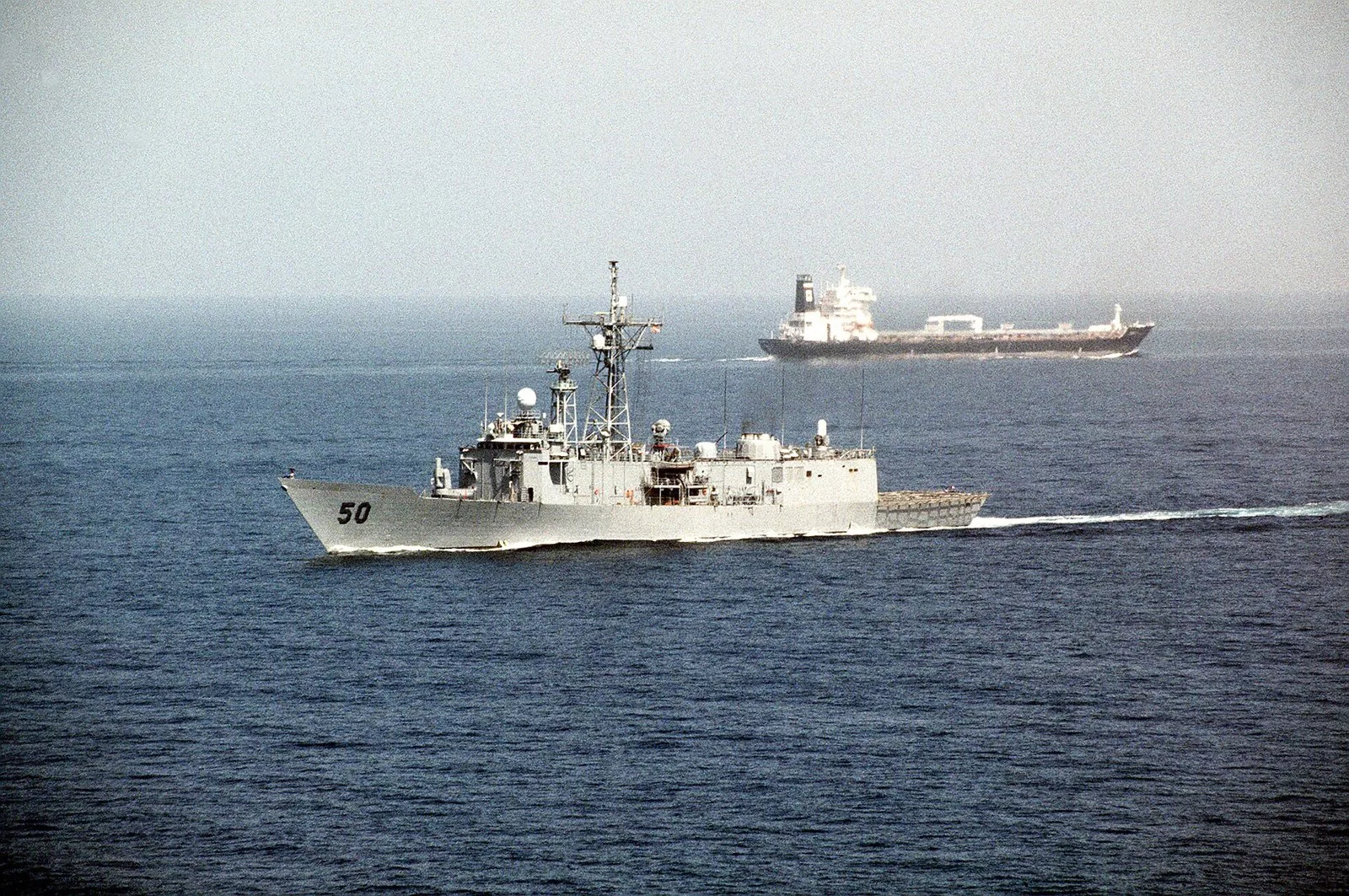
Iran’s Islamic Revolutionary Guard Corps said on Saturday 5 September that it targeted three oil tankers in the Strait of Hormuz. It said it also hit three United States-linked vessels elsewhere.
The United States struck Iranian targets on 1 September. US Central Command said those strikes answered attempted attacks on commercial shipping and on American service members.
Live Market IntelligenceCommodities — Live Market Board
Rio Times · Live Market Intelligence
Commodities — Live Market Board
-0.03%
| Instrument | Last | Change | YoY | Prev. | High | Low | Volume |
|---|---|---|---|---|---|---|---|
| GOLD | 4,461 | +1.78% | +33.20% | 4,383 | 4,503 | 4,421 | 139,824 |
| SILVER | 65.59 | +1.26% | +73.05% | 64.77 | 66.98 | 64.81 | 46,406 |
| BRENT | 88.88 | -0.03% | +34.42% | 88.91 | 90.07 | 88.12 | 29,713 |
| WTI | 83.11 | -0.11% | +31.57% | 83.20 | 84.35 | 82.40 | 166,848 |
| COPPER | 6.61 | +0.03% | +46.70% | 6.61 | 6.71 | 6.61 | 39,543 |
| LITHIUM | 75.20 | +1.47% | +62.95% | 74.11 | 75.80 | 75.08 | 89,275 |
| IRON ORE | 161.91 | — | +58.10% | 161.91 | 161.91 | 1 | |
| SOY | 1,184 | +3.20% | +17.05% | 1,148 | 1,199 | 1,168 | 163,179 |
| CORN | 480.50 | +10.02% | +29.34% | 436.75 | 480.75 | 459.50 | 341,248 |
| WHEAT | 655.00 | +3.93% | +29.70% | 630.25 | 657.75 | 631.50 | 128,793 |
| COFFEE | 317.25 | -5.51% | +0.67% | 335.75 | 321.20 | 313.55 | 21,747 |
| SUGAR | 16.43 | -1.79% | -3.01% | 16.73 | 17.11 | 16.22 | 171,992 |
| COCOA | 5,719 | +3.18% | -34.96% | 5,543 | 5,779 | 5,574 | 26,773 |
| ORANGE JUICE | 138.55 | -0.47% | -45.38% | 139.20 | 141.05 | 137.50 | 703 |
| COTTON | 85.03 | +2.33% | +26.78% | 83.09 | 82.90 | 81.96 | 16,546 |
| BEEF | 223.60 | -3.93% | -5.18% | 232.75 | 226.40 | 223.00 | 16,126 |
| CATTLE | 339.10 | -3.16% | -1.82% | 350.17 | 345.50 | 338.60 | 10,164 |
| USD/BRL | 5.16 | +0.01% | -5.13% | 5.16 | 5.18 | 5.14 | — |
Why the Strait of Hormuz Matters
The Strait of Hormuz is a narrow sea lane between Iran and Oman. In normal times it carries about a fifth of the world’s oil, according to the US Energy Information Administration.
That share is a peacetime baseline, not today’s reality. Ship-tracking data cited by Al Jazeera show traffic has fallen sharply since the conflict began.
What the Banks Are Saying
Goldman Sachs set out two scenarios rather than a forecast. Oil could reach US$120 a barrel if attacks on shipping intensify.
The bank’s other case is US$80 a barrel if exports from the region return to normal. Both are scenarios, and neither is a prediction.
Who Gains in Latin America
Brazil is the clearest winner. It has sold more crude than it buys since 2006, and oil became its largest export good in 2025.
Colombia, Ecuador and Venezuela are also net crude exporters. Every dollar on the barrel lifts what they earn abroad.
The Mexico Exception
Mexico looks like an oil country, and for decades it was one. It is now a net oil importer overall.
In the first five months of 2026, Pemex spent more on imported fuel than it earned selling crude, Mexico Business News reported. A price spike therefore raises Mexico’s import bill as fast as its income.
Who Pays
Chile imports almost all the oil it burns. Its own production covers only a small share of what the country consumes.
Most of Central America is in the same position. Higher crude means higher pump prices, and that feeds into inflation.
The Caribbean Is Not One Story
The Caribbean is often described as an oil-importing region. That is only half right.
Trinidad and Tobago has exported oil and gas for decades, and Guyana has become one of the hemisphere’s fastest-growing producers. Both gain from a higher price.
Brazil Was Shut
Brazil’s B3 exchange in São Paulo did not trade on Monday. The country was marking Independence Day.
That leaves the local reaction to Tuesday. Elsewhere in the region, Friday’s close was the last confirmed reading.
More: Brazil news, every day from The Rio Times.
Frequently Asked Questions
Why are oil prices rising?
Renewed United States-Iran exchanges around the Strait of Hormuz have raised the risk to shipping. Traders are pricing that risk into crude.
What is the Strait of Hormuz?
It is a narrow sea lane between Iran and Oman. In normal times about a fifth of the world’s oil passes through it.
Does a higher oil price help Mexico?
Not straightforwardly. Mexico is now a net oil importer overall, so a spike raises its fuel import bill as well as its crude income.
Which Latin American countries gain?
Brazil, Colombia, Ecuador and Venezuela sell more crude than they buy. Trinidad and Tobago and Guyana also gain.
Sources: Reuters; Energy Connects; US Energy Information Administration; Al Jazeera; Mexico Business News; Times of Israel.
This article was produced by The Rio Times’ automated newsroom system. How we use AI · Report an error · Editorial responsibility: Matthias Camenzind, Editor-in-Chief